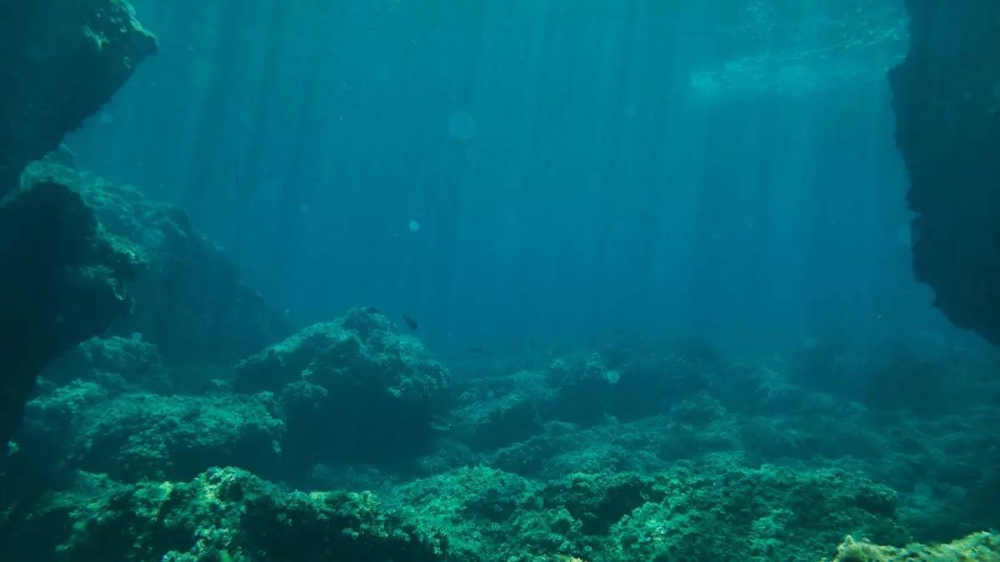
اكتشاف مهم توصل إليه العلماء تحت سطح البحر قبالة سواحل إندونيسيا، قد يعيد كتابة قصة أصول البشر.
إذ عُثر على جمجمة تعود للإنسان القديم، أحد أسلاف البشر، بعد أكثر من 140 ألف عام من دفنها، محفوظة تحت طبقات من الطمي والرمال في مضيق مادورا بين جزيرتَي جاوة ومادورا.
وأوضح الخبراء أن هذا الموقع قد يكون أول دليل مادي على وجود العالم المفقود «سندالاند»، وهي كتلة أرضية ما تعود إلى زمن ما قبل التاريخ كانت تربط بين أجزاء من جنوب شرقي آسيا على شكل سهل استوائي واسع، وفق صحيفة «ديلي ميل» البريطانية.
كما اكتشف الباحثون إضافة إلى عظام الجمجمة، 6 آلاف أحفورة لـ36 نوعاً من الحيوانات، بينها تنانين الكومودو، والجاموس، والغزلان، والفيَلَة. وتظهر على بعض هذه العظام علامات قطع متعمدة، ما يشير إلى أن البشر القدماء كانوا يستخدمون إستراتيجيات صيد متقدمة.
وتوفر هذه الاكتشافات لمحة نادرة عن حياة البشر القدماء والأراضي التي فُقدت لاحقاً تحت البحر، كاشفة عن سلوكياتهم وتكيفاتهم مع التغيرات البيئية.
وكانت هذه الحفريات قد اكتُشفت لأول مرة على أيدي عمال تعدين الرمال البحرية عام 2011، لكن لم يتم تأكيد عمرها ونوعها إلا أخيراً، ما يمثل نقطة تحول مهمة في علم الإنسان القديم، أو ما يُعرف بعلم الحفريات البشرية.
من جهته، قال عالم الآثار من جامعة ليدن في هولندا وقائد فريق البحث هارولد بيرغويس إن «هذه الفترة تميزت بتنوع كبير في أشكال الإنسان القديم وحركته في هذه المنطقة».
وبين عامَي 14000 و7000 قبل الميلاد، أدى ذوبان الأنهار الجليدية إلى ارتفاع مستوى سطح البحر بأكثر من 120 متراً، ما غمر الأراضي المنخفضة لـ«سندالاند» تحت مياه البحر، فيما بدأت قصة الاكتشاف خلال عمليات تعدين الرمال البحرية في مضيق مادورا، حيث جرف الحَفْر بقايا متحجرة من قاع البحر.
A significant discovery made by scientists beneath the sea off the coast of Indonesia may rewrite the story of human origins.
A skull belonging to an ancient human, one of the ancestors of modern humans, was found after being buried for more than 140,000 years, preserved under layers of silt and sand in the Madura Strait between the islands of Java and Madura.
Experts explained that this site may be the first physical evidence of the lost world of "Sundaland," a landmass that dates back to prehistoric times, which connected parts of Southeast Asia in the form of a vast tropical plain, according to the British newspaper "Daily Mail."
In addition to the skull bones, researchers discovered 6,000 fossils of 36 species of animals, including Komodo dragons, buffalo, deer, and elephants. Some of these bones show signs of deliberate cuts, indicating that ancient humans were using advanced hunting strategies.
These discoveries provide a rare glimpse into the lives of ancient humans and the lands that were later submerged under the sea, revealing their behaviors and adaptations to environmental changes.
These fossils were first discovered by marine sand mining workers in 2011, but their age and type were only confirmed recently, marking an important turning point in the study of ancient humans, or what is known as paleoanthropology.
For his part, archaeologist Harold Bergougnoux from Leiden University in the Netherlands and leader of the research team stated, "This period was characterized by a great diversity in forms of ancient humans and their movement in this region."
Between 14,000 and 7,000 BC, the melting of glaciers led to a rise in sea levels of more than 120 meters, submerging the low-lying lands of "Sundaland" under seawater, while the story of the discovery began during marine sand mining operations in the Madura Strait, where the excavation unearthed fossilized remains from the seabed.