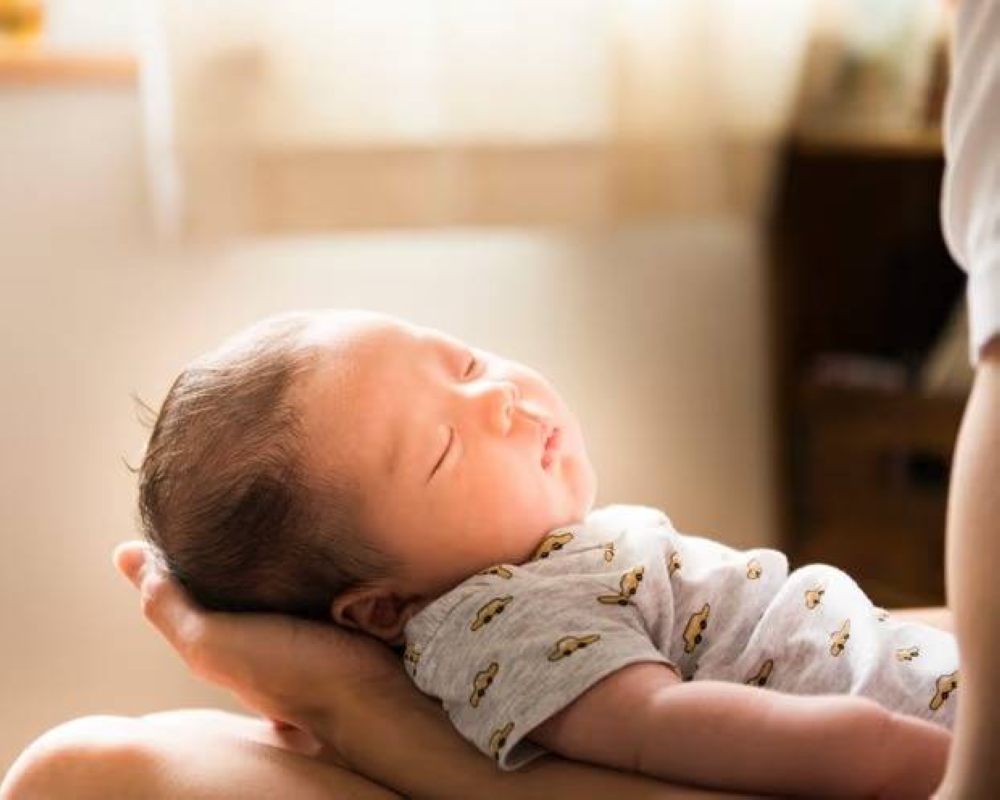
أعلنت اليابان، قواعد جديدة تحد من حرية الآباء في اختيار أسماء أبنائهم، حيث ستُلزم السلطات الآن بتسجيل النطق الصوتي للأسماء المكتوبة بأحرف الكانجي.
ووفقا لصحيفة «الجارديان»، تأتي هذه الخطوة للحد من انتشار الأسماء الغريبة أو اللامعة (كيراکيرا)، التي باتت شائعة بين الآباء الراغبين في إضفاء لمسة إبداعية على أسماء أطفالهم، مما تسبب في إرباك إداري وانتقادات اجتماعية.
وفقًا للتعديلات على قانون السجل العائلي، يُطلب من الآباء الآن توضيح النطق الصوتي لأسماء أطفالهم عند التسجيل، مع الالتزام بالنطق الرسمي المعتمد لأحرف الكانجي.
الهدف هو تقليل الالتباس الذي تُسببه الأسماء غير التقليدية في المدارس والمستشفيات والخدمات العامة، إلى جانب تسهيل عمليات الرقمنة الإدارية.
وبرزت ظاهرة الأسماء الغريبة منذ التسعينيات، حيث اختار بعض الآباء أسماء مستوحاة من شخصيات شهيرة أو علامات تجارية، مثل بيكاتشو (من بوكيمون)، نايكي، ديا (الماس)، بو (ويني الدب)، أو كيتي (كيتي تشان)، كما أثارت أسماء مثل أوجيساما (الأمير) وأكوما (الشيطان) جدلًا واسعًا.
ومن الأمثلة البارزة، الرياضية الأولمبية السابقة سيكو هاشيموتو، التي أسمت أبناءها جيريشيا (اليونان) وتورينو (تورين) تيمّنًا بأماكن استضافة الأولمبياد.
ويدافع بعض الآباء عن اختياراتهم، معتبرين أنها تعبير عن التميز الفردي في مجتمع يهيمن عليه الضغط للامتثال.
ومع ذلك، يشتكي المسؤولون من صعوبة نطق العديد من هذه الأسماء، خصوصا تلك التي تبتعد عن النطق التقليدي لأحرف الكانجي.
الآن، سيُطلب من الآباء الذين يختارون نطقًا غير معتاد تقديم توضيح كتابي، وقد يُطلب منهم اختيار اسم بديل إذا لزم الأمر.
وتُعد هذه التعديلات تغييرًا نادرًا في السجل العائلي الياباني (كوسيكي)، وهو وثيقة قانونية تسجل أسماء وتواريخ ميلاد أفراد الأسرة.
وتشير التقارير إلى أن السلطات سترفض فقط الحالات الأكثر تطرفًا، لكن هذه الخطوة تُظهر حرص الحكومة على تنظيم الأسماء بشكل أكثر وضوحًا.
Japan has announced new rules that limit parents' freedom in choosing their children's names, as authorities will now be required to register the phonetic pronunciation of names written in kanji characters.
According to the Guardian newspaper, this move comes to curb the spread of unusual or flashy names (kirakira), which have become common among parents looking to add a creative touch to their children's names, causing administrative confusion and social criticism.
Under the amendments to the family registry law, parents are now required to clarify the phonetic pronunciation of their children's names at registration, adhering to the officially recognized pronunciation of kanji characters.
The goal is to reduce the confusion caused by unconventional names in schools, hospitals, and public services, as well as to facilitate administrative digitization processes.
The phenomenon of unusual names has emerged since the 1990s, with some parents choosing names inspired by famous characters or brands, such as Pikachu (from Pokémon), Nike, Dia (diamond), Pooh (Winnie the Pooh), or Kitty (Kitty Chan). Names like Ojisama (prince) and Akuma (devil) have also sparked widespread controversy.
Notable examples include former Olympic athlete Seiko Hashimoto, who named her children Gerishia (Greece) and Torino (Turin) after the cities that hosted the Olympics.
Some parents defend their choices, considering them an expression of individual distinction in a society dominated by pressure to conform.
However, officials complain about the difficulty of pronouncing many of these names, especially those that stray from the traditional pronunciation of kanji characters.
Now, parents who choose an unusual pronunciation will be required to provide written clarification, and they may be asked to select an alternative name if necessary.
These amendments represent a rare change in the Japanese family registry (koseki), which is a legal document that records the names and birth dates of family members.
Reports indicate that authorities will only reject the most extreme cases, but this step shows the government's commitment to regulating names more clearly.