عثرت بعثة أثرية مصرية على كنز تاريخي جديد بمنطقة منقباد الأثرية في محافظة أسيوط، يعود إلى حقبة القرنين السادس والسابع الميلاديين. وكشفت أعمال الحفائر مبنى أثرياً من الطوب اللبن، مزيناً بجداريات ملونة تُعد من أبرز الاكتشافات في تاريخ الفن القبطي.
هذا الكشف، الذي أُعلن عنه اليوم 25 مايو 2025، يسلط الضوء على التراث الروحي والفني العميق للمجتمع القبطي في مصر القديمة.
تفاصيل الكشف الأثري
أعلنت وزارة السياحة والآثار نجاح البعثة المصرية، العاملة تحت إشراف المجلس الأعلى للآثار، في الكشف عن مبنى مطلي بطبقة من «الملاط» الأبيض، يتكون من مستويين معماريين، عثر بداخله على جداريات تحمل دلالات رمزية عميقة، منها جدارية تُصور عيوناً متكررة تحيط بوجه مركزي، رمزاً للبصيرة الروحية والحكمة في التقاليد القبطية، وجدارية أخرى تُظهر، بحسب التفسيرات الأولية، يوسف النجار يحمل السيد المسيح، محاطاً بتلاميذ وكتابات قبطية تعكس الطابع الديني للموقع.
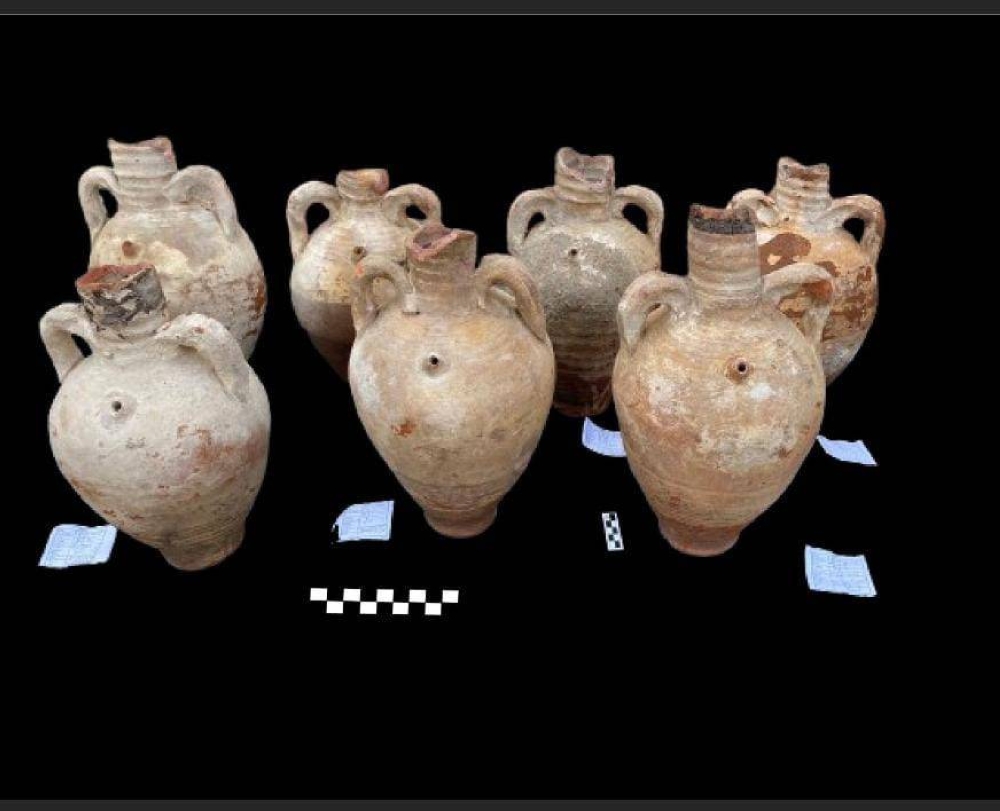
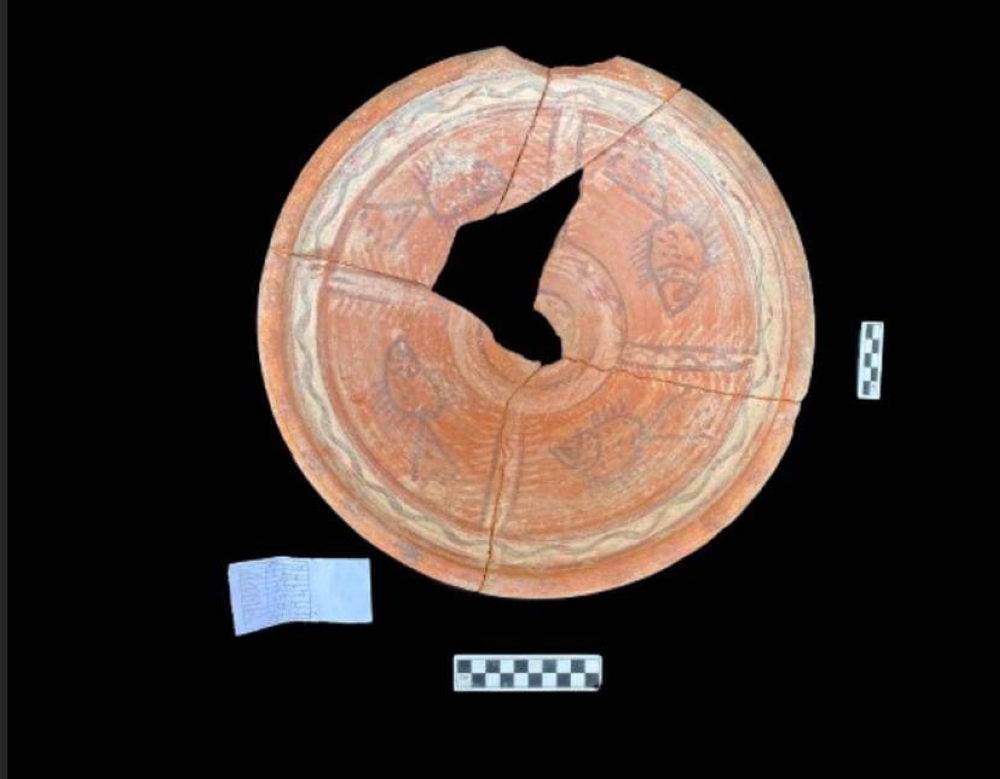
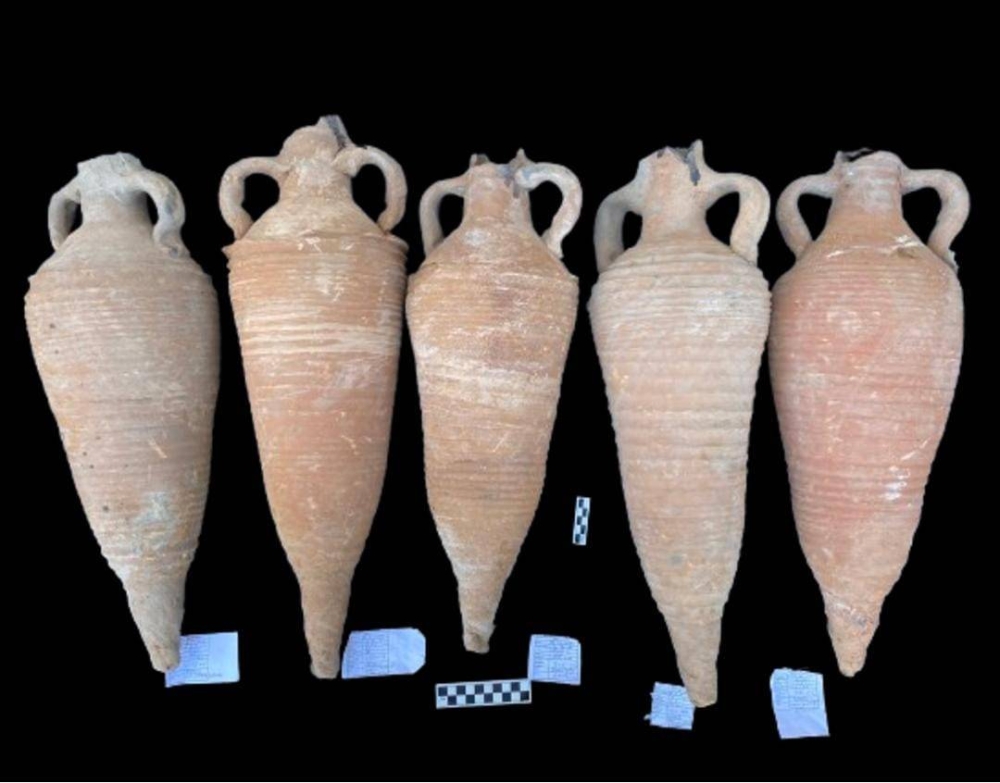
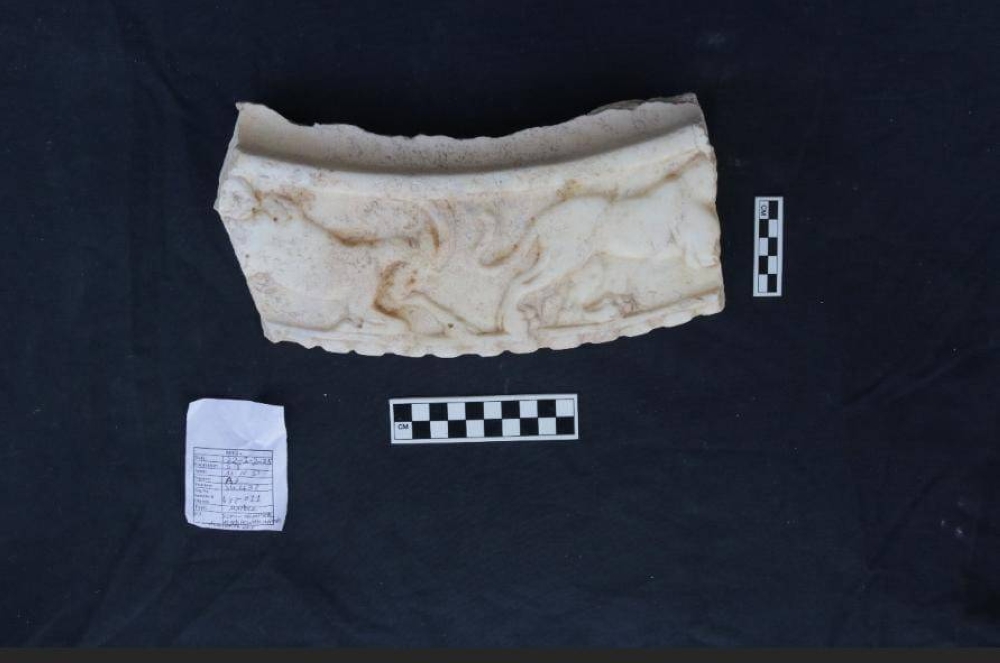
ويتكون المبنى الذي اكتشفته البعثة الأثرية من 3 صالات متوازية في المستوى الأول، تليها غرفتان وسلّم يؤدي إلى المستوى السفلي الذي يضم 3 قلايات وغرفتين للمعيشة. وبين اللقى الأثرية، تم العثور على شاهد قبر لقديس قبطي مكتوب عليه اسمه وتاريخ وفاته، إلى جانب أنفورات فخارية تحمل حروفاً قبطية، وإفريز حجري مزخرف بتصاميم حيوانية لأسد وغزال، ما يعكس براعة الفن القبطي في تلك الفترة.
وتعد منطقة منقباد، التي تبعد 12 كيلومتراً شمال غرب مدينة أسيوط، من المواقع الأثرية المهمة في صعيد مصر. وبدأت أعمال الحفائر فيها عام 1965، مع استمرار العمل بشكل متقطع حتى عام 2010، ثم عادت البعثات المصرية للعمل في 2024، ما أسفر عن هذا الاكتشاف المذهل.
يُعتقد أن المبنى المكتشف قد يكون ديراً أو كنيسة قبطية، نظراً إلى الرموز الدينية والجداريات التي تحمل طابعاً روحياً واضحاً. الفن القبطي، الذي ازدهر في مصر بين القرنين الرابع والثامن الميلاديين، يُعد مزيجاً فريداً من التأثيرات الرومانية والبيزنطية والمصرية القديمة، وهو ما يظهر بوضوح في هذه الجداريات التي تجمع بين الرمزية الدينية والإبداع الفني.
ويُبرز الاكتشاف الجديد أهمية منطقة منقباد كمركز ديني وثقافي خلال العصر القبطي، حيث إن الجداريات المكتشفة ليست مجرد أعمال فنية، بل وثائق تاريخية تكشف المعتقدات الروحية والحياة اليومية للمجتمع القبطي.
ووفقاً للأمين العام للمجلس الأعلى للآثار الدكتور محمد إسماعيل فإن هذه الجداريات تحمل دلالات عميقة حول البصيرة الروحية واليقظة، ما يعكس فلسفة المجتمع القبطي في تلك الفترة.
من جانبه، أكد الدكتور جمال مصطفى أن استمرار أعمال الحفائر سيوفر المزيد من المعلومات حول وظيفة المبنى ودوره في الحياة الدينية والاجتماعية.
وأكدت البعثة الأثرية المصرية استمرارها في أعمال الحفائر ودراسة الجداريات واللقى الأثرية لفهم المزيد عن أسرار هذا المبنى، ويأمل العلماء أن تكشف الأعمال المستقبلية تفاصيل إضافية حول وظيفة الموقع، سواء كان ديراً، أو كنيسة، أو مركزاً دينياً آخر، كما يُعزز هذا الاكتشاف مكانة مصر كوجهة رئيسية لعشاق التاريخ والآثار، ويُبرز جهود وزارة السياحة والآثار في الحفاظ على التراث الثقافي.
An Egyptian archaeological mission has discovered a new historical treasure in the archaeological area of Minqabād in Asyut Governorate, dating back to the 6th and 7th centuries AD. Excavation work revealed an ancient building made of mud bricks, adorned with colorful murals that are among the most significant discoveries in the history of Coptic art.
This discovery, announced today, May 25, 2025, highlights the deep spiritual and artistic heritage of the Coptic community in ancient Egypt.
Details of the Archaeological Discovery
The Ministry of Tourism and Antiquities announced the success of the Egyptian mission, working under the supervision of the Supreme Council of Antiquities, in uncovering a building coated with a layer of white "mortar," consisting of two architectural levels. Inside, murals were found bearing deep symbolic meanings, including a mural depicting repeated eyes surrounding a central face, symbolizing spiritual insight and wisdom in Coptic traditions, and another mural showing, according to initial interpretations, Joseph the carpenter carrying Christ, surrounded by disciples and Coptic writings reflecting the religious character of the site.
The building discovered by the archaeological mission consists of three parallel halls on the first level, followed by two rooms and a staircase leading to the lower level, which includes three cells and two living rooms. Among the archaeological finds, a tombstone for a Coptic saint was found, inscribed with his name and date of death, alongside pottery fragments bearing Coptic letters, and a stone frieze decorated with animal designs of a lion and a gazelle, reflecting the artistry of Coptic art during that period.
The Minqabād area, located 12 kilometers northwest of Asyut city, is one of the important archaeological sites in Upper Egypt. Excavation work began there in 1965, continuing intermittently until 2010, and then Egyptian missions returned to work in 2024, resulting in this amazing discovery.
It is believed that the discovered building may have been a Coptic monastery or church, due to the religious symbols and murals that carry a clear spiritual character. Coptic art, which flourished in Egypt between the 4th and 8th centuries AD, is considered a unique blend of Roman, Byzantine, and ancient Egyptian influences, which is clearly evident in these murals that combine religious symbolism with artistic creativity.
The new discovery highlights the importance of the Minqabād area as a religious and cultural center during the Coptic era, as the discovered murals are not just works of art but historical documents revealing the spiritual beliefs and daily life of the Coptic community.
According to Dr. Mohamed Ismail, the Secretary-General of the Supreme Council of Antiquities, these murals carry deep meanings about spiritual insight and awareness, reflecting the philosophy of the Coptic community during that period.
For his part, Dr. Jamal Mustafa confirmed that the continuation of excavation work will provide more information about the building's function and its role in religious and social life.
The Egyptian archaeological mission confirmed its ongoing excavation work and study of the murals and archaeological finds to understand more about the secrets of this building. Scientists hope that future work will reveal additional details about the function of the site, whether it was a monastery, a church, or another religious center. This discovery also enhances Egypt's status as a major destination for history and archaeology enthusiasts and highlights the efforts of the Ministry of Tourism and Antiquities in preserving cultural heritage.