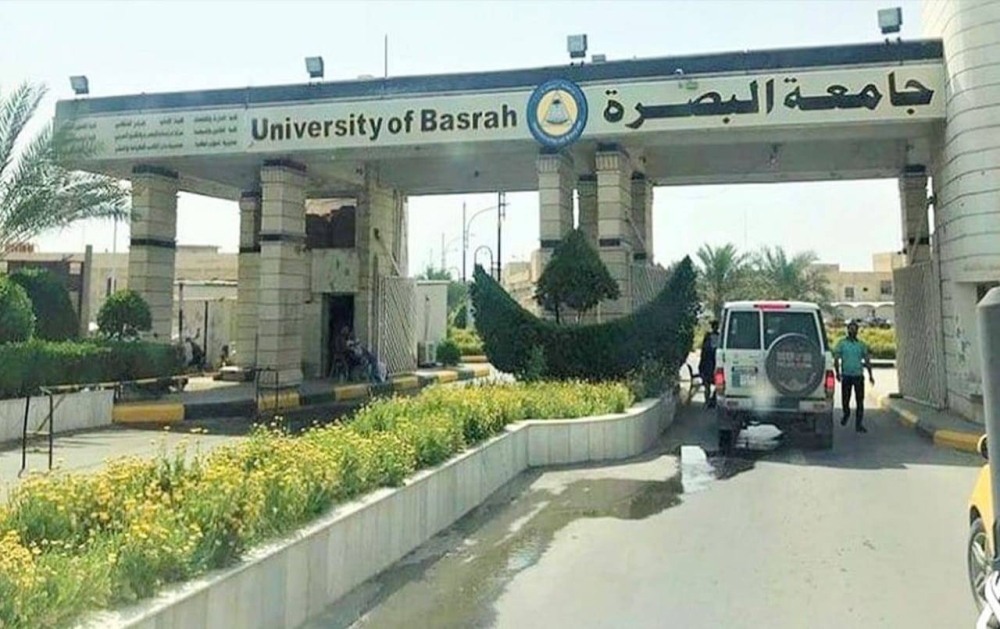
قررت جامعة عراقية فصل ثلاثة طلاب من كلية الهندسة بقسم الهندسة الكهربائية بعد أن نشر الطلاب تعليقات على تطبيق «إنستغرام» انتقدوا فيها الأداء الأكاديمي والإداري لقسمهم.
وتزامن قرار كلية الهندسة بجامعة البصرة العراقية مع فترة الامتحانات النهائية، مما زاد من حدة الجدل حول توقيت القرار ودوافعه، ليثير موجة جدل واسعة في الأوساط الطلابية والحقوقية.
ووفقاً لمنشورات متداولة على منصة «إكس» تم استدعاء الطلاب الثلاثة من قبل إدارة كلية الهندسة بعد رصد تعليقاتهم على صفحة القسم على «إنستغرام»، حيث تضمنت التعليقات انتقادات لجودة التدريس، نقص الموارد الأكاديمية، وسوء الإدارة في تنظيم العملية التعليمية.
وبحسب مصادر إعلامية عراقية، اعتبرت إدارة الكلية أن هذه التعليقات تمثل «إساءة لسمعة القسم»، مما دفعها إلى اتخاذ قرار الفصل النهائي، مستندة إلى لوائح تأديبية تتعلق بسلوك الطلاب، وأشارت تقارير إلى أن الطلاب المفصولين يخططون لتقديم تظلمات رسمية إلى رئاسة الجامعة، مع طلب تدخل وزارة التعليم العالي والبحث العلمي لمراجعة القرار.
وأثار القرار موجة من الغضب بين الطلاب، الذين نظموا وقفات احتجاجية صغيرة داخل الحرم الجامعي، مطالبين بإلغاء القرار وفتح تحقيق شفاف في القضية، كما تداول ناشطون على «إكس» وجهات نظر متباينة، حيث رأى البعض أن القرار ينتهك حرية التعبير، بينما اعتبر آخرون أن الطلاب تجاوزوا حدود النقد المقبول.
وتأسست جامعة البصرة عام 1964، وهي واحدة من أعرق الجامعات العراقية، تضم 21 كلية و11 مركزاً بحثياً، وتعد منارة علمية في جنوب العراق، ومع ذلك، شهدت الجامعة في السنوات الأخيرة عدة أزمات، منها قضايا تتعلق بالإدارة الأكاديمية وسوء تخصيص الموارد، مما أدى إلى احتجاجات طلابية سابقة.
لم تصدر جامعة البصرة بياناً رسمياً يوضح تفاصيل الواقعة، لكن مصادر من داخل الكلية أكدت لوسائل إعلام عراقية أن القرار تم اتخاذه بعد اجتماع للجنة تأديبية، استناداً إلى لائحة العقوبات التي تمنح إدارة الكلية صلاحية فصل الطلاب في حالات «الإخلال بالنظام العام أو الإساءة لسمعة المؤسسة».
An Iraqi university decided to expel three students from the College of Engineering in the Electrical Engineering Department after the students posted comments on the Instagram app criticizing the academic and administrative performance of their department.
The decision by the College of Engineering at the University of Basra coincided with the final exam period, which intensified the controversy surrounding the timing of the decision and its motives, sparking a wide wave of debate in student and human rights circles.
According to circulating posts on the "X" platform, the three students were summoned by the College of Engineering administration after their comments were spotted on the department's Instagram page, where the comments included criticisms of the quality of teaching, lack of academic resources, and poor management in organizing the educational process.
According to Iraqi media sources, the college administration considered these comments to represent "a harm to the department's reputation," which led them to make the final expulsion decision, relying on disciplinary regulations related to student behavior. Reports indicated that the expelled students plan to file official grievances to the university presidency, requesting the intervention of the Ministry of Higher Education and Scientific Research to review the decision.
The decision sparked a wave of anger among students, who organized small protests within the university campus, demanding the cancellation of the decision and a transparent investigation into the matter. Activists on "X" shared varying viewpoints, with some seeing the decision as a violation of freedom of expression, while others considered that the students had crossed the boundaries of acceptable criticism.
The University of Basra was established in 1964 and is one of the oldest Iraqi universities, comprising 21 colleges and 11 research centers, and is considered a scientific beacon in southern Iraq. However, the university has witnessed several crises in recent years, including issues related to academic administration and poor allocation of resources, leading to previous student protests.
The University of Basra has not issued an official statement clarifying the details of the incident, but sources within the college confirmed to Iraqi media that the decision was made after a meeting of a disciplinary committee, based on the list of penalties that grants the college administration the authority to expel students in cases of "disruption of public order or harm to the institution's reputation."