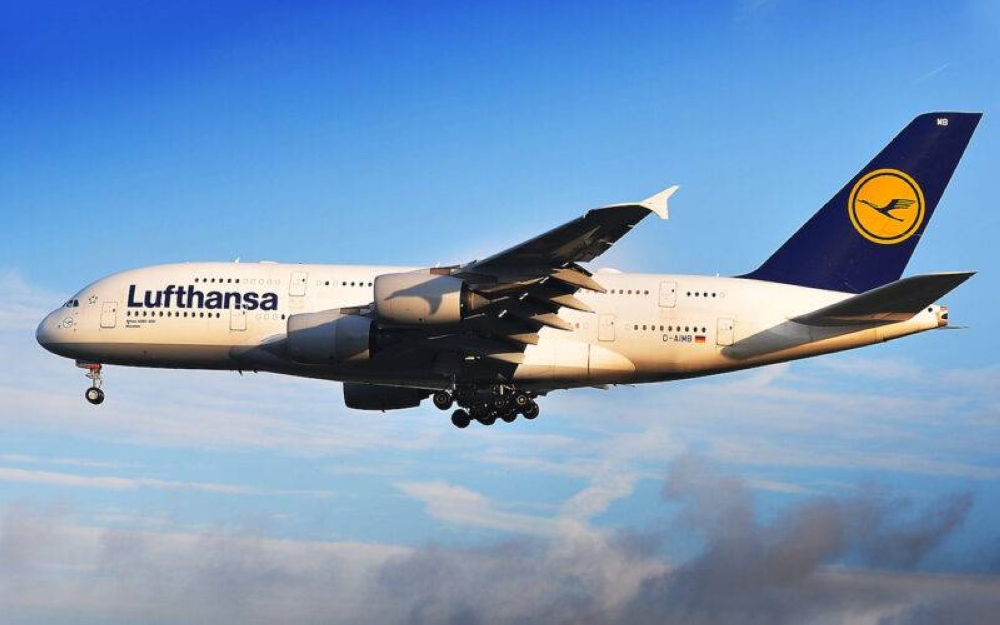
في حادثة أثارت الذعر وأعادت فتح النقاش حول إجراءات السلامة في الطيران، كشف تقرير صادر عن لجنة التحقيق في الحوادث ووقائع الطيران المدني واقعة خطيرة تعرضت لها طائرة تابعة لشركة «لوفتهانزا» الألمانية في فبراير الماضي، من طراز إيرباص A321، كانت تقل نحو 200 راكب في رحلة من فرانكفورت بألمانيا إلى إشبيلية بإسبانيا، عندما حلّقت لمدة 10 دقائق دون أي طيار في قمرة القيادة، مما أثار حالة من الجدل ودفع السلطات الإسبانية إلى فتح تحقيق عاجل.
ووفقاً للتقرير الذي أصدرته هيئة تنظيم الطيران الإسبانية، بدأت الواقعة عندما غادر قائد الطائرة، وهو طيار يبلغ من العمر 43 عاماً، قمرة القيادة قبل نحو 30 دقيقة من الهبوط لقضاء حاجته، تاركاً مساعد الطيار، البالغ من العمر 38 عاماً، لتولي القيادة، لكن المساعد، الذي كان في حالة صحية غير مستقرة، فقد وعيه فجأة، تاركاً الطائرة دون تحكم مباشر.
ووصفت التقارير حالة مساعد الطيار بأنه كان «شاحباً، يتصبب عرقاً، ويظهر حركات غير طبيعية»، مما دفع القائد إلى استدعاء مضيفة جوية للمساعدة، وتفاقمت الأزمة عندما واجه القائد صعوبة في العودة إلى قمرة القيادة بسبب انسداد الباب، وحاول إدخال رمز الدخول الأمني خمس مرات دون جدوى، بينما كان أحد أفراد الطاقم يحاول التواصل مع مساعد الطيار عبر جهاز الاتصال الداخلي.
وخلال هذه اللحظات الحرجة، سجل مسجل قمرة القيادة أصواتاً غريبة تشير إلى حالة طوارئ صحية خطيرة، وبعد جهود مضنية، استخدم القائد رمز الوصول للطوارئ، وتمكن مساعد الطيار من استعادة وعيه جزئياً لفتح الباب في اللحظات الأخيرة.
وفي مواجهة هذا الوضع الخطير، طلب القائد مساعدة طبية فورية، وقام طبيب كان ضمن الركاب، بمساعدة الطاقم، بتقديم الإسعافات الأولية لمساعد الطيار، وبقرار سريع، حوّل القائد مسار الطائرة إلى مطار مدريد، حيث تم نقل المساعد إلى المستشفى لتلقي العلاج.
وخلص التحقيق إلى أن السبب الرئيسي للواقعة هو «عجز مفاجئ وشديد» أصاب مساعد الطيار نتيجة اضطراب نوبات ناجم عن حالة عصبية، وأشار المحققون إلى أن هذه الحالة كانت «صعبة الكشف»، إذ لا يمكن تحديدها إلا إذا ظهرت أعراضها أثناء الفحوصات الطبية أو في وقت سابق، وأثارت الواقعة تساؤلات حول فعالية الفحوصات الطبية الروتينية للطيارين، داعية إلى مراجعة إجراءات السلامة في شركات الطيران الكبرى.
وأصدرت «لوفتهانزا» بياناً أكدت فيه تعاونها الكامل مع التحقيق، مشددة على أن سلامة الركاب والطاقم هي أولويتها القصوى، وفيما يتعلق بمساعد الطيار، أكدت مصادر أنه يخضع حالياً لمتابعة طبية مكثفة، مع تعليق مؤقت عن العمل حتى التأكد من استقرار حالته الصحية.
In an incident that caused panic and reopened the discussion about safety procedures in aviation, a report issued by the Accident Investigation Committee revealed a serious incident involving a Lufthansa aircraft in February. The Airbus A321, which was carrying about 200 passengers on a flight from Frankfurt, Germany, to Seville, Spain, flew for 10 minutes without any pilot in the cockpit, sparking controversy and prompting Spanish authorities to launch an urgent investigation.
According to the report released by the Spanish Aviation Authority, the incident began when the aircraft's captain, a 43-year-old pilot, left the cockpit about 30 minutes before landing to attend to a personal matter, leaving the 38-year-old co-pilot in charge. However, the co-pilot, who was in an unstable health condition, suddenly lost consciousness, leaving the aircraft without direct control.
Reports described the co-pilot's condition as "pale, sweating, and exhibiting abnormal movements," prompting the captain to call for a flight attendant to assist. The crisis escalated when the captain faced difficulty returning to the cockpit due to a blocked door, and he attempted to enter the security code five times unsuccessfully, while a crew member tried to communicate with the co-pilot via the intercom.
During these critical moments, the cockpit recorder captured strange sounds indicating a serious health emergency. After strenuous efforts, the captain used the emergency access code, and the co-pilot was able to partially regain consciousness to open the door at the last moment.
In light of this dangerous situation, the captain requested immediate medical assistance, and a doctor among the passengers helped the crew provide first aid to the co-pilot. In a swift decision, the captain diverted the aircraft to Madrid Airport, where the co-pilot was taken to the hospital for treatment.
The investigation concluded that the primary cause of the incident was a "sudden and severe incapacitation" experienced by the co-pilot due to a seizure disorder stemming from a neurological condition. Investigators noted that this condition was "difficult to detect," as it could only be identified if symptoms appeared during medical examinations or earlier. The incident raised questions about the effectiveness of routine medical examinations for pilots, calling for a review of safety procedures in major airlines.
Lufthansa issued a statement confirming its full cooperation with the investigation, emphasizing that the safety of passengers and crew is its top priority. Regarding the co-pilot, sources confirmed that he is currently undergoing intensive medical follow-up, with a temporary work suspension until his health condition stabilizes.