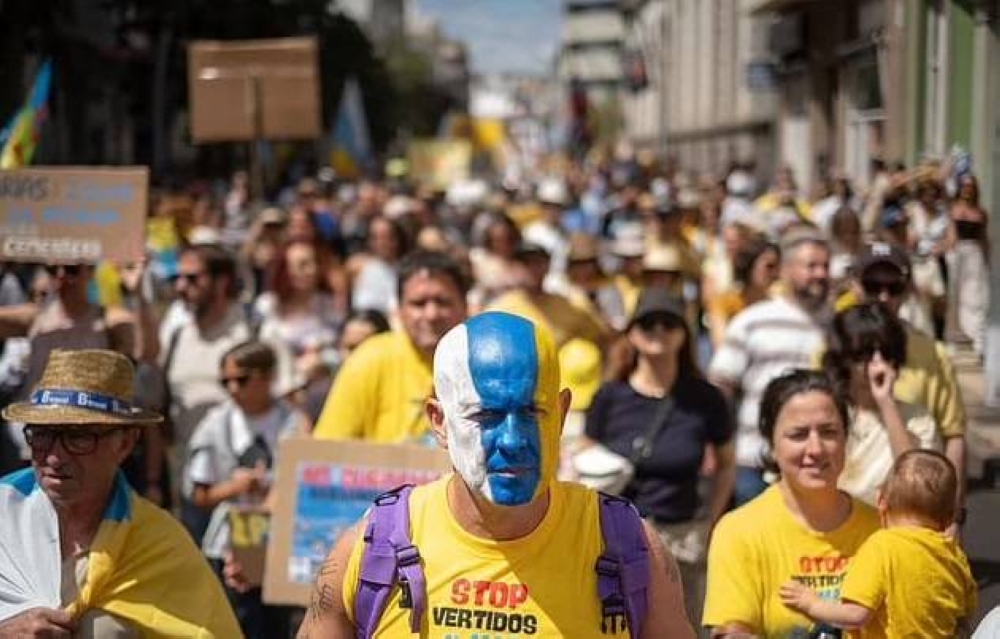
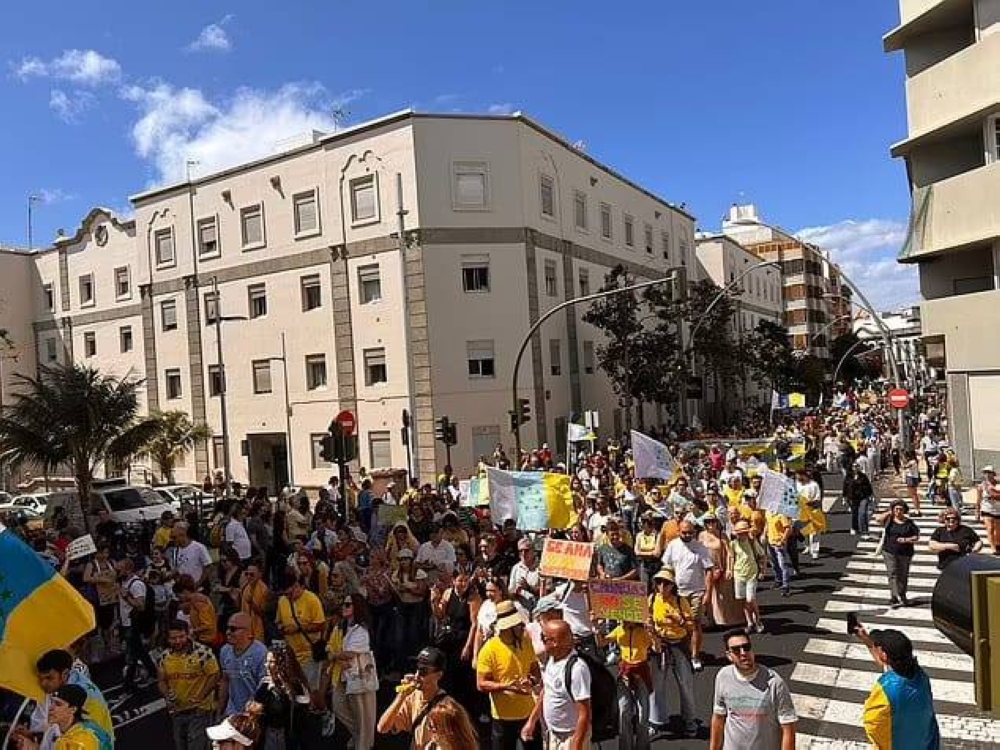
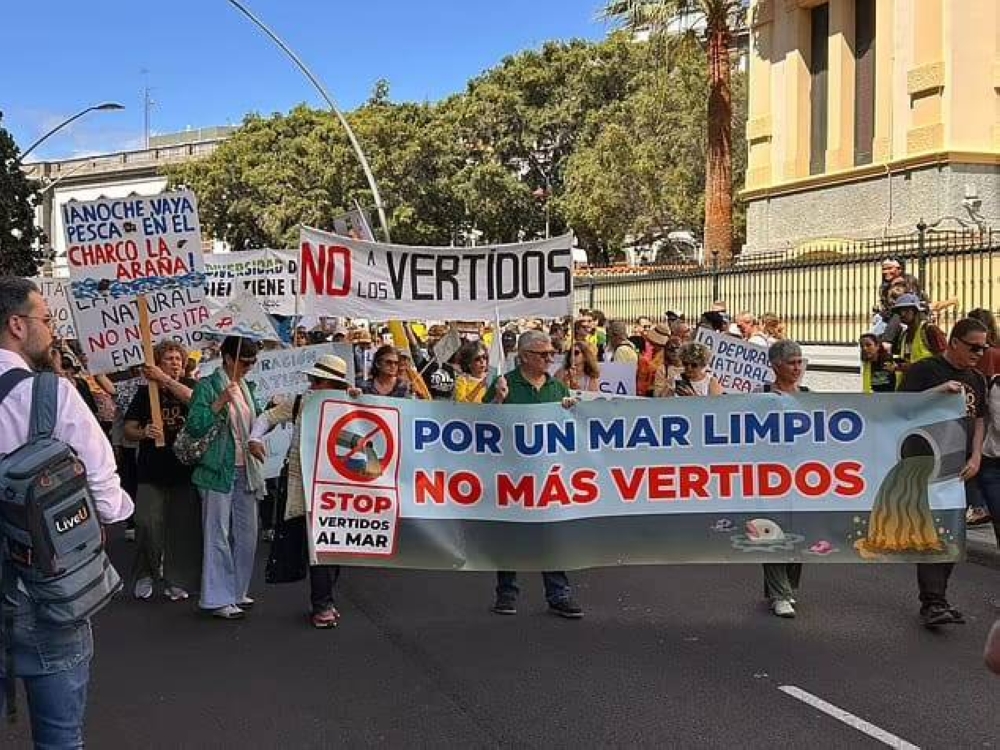
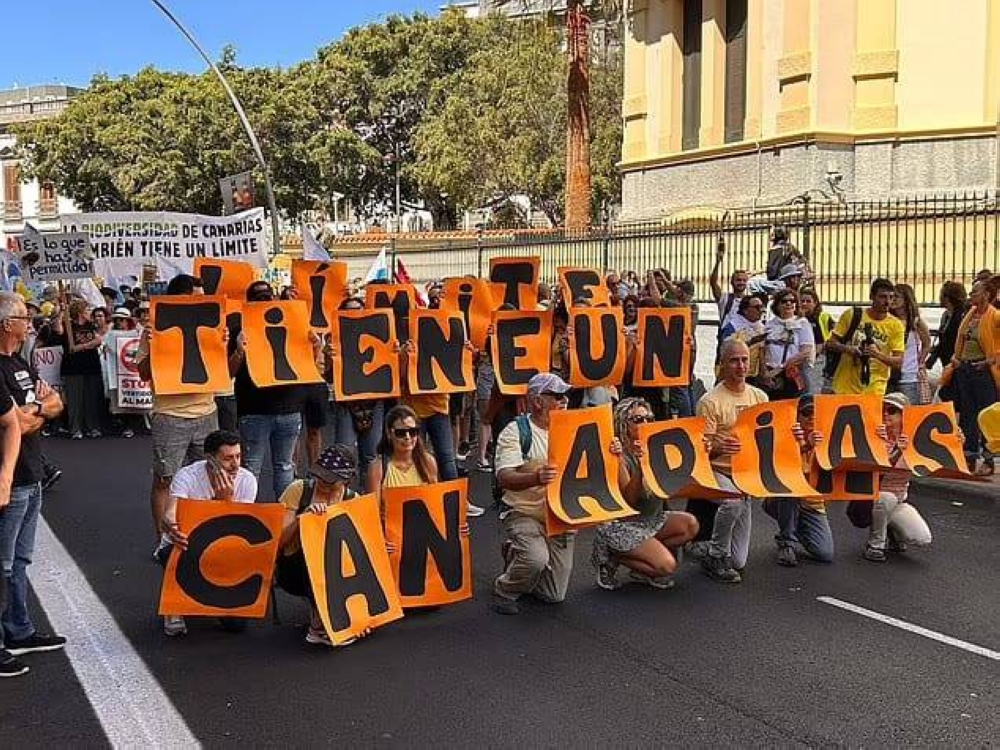
شهدت جزر الكناري، الوجهة السياحية الشهيرة، موجة احتجاجات واسعة شارك فيها آلاف السكان المحليين الغاضبين، احتجاجاً على ما وصفوه بـ«السياحة المفرطة» التي تُرهق موارد الجزر وتُهدد جودة حياتهم.
وفقاً لموقع «mail online» بدأت المظاهرات صباح الأحد في عدة جزر، بما في ذلك تينيريفي، التي تستقطب سنوياً ملايين السياح، خاصة من بريطانيا.
وخرج السكان إلى الشوارع حاملين لافتات تحمل شعارات مثل: أين تذهب أموال السياحة؟ وتوقفوا عن السياحة المفرطة.. هذا بيتنا، فيما ترددت هتافات تندد بتلوث مياه الصرف الصحي الناتج عن الفنادق، حيث قالت إحدى اللافتات: «السياح يسبحون في المجاري».
كما استخدم المتظاهرون أصدافاً بحرية كبيرة لإصدار أصوات بوق عالية، إلى جانب الطبول، للتعبير عن غضبهم. وأثارت المظاهرات حالة من القلق بين السياح، حيث فضل العديد منهم البقاء داخل فنادقهم أو شققهم المستأجرة.
وقال ألبرتو بابو، سائح إيرلندي يبلغ من العمر 32 عاماً، لصحيفة mail online: لم أغادر شقتي اليوم خوفاً من الحشود، أسمع أصوات الاحتجاجات فقط وأتمنى ألا تتحول إلى عنف.
وتطالب حركة «الكناري لها حدود»، التي تقود الاحتجاجات، بوضع حد أقصى لأعداد السياح، وفرض ضريبة بيئية كبيرة للحفاظ على الموارد الطبيعية، وحظر بناء فنادق جديدة أو مجمعات سياحية، كما يطالبون بهدم المشاريع غير القانونية التي تُسبب أضراراً بيئية.
ومن القضايا الرئيسية التي أثارت غضب السكان ارتفاع أسعار الإيجارات بسبب انتشار منصات التأجير قصير الأمد، ما جعل السكن شبه مستحيل للسكان المحليين. كما يطالبون بتقييد شراء الأجانب للعقارات، التي تُسهم في ارتفاع الأسعار.
وقالت باولا ماكنايت موراليس، مدربة سباحة تبلغ 39 عاماً ونشأت في الجزر: «تينيريفي تستقبل سياحاً أكثر من البرازيل، لم يعد لدينا متسع، لا نعارض السياح الأفراد، لكننا ضد من يلوثون ويخالفون القوانين، شواطئنا ملوثة بمياه الصرف، وحتى دورات المياه العامة مغلقة».
من جانبها، رفضت حركة «الكناري لها حدود» عرض الحكومة المحلية للحوار، وكتبت على منصات التواصل: لا نريد حواراً، نريد أفعالاً، ما يحدث هو بداية انتفاضة اجتماعية تطالب بنموذج عادل للجزر، بعيداً عن الفساد وأصحاب النفوذ.
وأعلن سانتياغو سيزي، رئيس غرفة تجارة الكناري، عن انخفاض بنسبة 8% في حجوزات السياح البريطانيين لصيف 2025 مقارنة بالعام الماضي، وفقاً لصحيفة «إل ديا»، وأرجع ذلك إلى الاحتجاجات وشعور السياح بعدم الترحيب، إلى جانب تنافس دول مثل تركيا، اليونان، مصر، والمغرب، التي شهدت زيادة في الحجوزات.
في المقابل، أكد لويس ألفونسو، وزير السياحة في تينيريفي، أن الحكومة تعمل على نموذج يوازن بين مصالح السكان والسياح، وأعلن عن خطط للتواصل مع الناشطين لمناقشة مستقبل الجزر.
وتستقبل جزر الكناري، التي يبلغ عدد سكانها 2.2 مليون نسمة، حوالى 18 مليون سائح سنوياً، ما يتسبب في ضغط هائل على الموارد، وتلوث بفعل الوقود الجوي، وازدحام مروري، وأزمة سكنية.
وتُعد هذه الاحتجاجات جزءاً من موجة احتجاجات ضد السياحة تشهدها إسبانيا، والتي جعلت العديد من السياح، خاصة البريطانيين، يشعرون بعدم الترحيب.
The Canary Islands, the famous tourist destination, have witnessed a wave of widespread protests involving thousands of angry local residents, protesting against what they describe as "over-tourism" that strains the islands' resources and threatens their quality of life.
According to the website "mail online", the demonstrations began on Sunday morning in several islands, including Tenerife, which attracts millions of tourists annually, especially from Britain.
Residents took to the streets carrying signs with slogans such as: Where does the money from tourism go? Stop over-tourism... this is our home, while chants denouncing the pollution of sewage water caused by hotels echoed, with one sign stating: "Tourists are swimming in sewage."
The protesters also used large seashells to produce loud horn sounds, along with drums, to express their anger. The demonstrations caused concern among tourists, with many preferring to stay inside their hotels or rented apartments.
Alberto Babu, a 32-year-old Irish tourist, told the mail online newspaper: I haven't left my apartment today for fear of the crowds; I can only hear the sounds of the protests and hope they don't turn violent.
The movement "Canary Has Limits," which is leading the protests, is calling for a cap on the number of tourists, the imposition of a significant environmental tax to preserve natural resources, and a ban on the construction of new hotels or tourist complexes. They are also demanding the demolition of illegal projects that cause environmental damage.
One of the main issues that has angered residents is the rising rental prices due to the proliferation of short-term rental platforms, making housing nearly impossible for locals. They are also calling for restrictions on foreign purchases of properties, which contribute to rising prices.
Paula McKnight Morales, a 39-year-old swimming coach who grew up in the islands, stated: "Tenerife receives more tourists than Brazil; we no longer have space. We do not oppose individual tourists, but we are against those who pollute and violate the laws. Our beaches are polluted with sewage, and even public restrooms are closed."
For its part, the "Canary Has Limits" movement rejected the local government's offer for dialogue, writing on social media: We do not want dialogue; we want action. What is happening is the beginning of a social uprising demanding a fair model for the islands, away from corruption and influential figures.
Santiago Sizi, president of the Canary Chamber of Commerce, announced an 8% decrease in bookings from British tourists for the summer of 2025 compared to last year, according to the newspaper "El Dia," attributing this to the protests and tourists feeling unwelcome, along with competition from countries like Turkey, Greece, Egypt, and Morocco, which have seen an increase in bookings.
In contrast, Luis Alfonso, the Minister of Tourism in Tenerife, confirmed that the government is working on a model that balances the interests of residents and tourists, announcing plans to communicate with activists to discuss the future of the islands.
The Canary Islands, with a population of 2.2 million, receive about 18 million tourists annually, causing immense pressure on resources, pollution from air travel, traffic congestion, and a housing crisis.
These protests are part of a wave of protests against tourism occurring in Spain, which has made many tourists, especially Britons, feel unwelcome.