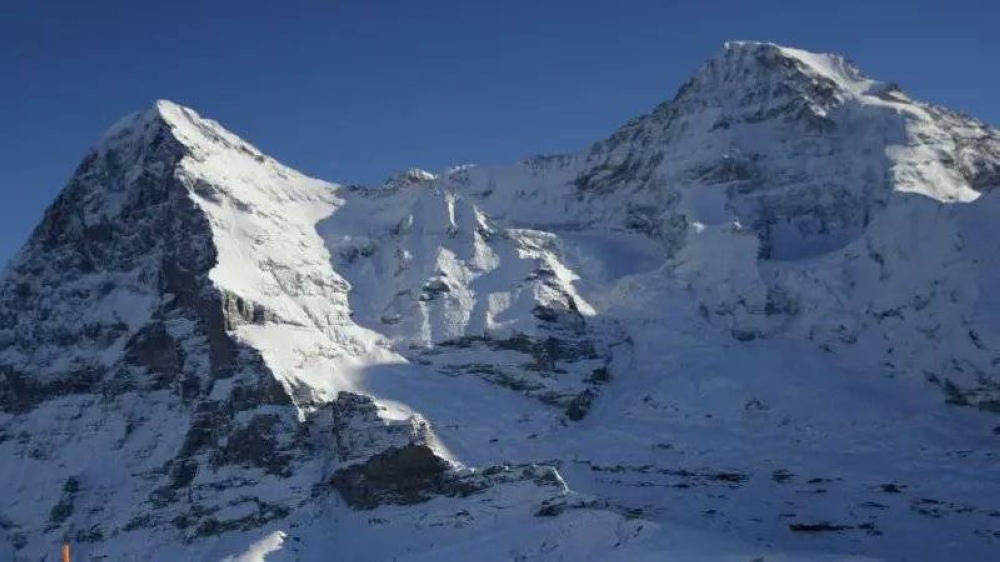
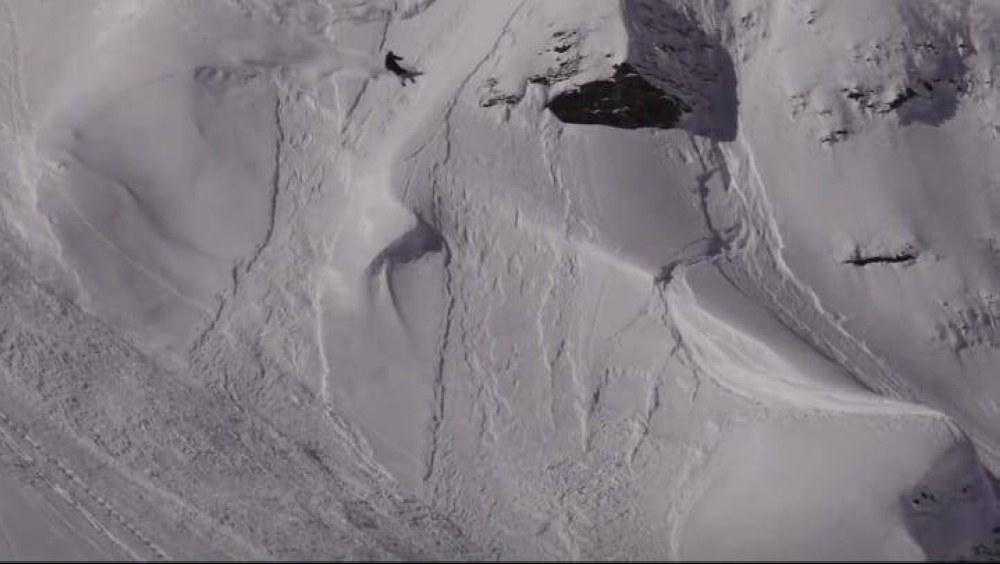
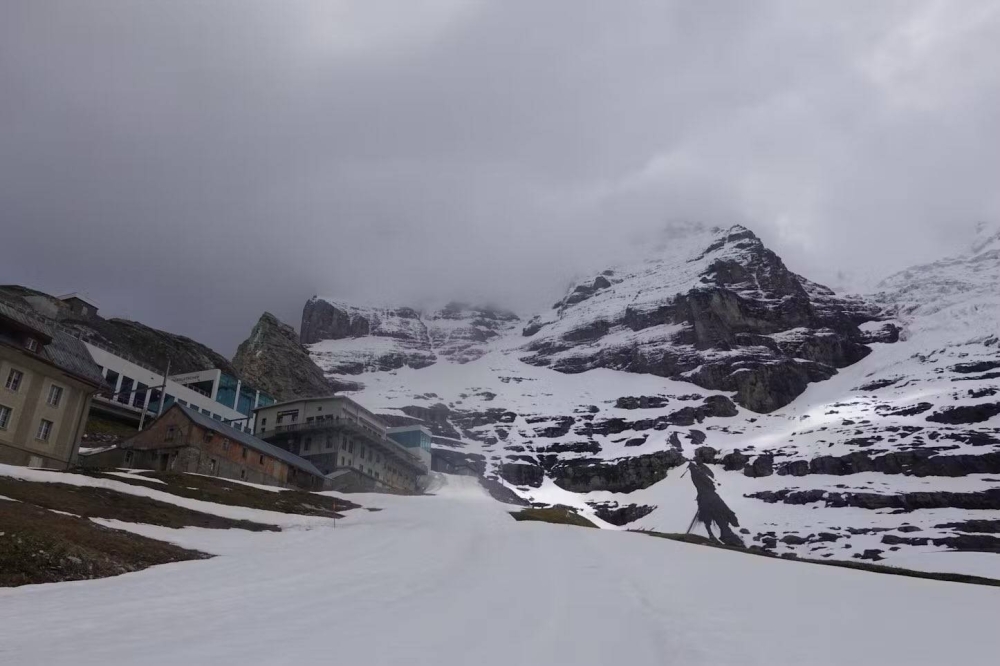
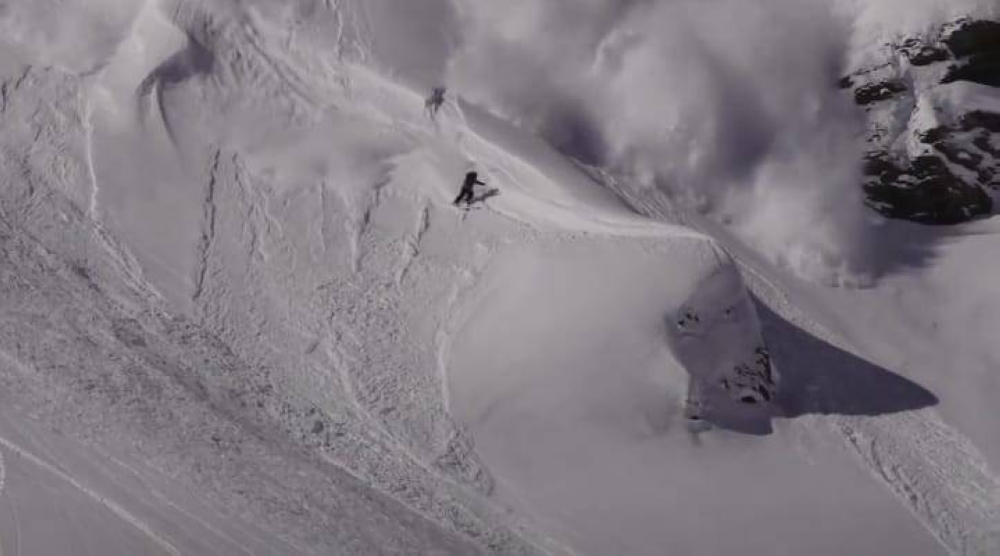
في حادث مأساوي هز جبال الألب السويسرية، لقي شخصان مصرعهما وأصيب خمسة آخرون إثر انهيار جليدي ضرب المنحدر الغربي لجبل إيجر، أحد أبرز قمم سويسرا، في حادث وقع في بلدية لوتربرونين بكانتون برن، بالقرب من محطة إيجر جلاسير على خط سكة حديد يونغفراويوخ، وهي منطقة سياحية شهيرة تجذب المتزلجين والمتسلقين من جميع أنحاء العالم.
ووفقاً لبيان شرطة كانتون برن، كان ثمانية أشخاص في المنطقة وقت وقوع الانهيار الجليدي، سبعة منهم جرفتهم الكتل الثلجية ودُفنوا جزئياً، كان الضحايا جزءاً من مجموعتين للتزلج الجبلي، إحداهما مكونة من شخصين والأخرى من خمسة أشخاص، وتوفي أحد الرجال في مكان الحادث، بينما أُعيد إنعاش رجل آخر في الموقع لكنه توفي لاحقاً في المستشفى، أما الخمسة المصابون، وهم أربعة رجال وامرأة، فقد نُقلوا جواً إلى مستشفيات قريبة لتلقي العلاج، دون الكشف عن حالتهم حتى الآن.
وكشفت الشرطة أن شخصاً واحداً كان في المنطقة لم يتأثر بالانهيار، لكنه لم يتمكن من المغادرة إلا في المساء بسبب سوء الأحوال الجوية.
وتم إطلاق عملية إنقاذ واسعة النطاق شاركت فيها فرق الإنقاذ الألبي السويسري، ومتخصصون في الجبال، وكلاب البحث عن الجليد، إلى جانب ثلاث مروحيات من ريجا وأربع من إير جلاسير، ومروحية سويسرية إضافية، وبحلول الساعة 7:50 مساء، أكدت الشرطة انتهاء عمليات البحث وعدم وجود مفقودين آخرين، وتتولى النيابة العامة الإقليمية في برن أوبرلاند التحقيق في أسباب الحادث، مع التركيز على الظروف الجوية وحالة الثلوج في المنطقة.
تأتي هذه المأساة بعد تساقط حوالى 14 سنتيمتراً من الثلوج في المناطق العليا من إيجر في 13 مايو 2025، إضافة إلى كميات كبيرة من الثلوج التي هطلت في منتصف أبريل، وتوقفت النشرات اليومية للتحذير من الانهيارات الثلجية في سويسرا بعد 15 أبريل الماضي، ما قد يكون ساهم في عدم توقع المجموعات لهذا الحادث.
ويرتفع جبل إيجر إلى 3,967 متراً في جبال الألب البرنية، مطلاً على منتجعات جريندلفالد ولوتربرونين، ويُعد رمزاً للألب السويسرية، خاصة بسبب واجهته الشمالية (نوردفاند)، وهي أكبر واجهة شمالية في الألب، والتي تشتهر بصعوبتها وخطورتها، حيث لقي أكثر من 60 متسلقا حتفهم منذ الثلاثينات، ويستخدم المنحدر الغربي، حيث وقع الانهيار، غالباً للتزلج الجبلي والتسلق.
وشهد إيجر حوادث مأساوية عديدة، مثل كارثة تسلق عام 1936، التي قتلت أربعة متسلقين على الواجهة الشمالية بسبب الطقس السيئ والانهيارات، وفي يوليو 1992، توفي ثلاثة عملاء تسلق بريطانيين على المنحدر الغربي بعد صعودهم عبر ميتليجي ريدج، كما شهدت المنطقة انهيارات صخرية كبيرة، مثل انهيار 700,000 متر مكعب من الصخور في يوليو 2006، بسبب ذوبان الجليد الناتج عن تغير المناخ.
In a tragic incident that shook the Swiss Alps, two people lost their lives and five others were injured after an avalanche struck the western slope of the Eiger mountain, one of Switzerland's prominent peaks. The incident occurred in the municipality of Lauterbrunnen in the canton of Bern, near the Eiger Glacier station on the Jungfrau railway line, a popular tourist area that attracts skiers and climbers from around the world.
According to a statement from the Bern canton police, eight people were in the area at the time of the avalanche, seven of whom were swept away by the snow masses and partially buried. The victims were part of two groups of mountain skiers, one consisting of two people and the other of five. One man died at the scene, while another man was revived on-site but later died in the hospital. The five injured, four men and a woman, were airlifted to nearby hospitals for treatment, with their conditions not disclosed yet.
The police revealed that one person in the area was not affected by the avalanche but could only leave in the evening due to bad weather conditions.
A large-scale rescue operation was launched, involving Swiss alpine rescue teams, mountain specialists, avalanche search dogs, along with three helicopters from Rega and four from Air Glacier, plus an additional Swiss helicopter. By 7:50 PM, the police confirmed the end of the search operations with no other missing persons. The regional public prosecutor's office in Bern Oberland is investigating the causes of the incident, focusing on the weather conditions and the state of the snow in the area.
This tragedy comes after approximately 14 centimeters of snow fell in the higher areas of the Eiger on May 13, 2025, in addition to large amounts of snow that fell in mid-April. Daily avalanche warnings in Switzerland ceased after April 15, which may have contributed to the groups not anticipating this incident.
The Eiger rises to 3,967 meters in the Bernese Alps, overlooking the resorts of Grindelwald and Lauterbrunnen, and is considered a symbol of the Swiss Alps, particularly due to its north face (Nordwand), which is the largest north face in the Alps and is known for its difficulty and danger, with over 60 climbers having died since the 1930s. The western slope, where the avalanche occurred, is often used for mountain skiing and climbing.
The Eiger has witnessed numerous tragic incidents, such as the climbing disaster in 1936, which killed four climbers on the north face due to bad weather and avalanches. In July 1992, three British climbing clients died on the western slope after ascending via the Mittellegi Ridge. The area has also experienced significant rockfalls, such as the collapse of 700,000 cubic meters of rock in July 2006, due to glacier melting caused by climate change.