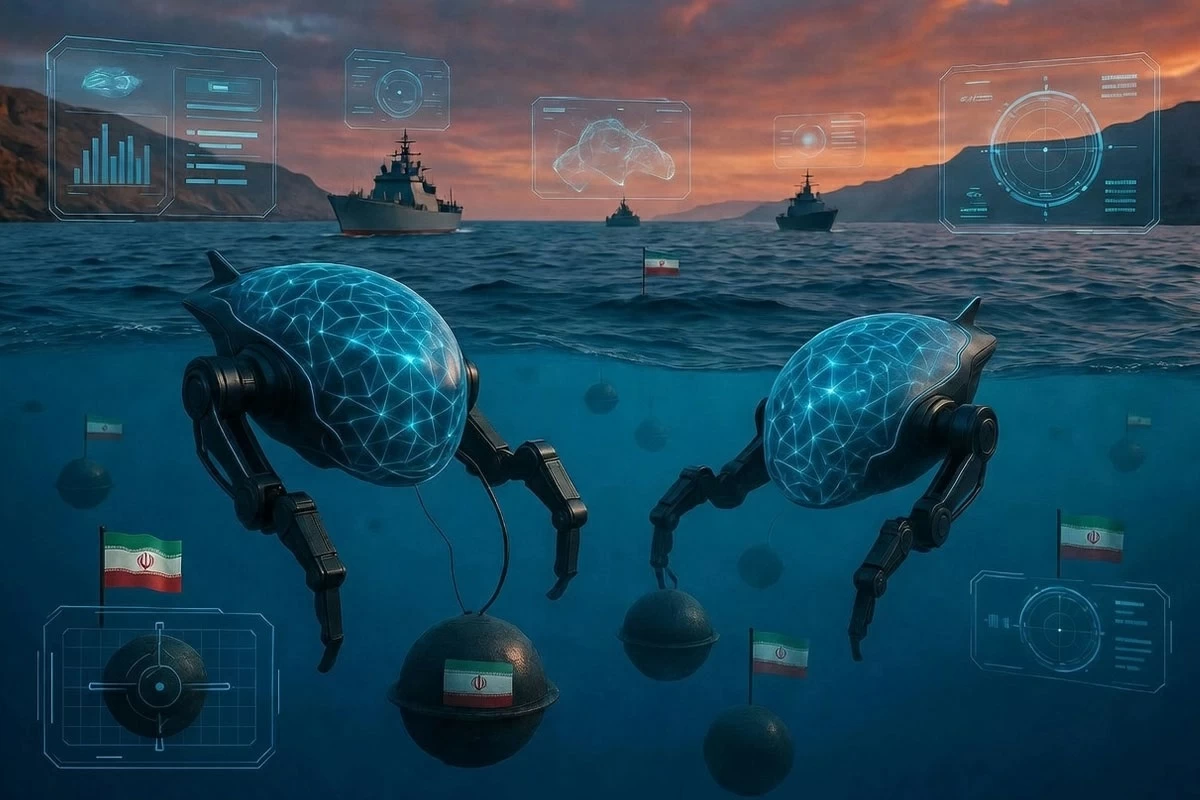
لم تعد الألغام البحرية مجرد عبوات صامتة ومصنوعة من الحديد تختبئ تحت الماء، بل تحولت في مياه الخليج العربي إلى سباق تكنولوجي معقّد للغاية تقوده الخوارزميات والذكاء الاصطناعي، بعدما دخلت البحرية الأمريكية رسمياً على خط مواجهة تهديدات مضيق هرمز بعقد ضخم مع شركة تقنية من قلب وادي السيليكون.
واشنطن تستعين بوادي السيليكون
في خطوة تعكس حجم القلق الدولي البالغ من إغلاق أحد أهم الممرات النفطية في العالم، تعاقدت البحرية الأمريكية مع شركة Domino Data Lab المتخصصة في الذكاء الاصطناعي، ضمن صفقة تصل قيمتها إلى 100 مليون دولار، بهدف تطوير أنظمة فائقة الذكاء قادرة على اكتشاف الألغام البحرية الإيرانية تحت مياه مضيق هرمز بسرعة غير مسبوقة.
اللافت في الأمر أن هذه المهمة العسكرية التي كانت تستغرق في السابق نحو 6 أشهر كاملة لتحديث أنظمة التعرف على الألغام، بات يُفترض اليوم أن تُنجز خلال أيام أو حتى ساعات فقط، بفضل برمجيات متطورة تعتمد على دمج بيانات السونار والتصوير البحري وتحليلها لحظياً بواسطة نماذج ذكاء اصطناعي قادرة على «التعلم الذاتي» من كل جسم مشبوه يظهر تحت سطح الماء.
لكن المخاوف الأمريكية لا تتعلق بالألغام التقليدية القديمة، بل بما تصفه التقارير العسكرية بـ«الألغام الذكية» أو الأنماط الجديدة غير المعروفة سابقاً، وهي ألغام يمكن أن تُزرع بسرية تامة في ممرات الملاحة الحساسة، وتُهدد بشكل مباشر حركة ناقلات النفط العملاقة التي تمر عبر المضيق.
وتحوّل مضيق هرمز إلى نقطة توتر دائمة بين إيران والولايات المتحدة، إذ يمر عبره جزء ضخم من صادرات النفط العالمية، ما يجعل أي تهديد بحري هناك قادراً على إشعال أسواق الطاقة ورفع أسعار النفط عالمياً في غضون ساعات قليلة.
وبحسب ما كشفه موقع Defense News العسكري المتخصص، فإن هذه التكنولوجيا الخوارزمية الجديدة ستُستخدم بصفة أساسية داخل المسيرات البحرية غير المأهولة (الغواصات الروبوتية) التابعة للبحرية الأمريكية، بحيث تصبح هذه الآليات قادرة على اكتشاف الألغام وتحليلها واتخاذ قرارات ميدانية حاسمة بسرعة فائقة، مع إرسال تحديثات فورية لغرف العمليات لتحسين الأداء عند اكتشاف أي أخطاء.
الأمر في المضيق لم يعد مجرد عمليات تمشيط بحرية تقليدية، بل تحول رسمياً إلى «حرب خوارزميات صامتة» تحت سطح الماء، إذ تتنافس الأنظمة الذكية على كشف الأجسام القاتلة في أكثر الممرات المائية حساسية على كوكب الأرض، وسط قلق دولي من استخدام ورقة الألغام كضغط استراتيجي قد يهز الاقتصاد العالمي في أي لحظة.
Naval mines are no longer just silent, iron-made devices hiding underwater; they have transformed in the waters of the Arabian Gulf into an extremely complex technological race led by algorithms and artificial intelligence, as the U.S. Navy has officially entered the fray to confront the threats in the Strait of Hormuz with a massive contract with a tech company from the heart of Silicon Valley.
Washington Turns to Silicon Valley
In a move that reflects the significant international concern over the closure of one of the world's most important oil passageways, the U.S. Navy has contracted with Domino Data Lab, a company specializing in artificial intelligence, in a deal worth up to $100 million, aimed at developing ultra-intelligent systems capable of detecting Iranian naval mines beneath the waters of the Strait of Hormuz at unprecedented speeds.
What is striking is that this military mission, which previously took about six full months to update mine detection systems, is now expected to be completed within days or even hours, thanks to advanced software that relies on integrating sonar data and marine imaging and analyzing it in real-time using artificial intelligence models capable of "self-learning" from every suspicious object that appears beneath the water's surface.
However, American concerns are not related to old conventional mines, but rather to what military reports describe as "smart mines" or previously unknown new patterns, which are mines that can be planted in complete secrecy in sensitive navigation corridors, directly threatening the movement of giant oil tankers passing through the strait.
The Strait of Hormuz has become a permanent point of tension between Iran and the United States, as a massive portion of global oil exports passes through it, making any maritime threat there capable of igniting energy markets and raising global oil prices within just a few hours.
According to what was revealed by the specialized military site Defense News, this new algorithmic technology will primarily be used within unmanned naval drones (robotic submarines) belonging to the U.S. Navy, enabling these vehicles to detect and analyze mines and make critical field decisions at lightning speed, while sending real-time updates to command centers to improve performance upon detecting any errors.
The situation in the strait is no longer just about traditional maritime patrols; it has officially turned into a "silent algorithm war" beneath the water's surface, as intelligent systems compete to uncover deadly objects in the most sensitive waterways on the planet, amid international concerns about the use of mines as a strategic pressure tool that could shake the global economy at any moment.