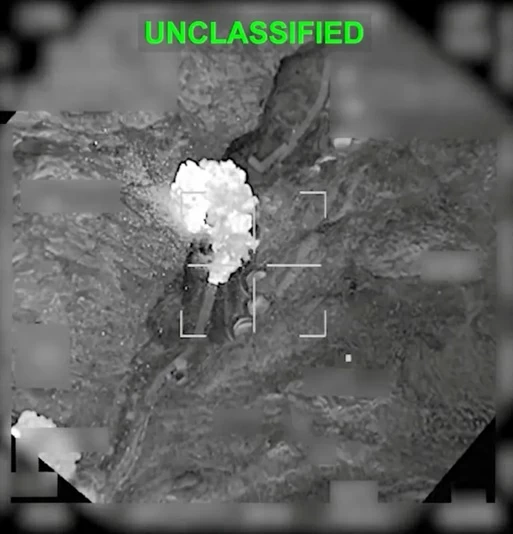
أثار تعطل مفاجئ في معدات اتصالات خلال الهجوم على أصفهان موجة تساؤلات واسعة حول أمن البنية التحتية الرقمية، خصوصاً مع ارتباط هذه الأعطال بأجهزة من شركات أمريكية مثل سيسكو وفورتينت وجونيبر.
وبحسب تقارير إعلامية صينية، فإن الأعطال حدثت بشكل متزامن تقريباً، ما أدى إلى خروج أنظمة اتصالات عن الخدمة في توقيت حساس، وهو ما دفع خبراء إلى طرح عدة فرضيات لتفسير ما جرى.
تشير إحدى الفرضيات إلى احتمال وجود «أبواب خلفية» داخل هذه الأجهزة، تسمح بالوصول إليها أو تعطيلها عن بُعد، حتى دون اتصال مباشر بالإنترنت. فرضية أخرى تتحدث عن إرسال حزم بيانات خبيثة من داخل الشبكة نفسها، ما قد يؤدي إلى انهيار الأنظمة بشكل مفاجئ.
كما يطرح خبراء احتمال وجود برمجيات خبيثة كامنة منذ فترة طويلة داخل هذه الأجهزة، لا تُفعّل إلا عند تلقي إشارة معينة، لتتحول إلى ما يشبه «شبكة زومبي» قادرة على تعطيل الأنظمة بشكل منسق. وهناك أيضاً سيناريو يتعلق بما يُعرف بـ«سلسلة الإمداد»، أي أن التلاعب قد يكون حدث قبل وصول الأجهزة إلى المستخدم النهائي.
هذه الاحتمالات، سواء ثبتت أو بقيت في إطار التحليل، تسلط الضوء على نقطة حساسة وهي: اعتماد الدول على معدات تقنية مستوردة في قطاعات حيوية مثل الاتصالات.
ويشير محللون إلى أن الحادثة تعزز الجدل حول مفهوم «الاستقلال الرقمي»، إذ تصبح السيطرة على التكنولوجيا – من التصنيع إلى التشغيل – جزءاً من الأمن القومي، وليس مجرد خيار اقتصادي.
كما تدفع هذه التطورات إلى إعادة تقييم سياسات الأمن السيبراني، خصوصاً في الدول التي تعتمد بشكل كبير على بنى تحتية خارجية، في وقت تتزايد فيه الهجمات الرقمية وتعقيداتها.
في ظل هذا المشهد، لم يعد الخطر مقتصراً على الهجمات التقليدية، بل امتد إلى سيناريوهات أكثر تعقيداً، قد تبدأ من داخل الأجهزة نفسها، وتظهر في اللحظة الأكثر حساسية.
A sudden malfunction in communication equipment during the attack on Isfahan has raised widespread questions about the security of digital infrastructure, especially with these malfunctions being linked to devices from American companies like Cisco, Fortinet, and Juniper.
According to Chinese media reports, the malfunctions occurred almost simultaneously, leading to communication systems going offline at a critical time, prompting experts to propose several hypotheses to explain what happened.
One hypothesis suggests the possibility of "backdoors" within these devices, allowing access or remote disabling, even without direct internet connection. Another hypothesis discusses the sending of malicious data packets from within the network itself, which could lead to sudden system failures.
Experts also raise the possibility of long-dormant malware within these devices, which only activates upon receiving a specific signal, transforming into something akin to a "zombie network" capable of disabling systems in a coordinated manner. There is also a scenario related to what is known as the "supply chain," meaning that manipulation may have occurred before the devices reached the end user.
These possibilities, whether proven or remain within the realm of analysis, highlight a sensitive point: the reliance of countries on imported technological equipment in vital sectors such as communications.
Analysts indicate that the incident reinforces the debate around the concept of "digital independence," as control over technology—from manufacturing to operation—becomes part of national security, rather than just an economic choice.
These developments also push for a reassessment of cybersecurity policies, especially in countries that heavily rely on external infrastructure, at a time when digital attacks and their complexities are on the rise.
In this context, the threat is no longer limited to traditional attacks, but has extended to more complex scenarios that may originate from within the devices themselves, surfacing at the most sensitive moments.