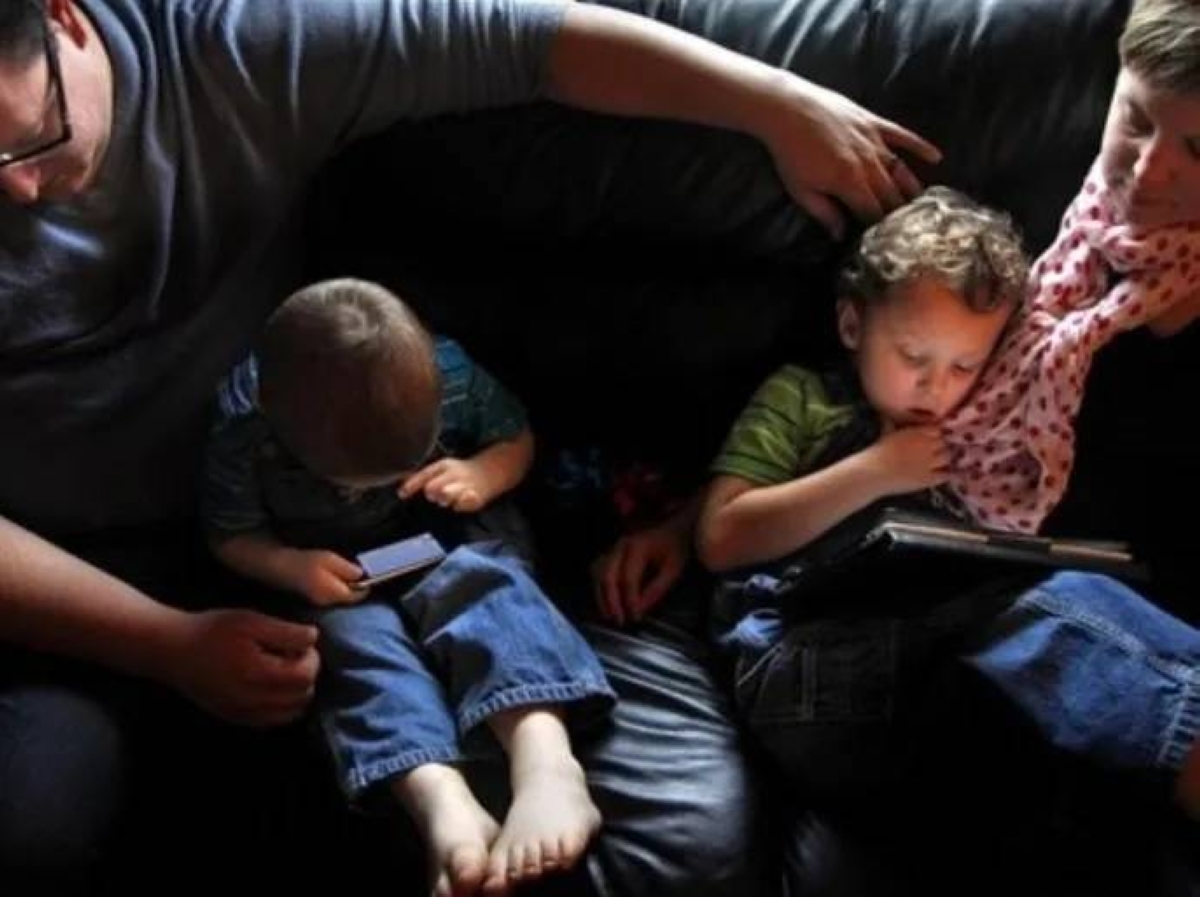
مجتمعات افتراضية أتاحت للإنسان فرصة توسيع دائرة العلاقات في جميع أنحاء العالم لتبادل المعلومات، والتعبير عن الآراء، ونشر المحتويات عبر منصات رقمية، ومع التطورات الحديثة استُخدم الذكاء الاصطناعي في المنصات الرقمية، كل ذلك يُعدُّ إيجابيًا طالما كان الاستخدام بشكل متوازن، أما المستخدمون من الأطفال فيستوجب مراقبة الآباء، وذلك ما حثت عليه دارسة صينية لإعادة نظر الآباء في السماح لأطفالهم في سن قبل المدرسة باستخدام تطبيقات التواصل الاجتماعي أو بث الفيديوهات.
وأفادت الدراسة بأن الأطفال الذين يستخدمون تلك التطبيقات «بإفراط» أكثر عرضة لأن يصبحوا شخصيات عنيفة أو غير اجتماعية مقارنة بالأطفال الآخرين في نفس السن.
وأشارت الدراسة التي نشرت في المجلة البريطانية لعلم النفس التطوري، إلى حاجة الآباء لمعالجة استخدام الأطفال في سن ما قبل المدرسة لتطبيقات الفيديو، إذ يؤكد فريق الباحثين المنتمي أغلبهم لجامعة جنوب غرب الصين في شونجشينج، أن الإفراط في استخدام مقاطع الفيديو القصيرة يرتبط بشكل سلبي بتحسن السلوكيات الاجتماعية ويرتبط إيجابًا بالسلوكيات العدوانية.
وحذر الفريق البحثي من أن الاستخدام المفرط لمقاطع الفيديو القصيرة بين أطفال في سن ما قبل المدرسة أصبح شائعًا بشكل متزايد، مبينًا أنهم سعوا إلى توضيح كيفية تأثير التعرض لهذه التطبيقات على «تطور السلوك الاجتماعي» لدى الأطفال الذين تتراوح أعمارهم بين ثلاث وست سنوات.
وتأتي نتائج هذه الدراسة في أعقاب مخاوف بشأن مدى ملاءمة منصات محادثة الذكاء الاصطناعي واسعة الانتشار والشعبية للأطفال وتأثيرها على شخصيتهم.
Virtual communities have provided individuals with the opportunity to expand their network of relationships around the world for the exchange of information, expressing opinions, and sharing content through digital platforms. With recent developments, artificial intelligence has been utilized in digital platforms, all of which is considered positive as long as the usage is balanced. However, users who are children require parental supervision, which is what a Chinese study urged parents to reconsider regarding allowing their preschool-aged children to use social media applications or stream videos.
The study reported that children who use these applications "excessively" are more likely to become violent or antisocial compared to other children of the same age.
The study, published in the British Journal of Developmental Psychology, highlighted the need for parents to address preschool children's use of video applications. The research team, most of whom are affiliated with Southwest University in Chongqing, emphasized that excessive use of short videos is negatively associated with improvements in social behaviors and positively associated with aggressive behaviors.
The research team warned that excessive use of short videos among preschool-aged children has become increasingly common, indicating that they sought to clarify how exposure to these applications affects the "development of social behavior" in children aged three to six years.
The results of this study come in the wake of concerns regarding the suitability of widely popular artificial intelligence chat platforms for children and their impact on their personalities.