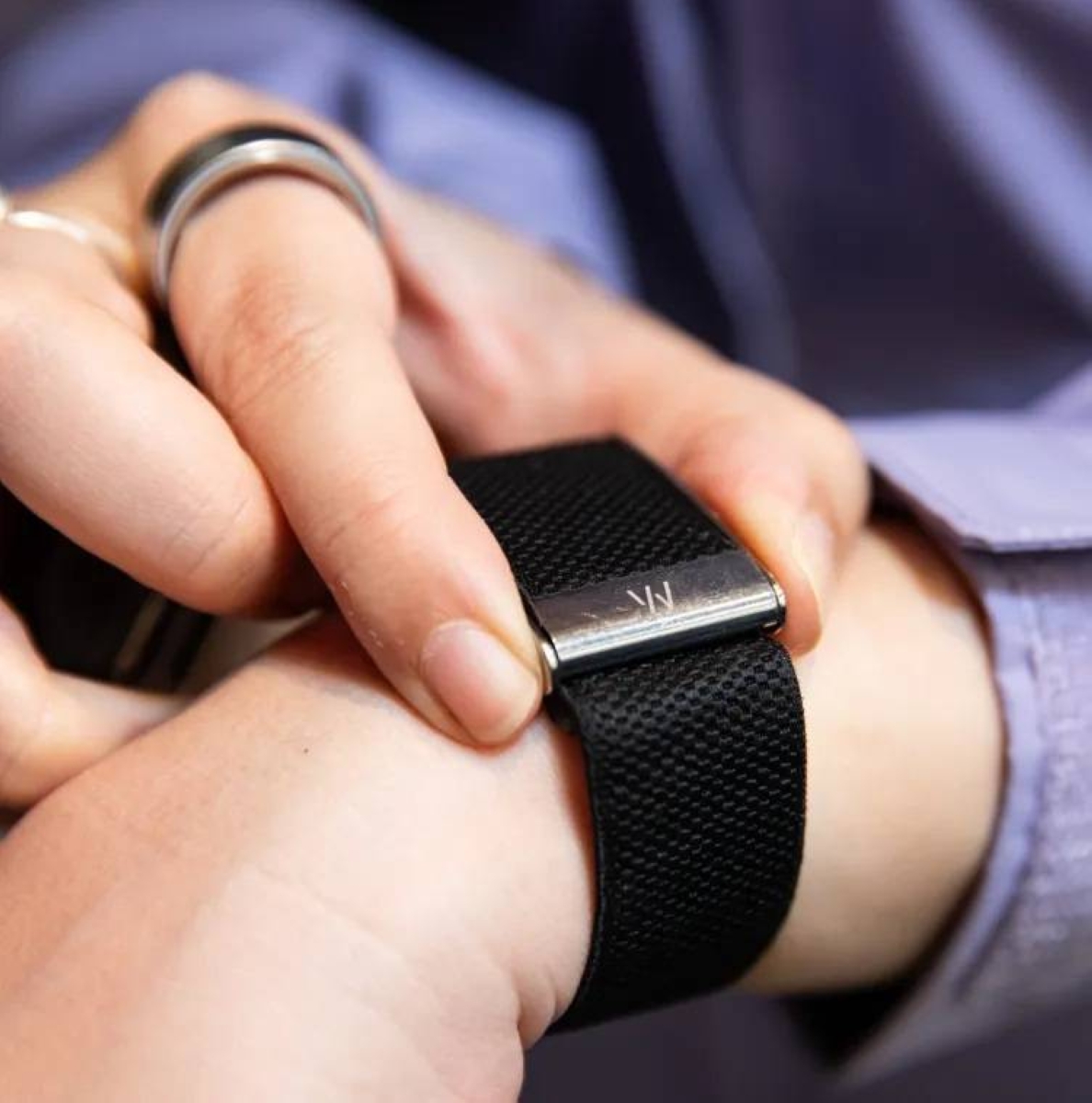
أصدرت إدارة الغذاء والدواء الأمريكية (FDA) تحذيراً رسمياً لشركة Whoop المختصة بتصنيع الأجهزة الصحية التكنولوجية القابلة للارتداء، متهمةً إياها بتسويق ميزة «رؤى ضغط الدم» دون الحصول على التصاريح الطبية اللازمة. وتعد هذه الخطوة تذكيراً بالتحديات التي تواجهها الشركات في التمييز بين ميزات العافية والميزات ذات الطابع الطبي.
وتم اعتبار ميزة «Blood Pressure Insights» التي تم تضمينها في أحدث أجهزة Whoop من قبل الهيئة التنظيمية ميزة طبية تستوجب موافقة مسبقة، خصوصاً أنها قد تدفع المستخدم لاتخاذ قرارات صحية بناءً على بيانات قد تبدو تشخيصية. في المقابل، ردت الشركة بأن الميزة تُصنف ضمن أدوات «العافية»، المصممة لمساعدة المستخدم على تحسين نمط حياته، وليست أداة طبية.
في سوق الأجهزة القابلة للارتداء، تخضع بعض الميزات -مثل تخطيط القلب أو تنبيهات الرجفان الأذيني- لإشراف صارم، بينما تُستثنى ميزات أخرى بسيطة مثل عد الخطوات أو تتبع النوم، كونها تُستخدم لأغراض عامة متعلقة بالصحة.
هذا الجدل يكشف فجوة تنظيمية متزايدة بين الابتكار في مجال التكنولوجيا الصحية ومتطلبات الجهات الرقابية، ويثير تساؤلات حول متى تصبح ميزة العافية أداة طبية، وما الجهة المسؤولة عن ضبط هذا التوازن.
The U.S. Food and Drug Administration (FDA) issued an official warning to Whoop, a company specializing in the manufacturing of wearable health technology devices, accusing it of marketing the "Blood Pressure Insights" feature without obtaining the necessary medical approvals. This step serves as a reminder of the challenges companies face in distinguishing between wellness features and those with a medical nature.
The "Blood Pressure Insights" feature included in the latest Whoop devices was deemed by the regulatory body to be a medical feature that requires prior approval, especially since it could lead users to make health decisions based on data that may appear diagnostic. In contrast, the company responded that the feature is classified as a "wellness" tool designed to help users improve their lifestyle, and is not a medical tool.
In the wearable device market, some features—such as ECG monitoring or atrial fibrillation alerts—are subject to strict oversight, while other simpler features like step counting or sleep tracking are exempt, as they are used for general health-related purposes.
This debate reveals an increasing regulatory gap between innovation in health technology and the requirements of regulatory bodies, raising questions about when a wellness feature becomes a medical tool, and who is responsible for maintaining this balance.