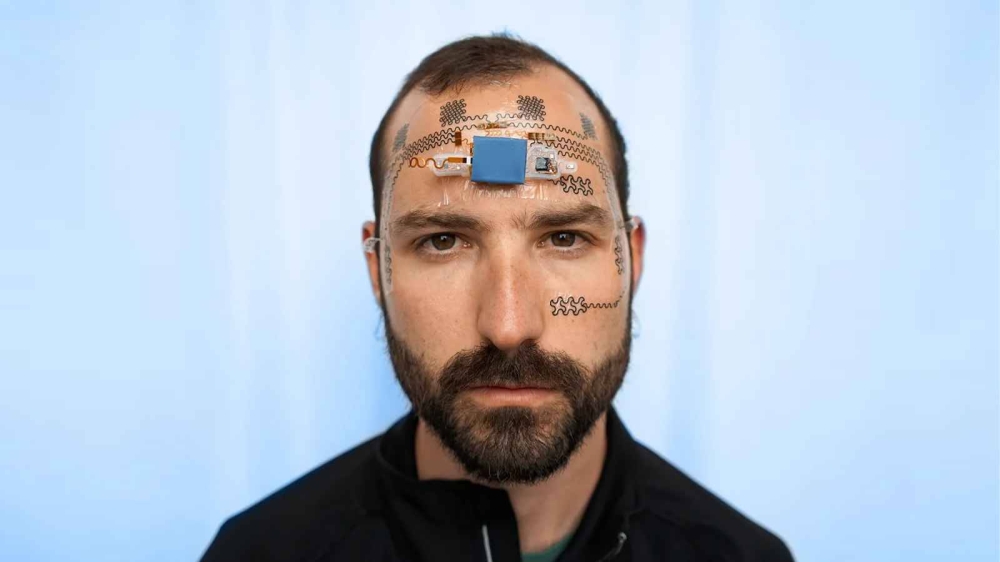
ابتكر باحثون من جامعة تكساس وشماً إلكترونيّاً فائق الرقة يُلصق على الجبهة، قادراً على مراقبة نشاط الدماغ لاسلكيّاً للكشف الفوري عن الإجهاد الذهني، في خطوة قد تُحدث تحولاً جذريّاً في تقنيات تتبع الحالة الذهنية في الوقت الحقيقي.
وهذا الجهاز المبتكر، الذي يُشبه في نحافته ورقّته «وشماً مؤقتاً»، نجح في تتبع مستويات التوتر الذهني لدى 6 مشاركين خلال اختبارات الذاكرة، وحقق دقة بلغت 89% في التنبؤ بالعبء الذهني لدى أحدهم.
ويتمثل الفارق الجوهري بين هذا الابتكار والتقنيات التقليدية في أنه لا يعتمد على أقطاب كهربائية موصولة بأسلاك أو مواد هلامية، بل يتميز بخفة وزنه ومرونته الفائقة، حتى أن المستخدمين بالكاد يشعرون بوجوده.
ويبلغ سمك الجهاز 117 ميكرومتراً فقط (أي أقل من شعرة الإنسان) فيما لا يتجاوز وزنه 4.1 غرام (دون البطارية).
ويأمل الباحثون أن يُسهم هذا الابتكار في دعم العاملين في بيئات تتطلب تركيزاً عالياً، مثل الطيارين والسائقين والجراحين، عبر مراقبة مؤشرات الإرهاق الذهني وتحذيرهم في الوقت المناسب.
في اختبارات معملية، أجرى متطوعون مهمات ذاكرة وحساب أثناء ارتداء الجهاز. ميّز الجهاز بدقة بين لحظات الراحة النفسية وفترات التوتر، وحافظ على دقته حتى مع تحريك المشاركين رؤوسهم ورموشهم، ما يؤكد إمكانية استخدامه في بيئات ديناميكية وواقعية، مثل غرف العمليات أو قمرات القيادة.
لكن رغم الإمكانات الواعدة للجهاز، فإنه لا يزال يواجه بعض القيود التقنية، أبرزها أنه يعمل فقط على مناطق الجلد الخالية من الشعر، ويحتاج إلى اختبارات موسعة في بيئات واقعية قبل أن يُتاح للاستخدام على نطاق واسع.
ويرى خبراء أن هذه التقنية تمثل تقدماً كبيراً في مجال الأجهزة القابلة للارتداء لمراقبة نشاط الدماغ، مع إمكانيات مستقبلية قد تغير طريقة فهمنا للتوتر الذهني وإدارته في الحياة اليومية والمهنية على حد سواء.
Researchers from the University of Texas have developed an ultra-thin electronic tattoo that adheres to the forehead, capable of wirelessly monitoring brain activity to provide immediate detection of mental stress, in a step that could lead to a radical transformation in real-time mental state tracking technologies.
This innovative device, which resembles a "temporary tattoo" in its thinness and lightness, successfully tracked mental stress levels in 6 participants during memory tests, achieving an accuracy of 89% in predicting one participant's mental load.
The fundamental difference between this innovation and traditional techniques is that it does not rely on electrodes connected by wires or gel materials, but rather features an extremely lightweight and flexible design, to the extent that users can barely feel its presence.
The device is only 117 micrometers thick (less than a human hair) and weighs just 4.1 grams (excluding the battery).
The researchers hope that this innovation will assist workers in environments that require high concentration, such as pilots, drivers, and surgeons, by monitoring indicators of mental fatigue and providing timely warnings.
In laboratory tests, volunteers performed memory and calculation tasks while wearing the device. The device accurately distinguished between moments of mental relaxation and periods of stress, maintaining its accuracy even as participants moved their heads and eyelashes, confirming its potential use in dynamic and real-world environments, such as operating rooms or cockpits.
However, despite the promising capabilities of the device, it still faces some technical limitations, most notably that it only works on hairless skin areas and requires extensive testing in real-world environments before it can be made widely available.
Experts believe that this technology represents a significant advancement in wearable devices for monitoring brain activity, with future possibilities that could change the way we understand and manage mental stress in both daily and professional life.