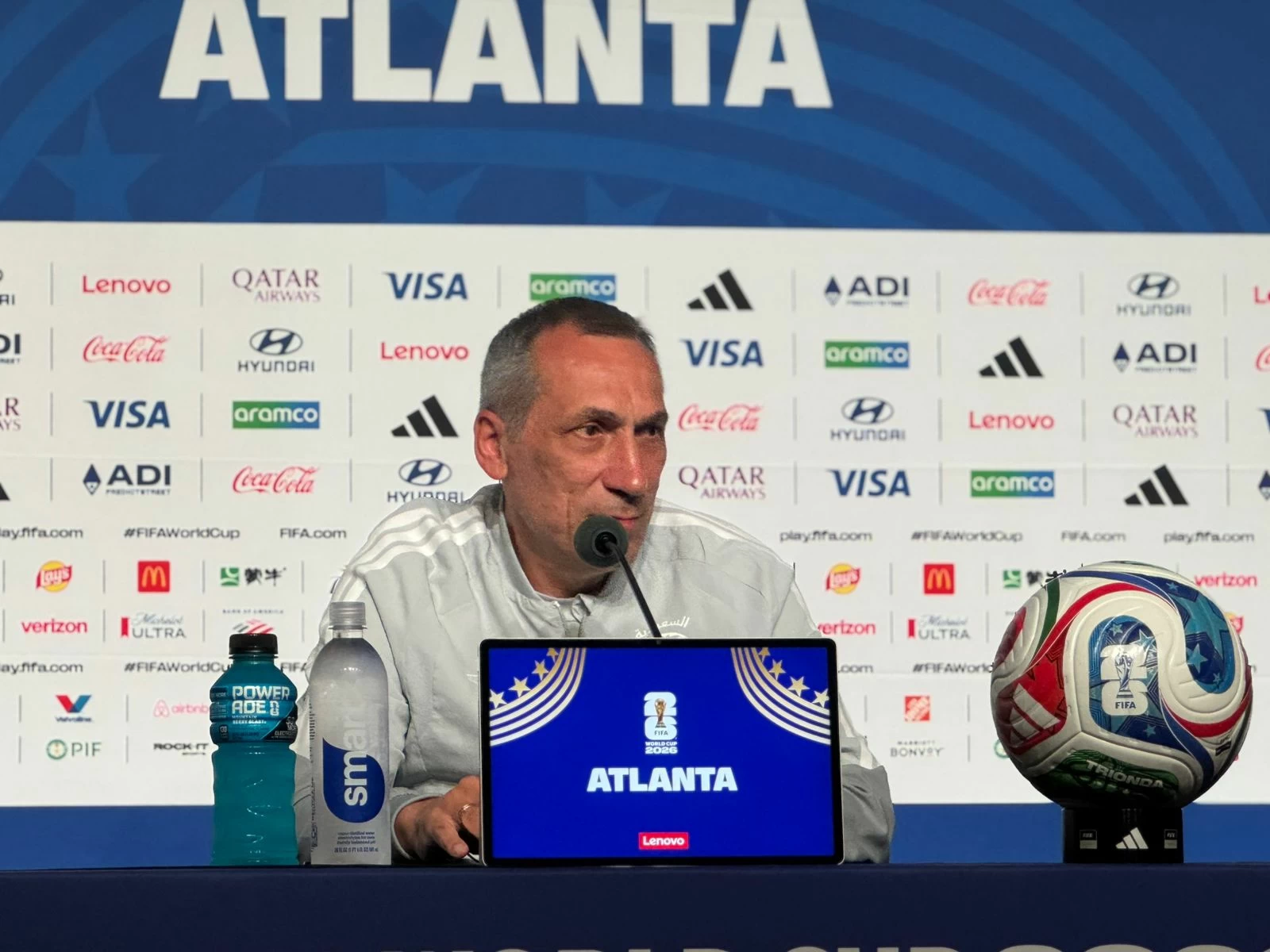
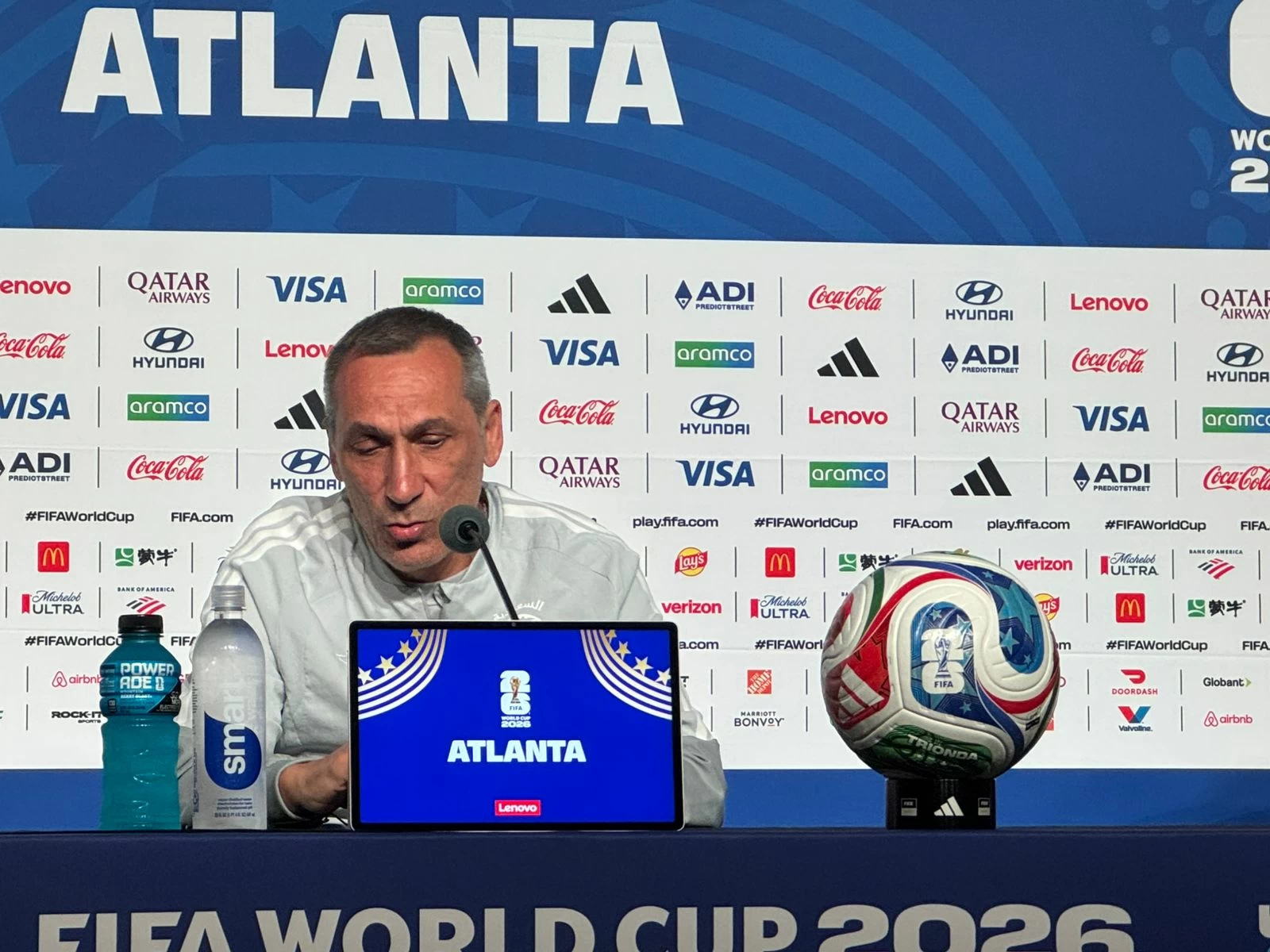
في رده على سؤال «عكاظ» حول ما إذا كان تعادل إسبانيا أمام الرأس الأخضر رغم استحواذها الكبير يعكس وجود مشكلة هجومية أم أنه مجرد ظرف خاص بالمباراة، أوضح مدرب المنتخب السعودي دونيس خلال المؤتمر الصحفي، أن قراءته للمواجهة قادته إلى قناعة بأن المنتخب الإسباني يختلف كثيراً بحسب العناصر الموجودة في الملعب.
وقال: «يختلف المنتخب الإسباني كثيراً بوجود لامين يامال ونيكو ويليامز، فهما يضيفان للفريق عنصر الحسم في المواجهات الفردية وقدرة أكبر على صناعة الفارق في الحالات واحد ضد واحد».
وأضاف: «علينا أن نكون على جاهزية كاملة لمواجهة إسبانيا بمختلف أساليبها، سواء اعتمدت على اللعب الجماعي والاستحواذ أو على المهارات الفردية للاعبيها، وهو ما يجعل المهمة أكثر صعوبة ويمثل تحدياً كبيراً بالنسبة لنا».
وتابع: «بصراحة، إسبانيا ليست الفريق نفسه عندما يكون لامين يامال أو نيكو ويليامز خارج التشكيلة. فهي تحافظ على أسلوبها المعروف في الاستحواذ والسيطرة على الكرة، لكنها تفتقد إلى عنصر مهم يتمثل في القدرة على الحسم الفردي في المواجهات واحد ضد واحد عند غياب هذين اللاعبين».
وأضاف: «هذا الأمر ظهر بوضوح أمام الرأس الأخضر، إذ استحوذت إسبانيا على الكرة لفترات طويلة، لكنها افتقدت للحلول الفردية. وفي المقابل نجح الرأس الأخضر في الدفاع بصورة متكتلة ومنظمة، ورغم تعرضه لبعض الفرص، وهو أمر طبيعي عندما تدافع طوال 96 أو 97 دقيقة أمام منتخب بحجم إسبانيا، فإنه تمكن من الصمود والخروج بنتيجة إيجابية».
وأكد دونيس أنه لا يرى وجود مشكلة هجومية لدى المنتخب الإسباني، موضحاً: «لا أعتقد أن لدى إسبانيا مشكلة، بل إن الأمر يرتبط باختلاف خصائص اللاعبين. فعندما يغيب يامال وويليامز يصبح الفريق أكثر اعتماداً على اللعب الجماعي والترابط بين الخطوط، بينما يمنح وجودهما الفريق بعداً إضافياً من خلال الحلول الفردية والقدرة على صناعة الفارق».
وأردف: «علينا أن نجد الطريقة المناسبة للتعامل مع الحالتين معاً، سواء واجهنا إسبانيا التي تعتمد بصورة أكبر على اللعب الجماعي أو إسبانيا التي تمتلك أيضاً الحلول الفردية، وهي مهمة صعبة للغاية».
وحول الطريقة التي يمكن من خلالها الحد من خطورة المنتخب الإسباني، قال دونيس: «المنتخبات الكبيرة بحجم إسبانيا تدخل المباريات بهدف فرض أسلوبها والضغط على المنافس وصناعة الفرص، وفي مثل هذه المواجهات يجب علينا أن ندافع بصورة جيدة، كما أن عامل التوفيق يبقى حاضراً ويلعب دوراً مهماً في كرة القدم».
وأضاف: «الرأس الأخضر دافع لمدة تقارب 95 دقيقة أمام إسبانيا، ورغم الجودة الكبيرة التي يمتلكها المنتخب الإسباني فإنه لم يستقبل عدداً كبيراً من الفرص. كما أن بعض التفاصيل لعبت دورها، سواء من خلال التوفيق أو تألق حارس المرمى الذي قدم مباراة مميزة وأسهم في خروج فريقه بنتيجة التعادل».
وتابع: «في مثل هذه الظروف، علينا أن نقدم أداء دفاعياً قوياً ومنظماً، وأن نغلق المساحات بالشكل المناسب، ونحسن التمركز واستخدام أجسادنا في الالتحامات، وأن نكون على دراية كاملة بكيفية التعامل مع مختلف حالات اللعب والتغطيات الدفاعية المطلوبة. وأعتقد أننا قادرون على تقديم أداء دفاعي جيد إذا نجحنا في تطبيق هذه التفاصيل بالشكل المطلوب».
كما تطرق دونيس إلى تجربة سعود عبدالحميد، مؤكداً أنها تمثل نموذجاً مهماً للاعبي الكرة السعودية، وقال: «سعود حالة يمكن أن تكون مثالاً يحتذى به لبقية اللاعبين، لأن هناك خصوصية في كرة القدم السعودية تتمثل في أن اللاعب يبدأ غالباً في نادٍ صغير ويكون هدفه الوصول إلى أحد الأندية الكبيرة داخل المملكة».
وأضاف: «أما في أوروبا فالمسار مختلف، إذ لا يقتصر الطموح على الانتقال إلى الأندية الكبيرة داخل البلد، بل يمتد إلى خوض تجارب احترافية في دوريات كبرى مثل إسبانيا وإيطاليا وإنجلترا، وهو خيار لا يتجه إليه كثير من اللاعبين العرب».
وتابع: «أعتقد أنه كانت هناك محاولات قبل سنوات لإرسال بعض اللاعبين إلى الخارج من أجل تطويرهم والحصول على تعليم كروي أفضل. ومن وجهة نظري، نمتلك لاعبين موهوبين قادرين على اللعب في أندية جيدة خارج المملكة».
وأردف: «سعود يقدم هذا النموذج من خلال تجربته الاحترافية مع روما ثم انتقاله إلى لانس، حيث أصبح لاعباً أساسياً واكتسب خبرات كبيرة من اللعب في أوروبا. لذلك فهو يمثل مثالاً ممتازاً لبقية اللاعبين، إلى جانب كونه لاعباً مهماً للمنتخب بما يملكه من خبرة وتجربة».
وأضاف: «في بطولة تُلعب بنظام المباريات المتتالية والمتقاربة زمنياً، من الطبيعي أن أفكر دائماً في كيفية إدارة اللاعبين والجهد البدني. كما أنني لم أجب سابقاً عن السؤال المتعلق بسعود عبدالحميد والخيارات الموجودة لدينا في الجهة اليمنى».
وتابع: «نحن نتعامل مع كل مباراة بطريقة مختلفة وفقاً لظروفها ومتطلباتها الفنية. ولذلك يجب أن تكون لدينا إدارة مختلفة للمواجهة القادمة، وبطبيعة الحال فإن تفكيري لا يقتصر على مباراة إسبانيا فقط، بل يمتد أيضاً إلى المباراة الأخيرة، لأننا مطالبون بالنظر إلى البطولة بشكل متكامل واتخاذ القرارات التي تخدم الفريق على المدى القريب والبعيد».
وحول الضغوط التي يشعر بها قبل مواجهة إسبانيا، قال دونيس: «في الحقيقة، شعرت بضغط أكبر قبل مواجهة أوروغواي، لأنني كنت أعلم أن تحقيق نتيجة إيجابية في تلك المباراة، رغم الفترة القصيرة التي عملنا خلالها مع المنتخب، سيجعل المباراة الأخيرة مهمة جداً بالنسبة لنا وربما يقودنا إلى التأهل للدور التالي».
وأضاف: «كنا نرغب في الفوز على أوروغواي أو على الأقل عدم الخسارة والخروج بنقطة، وقد نجحنا في تحقيق ذلك. وعموماً، عندما أواجه المنتخبات الكبيرة وأفضل المنتخبات في العالم، فهذه هي فلسفتي؛ لا أشعر بضغط استثنائي».
وأوضح: «إذا خسرنا أمام إسبانيا، فلن يسألني الكثيرون لماذا خسرتم أمام أحد أفضل منتخبات العالم، لكن إذا خسرنا أمام الرأس الأخضر فسيكون السؤال حاضراً من الجميع، لذلك أتعامل مع هذه المباريات بعقلية مختلفة».
واستطرد: «هذا نابع من تجربتي الطويلة في كرة القدم، سواء عندما كنت لاعباً أو خلال الفترة التي لعبت فيها في الدوري الإنجليزي الممتاز. تعلمت أن كرة القدم لا يجب أن تكون مرتبطة بالضغط فقط، بل يجب أن تكون أيضاً مصدراً للمتعة والفرح، وأن نستمتع بمثل هذه اللحظات».
واختتم حديثه قائلاً: «على فريقنا أن يعيش هذه اللحظات ويستمتع بها، لكن في الوقت نفسه يجب أن يقاتل بقوة داخل أرضية الملعب وأن يبذل أقصى ما لديه طوال المباراة».
In response to a question from "Okaz" about whether Spain's draw against Cape Verde, despite their significant possession, reflects an offensive problem or is just a specific circumstance of the match, Saudi national team coach Donis clarified during the press conference that his reading of the match led him to the conviction that the Spanish team varies greatly depending on the players present on the field.
He said: "The Spanish team is very different with Lamine Yamal and Nico Williams on the field; they add a decisive element in one-on-one encounters and a greater ability to make a difference in those situations."
He added: "We must be fully prepared to face Spain in all its styles, whether it relies on collective play and possession or on the individual skills of its players, which makes the task more difficult and represents a significant challenge for us."
He continued: "Honestly, Spain is not the same team when Lamine Yamal or Nico Williams are absent from the lineup. They maintain their known style of possession and ball control, but they lack an important element represented by the ability to decisively win one-on-one encounters in the absence of these two players."
He added: "This was clearly evident against Cape Verde, as Spain had the ball for long periods but lacked individual solutions. In contrast, Cape Verde managed to defend in a compact and organized manner, and despite facing some chances, which is natural when defending for 96 or 97 minutes against a team like Spain, they managed to hold on and achieve a positive result."
Donis confirmed that he does not see an offensive problem with the Spanish national team, explaining: "I don't think Spain has a problem; rather, it relates to the different characteristics of the players. When Yamal and Williams are absent, the team becomes more reliant on collective play and connections between the lines, while their presence gives the team an additional dimension through individual solutions and the ability to make a difference."
He added: "We need to find the right way to deal with both situations, whether we face Spain that relies more on collective play or Spain that also has individual solutions, which is an extremely difficult task."
Regarding how to limit the danger posed by the Spanish national team, Donis said: "Big teams like Spain enter matches with the aim of imposing their style, pressuring the opponent, and creating opportunities. In such encounters, we must defend well, and the factor of luck remains present and plays an important role in football."
He added: "Cape Verde defended for nearly 95 minutes against Spain, and despite the high quality of the Spanish national team, they did not concede a large number of chances. Some details played their role, whether through luck or the brilliance of the goalkeeper who had an outstanding match and contributed to his team's draw."
He continued: "In such circumstances, we must provide a strong and organized defensive performance, close spaces appropriately, improve positioning, use our bodies effectively in challenges, and be fully aware of how to handle different play situations and the necessary defensive coverages. I believe we can deliver a good defensive performance if we succeed in applying these details correctly."
Donis also touched on the experience of Saud Abdulhamid, affirming that it represents an important model for Saudi football players, saying: "Saud is a case that can serve as a role model for other players because there is a particularity in Saudi football where a player often starts in a small club with the goal of reaching one of the big clubs in the kingdom."
He added: "In Europe, however, the path is different, as the ambition is not limited to moving to big clubs within the country but extends to pursuing professional experiences in major leagues like Spain, Italy, and England, which is a choice not many Arab players pursue."
He continued: "I believe there were attempts years ago to send some players abroad for their development and to gain better football education. From my perspective, we have talented players capable of playing in good clubs outside the kingdom."
He added: "Saud exemplifies this model through his professional experience with Roma and then his transfer to Lens, where he became a key player and gained significant experience from playing in Europe. Therefore, he represents an excellent example for other players, in addition to being an important player for the national team due to his experience and background."
He added: "In a tournament played in a system of consecutive and closely timed matches, it is natural for me to always think about how to manage the players and their physical effort. I also haven't previously answered the question regarding Saud Abdulhamid and the options we have on the right side."
He continued: "We approach each match differently according to its circumstances and technical requirements. Therefore, we need to have a different management strategy for the upcoming match, and naturally, my thinking does not only revolve around the match against Spain but also extends to the last match, as we are required to view the tournament as a whole and make decisions that serve the team in the short and long term."
Regarding the pressures he feels before facing Spain, Donis said: "In fact, I felt more pressure before facing Uruguay because I knew that achieving a positive result in that match, despite the short time we worked with the national team, would make the last match very important for us and might lead us to qualify for the next round."
He added: "We wanted to win against Uruguay or at least not lose and come away with a point, and we succeeded in achieving that. Generally, when I face big teams and the best teams in the world, this is my philosophy; I do not feel exceptional pressure."
He explained: "If we lose to Spain, many will not ask me why you lost to one of the best teams in the world, but if we lose to Cape Verde, the question will be present from everyone, so I approach these matches with a different mindset."
He continued: "This comes from my long experience in football, whether as a player or during my time playing in the Premier League. I learned that football should not only be associated with pressure but should also be a source of enjoyment and joy, and we should savor such moments."
He concluded his remarks by saying: "Our team must live these moments and enjoy them, but at the same time, they must fight hard on the pitch and give their utmost throughout the match."