


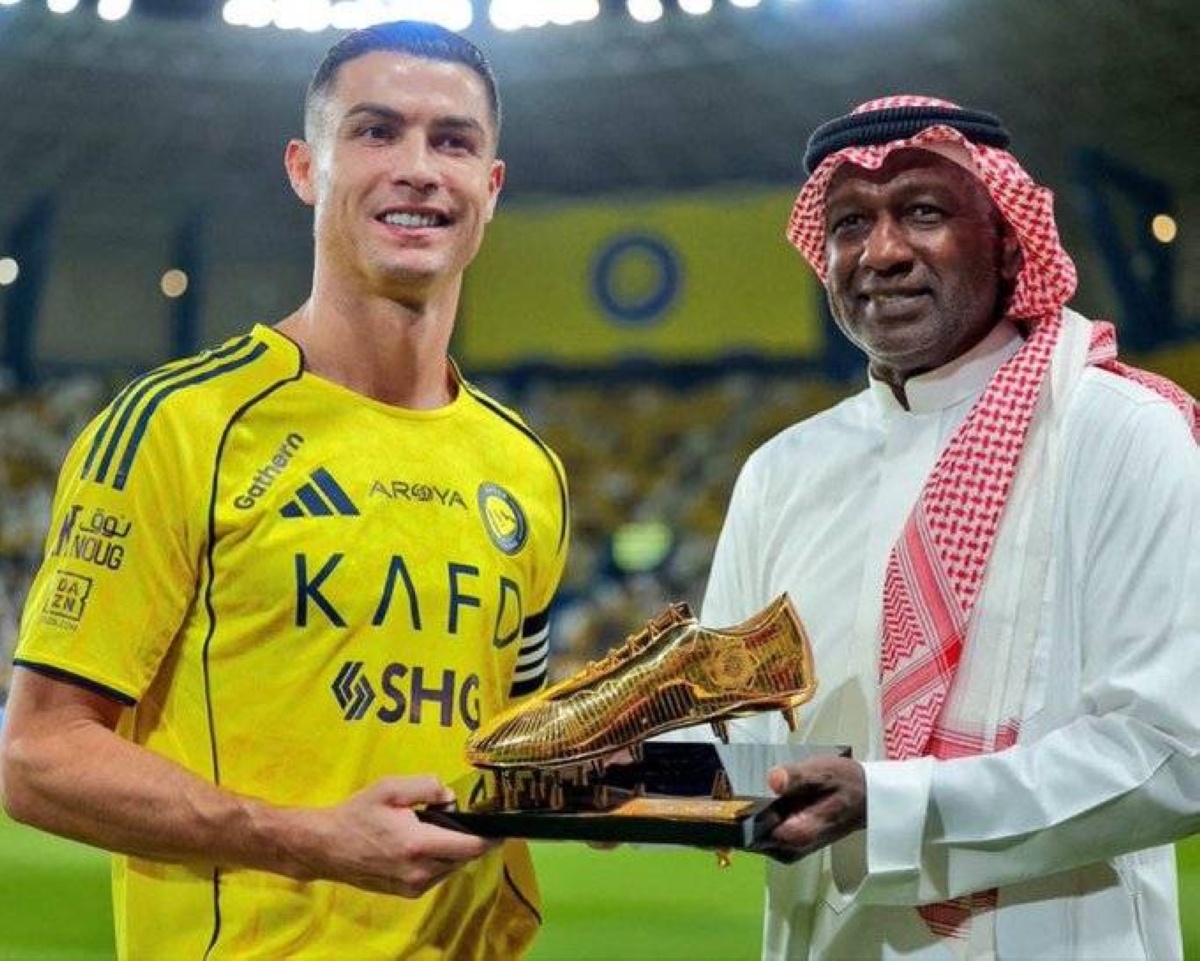
في لحظةٍ لا تُقاس بالزمن، بل تُقاس بعظمة من اجتمع فيها، وقف التاريخ متأملاً مشهداً جمع (أسطورتين) تحت راية النصر. هناك، حيث تتقاطع الطرق بين المجد الآسيوي والحضور الأوروبي، وبين ذاكرةٍ نُسجت بخيوط الذهب، وطموحٍ لا يعرف السكون، تتجلّى حكايةٌ لا تُروى بالأرقام، بل تُروى بالقلوب.
ماجد عبدالله (جوهرة العرب) و(جلاد آسيا)، لم يكن لاعباً عابراً في ذاكرة كرة القدم، بل كان أيقونة سعدٍ للسعودية كلها. لاعبٌ تخطّى حدود الأندية ليغدو رمزاً لوطنٍ بأكمله. قال عنه لاعبون عاصروه: «كان المهاجم الذي لا يحتاج إلى كثير من اللمسات ليصنع الفارق، حضوره وحده يُرعب الخصوم». وأسطورة الكرة الكويتية جاسم يعقوب أكد أن ماجد هو «أسطورة الكرة الآسيوية»، بل إنه يفضله على نفسه. أما الأمير فيصل بن فهد -رحمه الله- فكان يردد دائماً: «ماجد عبدالله ليس مجرد هدّاف، إنه قيمةٌ أخلاقيةٌ قبل أن يكون قيمة كروية». ووصف البرازيلي كارلوس ألبرتو بيريرا (مدرب منتخب البرازيل الفائز بكأس العالم 1994) ماجد عبد الله بأنه من أفضل عشرة مهاجمين في العالم، فيما وصفه البرازيلي زاجالو بأنه «رجل الأهداف» وأنه لاعب هداف من طراز ممتاز وداعم للفريق.
كان يُسجّل، ويزرع الاحترام حيثما حلّ، بتواضعه وأدبه واحترافيته التي سبقت زمنها. رفع النصر والمنتخب إلى المنصّات، وحمل الكرة السعودية إلى أول حضور عالمي وأول لقب آسيوي، حتى غدا الوجه الأجمل للكرة العربية والآسيوية. لذا وصفه النقاد بـ«بيليه العرب»؛ إذ أعطته آسيا ما أعطت البرازيل لملكها (بيليه)، ورأى فيه العرب أسطورة تليق بشعبية (مارادونا) في الأرجنتين.
أما كريستيانو رونالدو، فقد شقَّ طريقه من شوارع ماديرا حتى صار أعظم هدّاف في تاريخ دوري أبطال أوروبا. أسطورة حيّة صاغت نفسها بالعرق والتضحيات، حتى قال عنه زلاتان إبراهيموفيتش: «لم يُولد أسطورة، بل صنع نفسه حتى صار مثالاً للانضباط». وأكّد لوكا مودريتش: «كريستيانو يجعلنا نؤمن أن المستحيل ممكن، لا يتوقف عن القتال حتى آخر دقيقة».
هو اللاعب الذي جمع بين جسدٍ فولاذي وعقلٍ لا يعرف الاستسلام، حمل البرتغال إلى لقبٍ قاري طال انتظاره، وصار رمزاً وطنياً مثلما كان مارادونا للأرجنتين. حتى الأسطورة بيليه اعترف به قائلاً: «كريستيانو يذكّرني بما يعنيه أن تُكرّس حياتك لكرة القدم»، فيما وصفه أليكس فيرغسون: «هو أكثر لاعب امتلك إرادة حديدية دربته».
وعندما نضع اسم ماجد عبدالله إلى جانب كريستيانو رونالدو تحت راية النصر، فإننا لا نستحضر مجرد صورتين، بل نرسم لوحة لحضارتين كرويتين؛ الأول أسطورة آسيوية لا تتكرر، كان أيقونة الفرح ومُلهم الأجيال، والثاني ماكينة أوروبية لا تنطفئ، رمز الطموح الذي لا يعرف حدّاً.
إنهما معاً، يرويان حكاية كرة لا تُقاس فقط بالأهداف، بل بما تزرعه من قيمٍ وإلهام. حكاية أسطورتين نصراويتين حملتا أمانة المجد كلٌ في زمنه: ماجد الذي أحبّه العرب واحترمه الآسيويون جميعاً حتى صار فخر العرب وآسيا، وكريستيانو الذي أبهر العالم بأرقامه حتى صار فخر أوروبا. وكأن القدر شاء أن يلتقيا ليكتمل المشهد: بين الماضي المضيء والحاضر المشرف، بين أسطورتين تستحقان أن يُذكر اسماهما كما يُذكر بيليه ومارادونا في بلديهما وقارتهما وبين أقطار العالم.
ماجد ورونالدو تحت راية النصر
حين التقى المجد..
21 سبتمبر 2025 - 22:18
|
آخر تحديث 21 سبتمبر 2025 - 22:18


تابع قناة عكاظ على الواتساب
فهد صالح (جدة) @fahadoof_s
In a moment that cannot be measured by time, but rather by the greatness of those who gathered in it, history stood contemplating a scene that brought together two (legends) under the banner of victory. There, where the paths intersect between Asian glory and European presence, between a memory woven with threads of gold and an ambition that knows no rest, unfolds a story that is not told in numbers, but in hearts.
Majed Abdullah (the Jewel of the Arabs) and (the Executioner of Asia) was not just a fleeting player in the memory of football; he was a symbol of joy for all of Saudi Arabia. A player who transcended club boundaries to become a symbol for an entire nation. Players who played alongside him said: “He was the striker who didn’t need many touches to make a difference; his mere presence terrified opponents.” The legend of Kuwaiti football, Jassem Yaqoub, confirmed that Majed is “the legend of Asian football,” even preferring him over himself. As for Prince Faisal bin Fahd - may God have mercy on him - he always repeated: “Majed Abdullah is not just a scorer; he is a moral value before being a football value.” The Brazilian Carlos Alberto Parreira (the coach of the Brazilian national team that won the World Cup in 1994) described Majed Abdullah as one of the top ten strikers in the world, while the Brazilian Zagallo referred to him as “the man of goals” and a top-class scorer and team supporter.
He scored and planted respect wherever he went, with his humility, manners, and professionalism that preceded its time. He lifted Al-Nassr and the national team to the podiums and carried Saudi football to its first global presence and first Asian title, becoming the most beautiful face of Arab and Asian football. Thus, critics described him as the “Pele of the Arabs”; Asia gave him what Brazil gave to its king (Pele), and Arabs saw in him a legend worthy of the popularity of (Maradona) in Argentina.
As for Cristiano Ronaldo, he carved his path from the streets of Madeira to become the greatest scorer in the history of the UEFA Champions League. A living legend who forged himself through sweat and sacrifices, to the point that Zlatan Ibrahimović said: “He was not born a legend; he made himself into one until he became an example of discipline.” Luka Modrić confirmed: “Cristiano makes us believe that the impossible is possible; he doesn’t stop fighting until the last minute.”
He is the player who combines a steel body and a mind that knows no surrender, carrying Portugal to a long-awaited continental title, becoming a national symbol just as Maradona was for Argentina. Even the legend Pele acknowledged him, saying: “Cristiano reminds me of what it means to dedicate your life to football,” while Alex Ferguson described him as: “the player with the strongest will I have ever trained.”
When we place the name Majed Abdullah alongside Cristiano Ronaldo under the banner of victory, we are not merely conjuring two images; we are painting a picture of two footballing civilizations: the first, an irreplaceable Asian legend, was an icon of joy and an inspiration for generations, and the second, an unquenchable European machine, a symbol of ambition that knows no bounds.
Together, they tell a story of football that is measured not only by goals but by the values and inspiration it cultivates. A tale of two victorious legends who carried the trust of glory, each in their time: Majed, who was loved by Arabs and respected by all Asians until he became the pride of Arabs and Asia, and Cristiano, who dazzled the world with his numbers until he became the pride of Europe. It seems fate wanted them to meet to complete the scene: between the bright past and the honorable present, between two legends whose names deserve to be mentioned alongside Pele and Maradona in their countries, their continent, and across the world.
Majed Abdullah (the Jewel of the Arabs) and (the Executioner of Asia) was not just a fleeting player in the memory of football; he was a symbol of joy for all of Saudi Arabia. A player who transcended club boundaries to become a symbol for an entire nation. Players who played alongside him said: “He was the striker who didn’t need many touches to make a difference; his mere presence terrified opponents.” The legend of Kuwaiti football, Jassem Yaqoub, confirmed that Majed is “the legend of Asian football,” even preferring him over himself. As for Prince Faisal bin Fahd - may God have mercy on him - he always repeated: “Majed Abdullah is not just a scorer; he is a moral value before being a football value.” The Brazilian Carlos Alberto Parreira (the coach of the Brazilian national team that won the World Cup in 1994) described Majed Abdullah as one of the top ten strikers in the world, while the Brazilian Zagallo referred to him as “the man of goals” and a top-class scorer and team supporter.
He scored and planted respect wherever he went, with his humility, manners, and professionalism that preceded its time. He lifted Al-Nassr and the national team to the podiums and carried Saudi football to its first global presence and first Asian title, becoming the most beautiful face of Arab and Asian football. Thus, critics described him as the “Pele of the Arabs”; Asia gave him what Brazil gave to its king (Pele), and Arabs saw in him a legend worthy of the popularity of (Maradona) in Argentina.
As for Cristiano Ronaldo, he carved his path from the streets of Madeira to become the greatest scorer in the history of the UEFA Champions League. A living legend who forged himself through sweat and sacrifices, to the point that Zlatan Ibrahimović said: “He was not born a legend; he made himself into one until he became an example of discipline.” Luka Modrić confirmed: “Cristiano makes us believe that the impossible is possible; he doesn’t stop fighting until the last minute.”
He is the player who combines a steel body and a mind that knows no surrender, carrying Portugal to a long-awaited continental title, becoming a national symbol just as Maradona was for Argentina. Even the legend Pele acknowledged him, saying: “Cristiano reminds me of what it means to dedicate your life to football,” while Alex Ferguson described him as: “the player with the strongest will I have ever trained.”
When we place the name Majed Abdullah alongside Cristiano Ronaldo under the banner of victory, we are not merely conjuring two images; we are painting a picture of two footballing civilizations: the first, an irreplaceable Asian legend, was an icon of joy and an inspiration for generations, and the second, an unquenchable European machine, a symbol of ambition that knows no bounds.
Together, they tell a story of football that is measured not only by goals but by the values and inspiration it cultivates. A tale of two victorious legends who carried the trust of glory, each in their time: Majed, who was loved by Arabs and respected by all Asians until he became the pride of Arabs and Asia, and Cristiano, who dazzled the world with his numbers until he became the pride of Europe. It seems fate wanted them to meet to complete the scene: between the bright past and the honorable present, between two legends whose names deserve to be mentioned alongside Pele and Maradona in their countries, their continent, and across the world.


