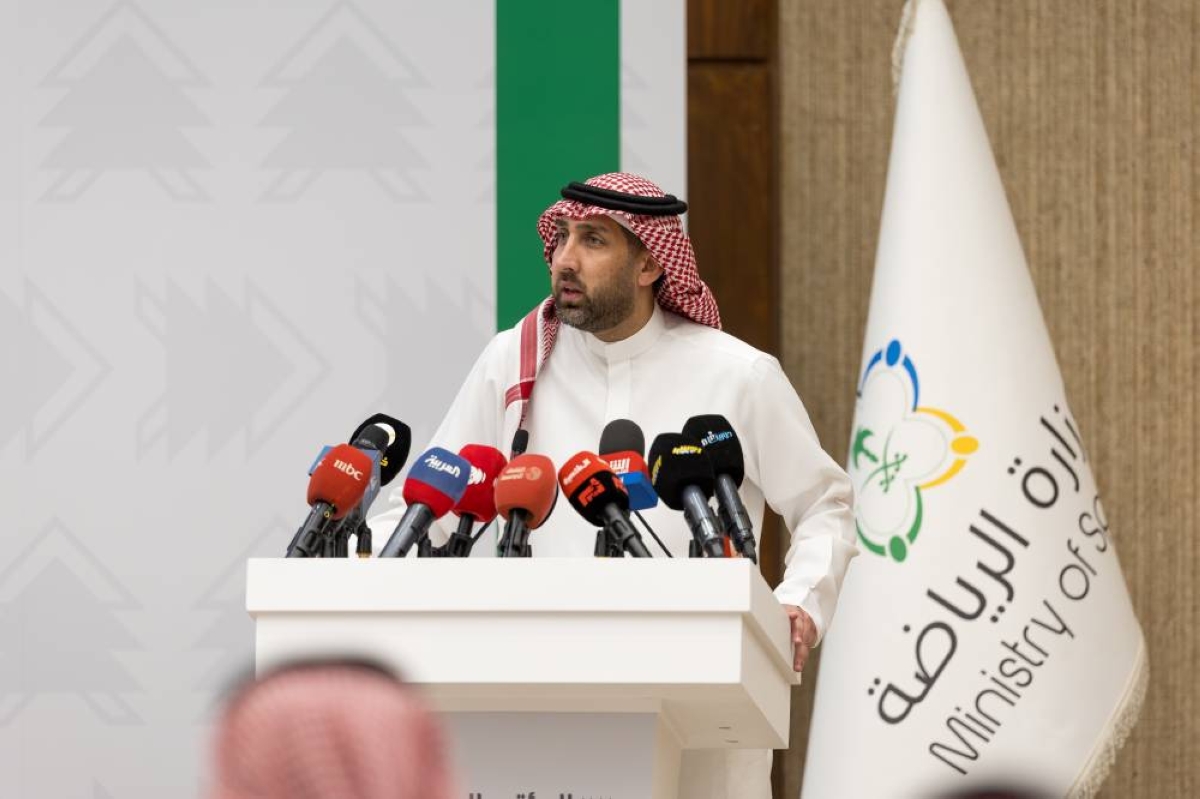
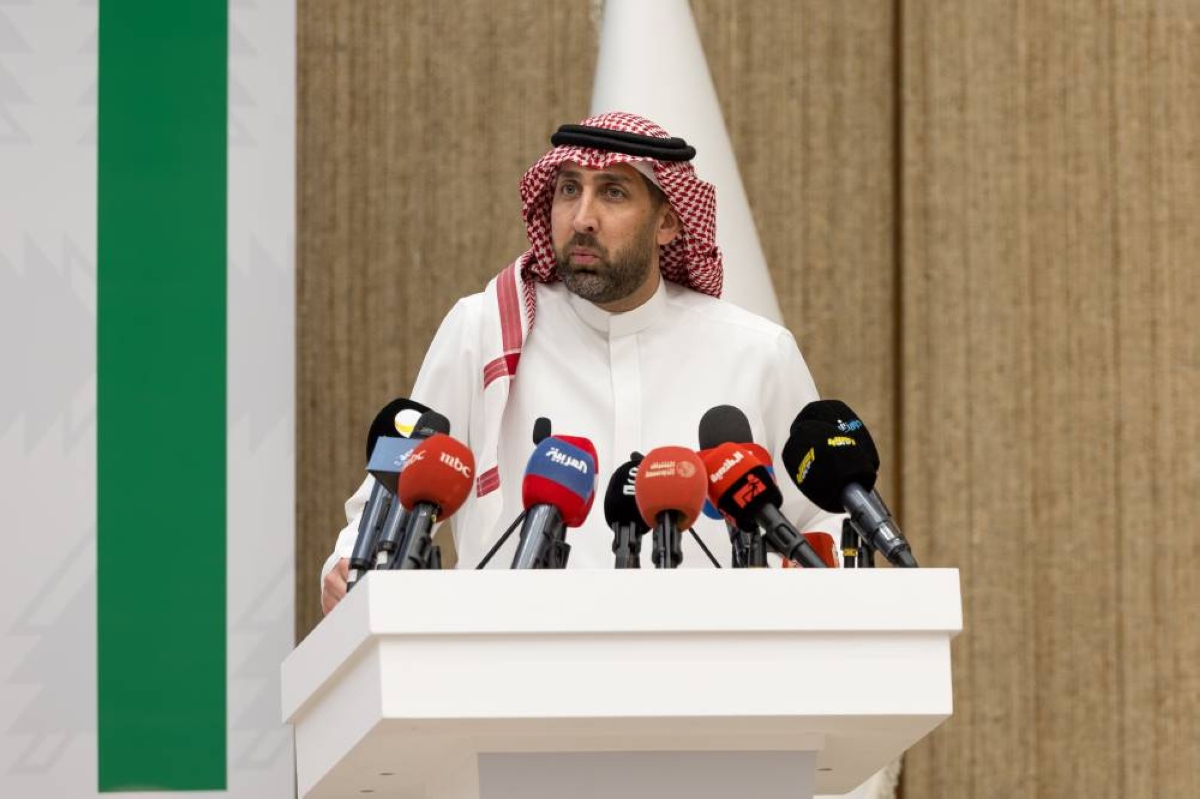
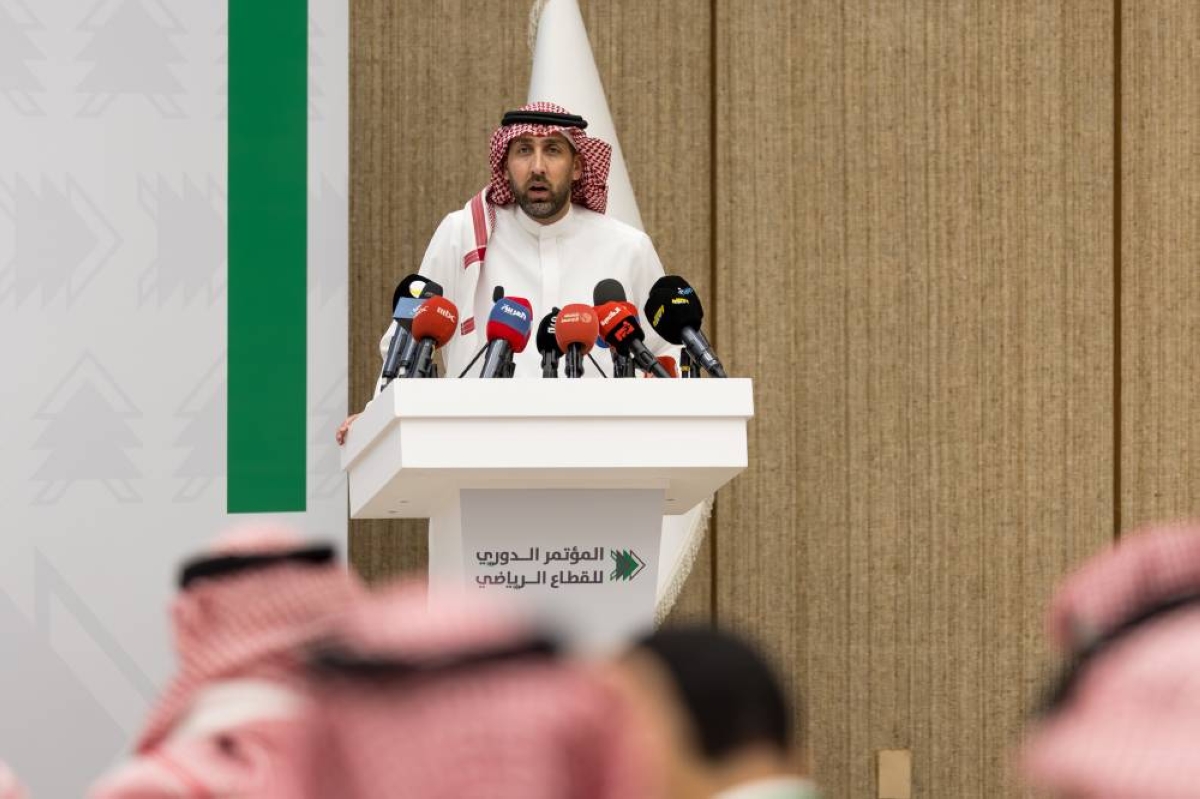
خلال ردّه على سؤال «عكاظ»، أكد مدير عام تشغيل المنشآت الرياضية في وزارة الرياضة أنس دهلوي، أن الوزارة تتجه إلى إشراك القطاع الخاص بشكل أكبر في تشغيل وإدارة الملاعب الرياضية،، بما يضمن تقديم تجربة ترفيهية متكاملة ومستدامة تدر دخلاً كبيراً على مدار العام، وليس فقط خلال مباريات كرة القدم، جاء ذلك خلال مؤتمر القطاع الرياضي، الذي عُقد اليوم (الإثنين) في العاصمة الرياض بمجمع الأمير فيصل بن فهد الأولمبي.
وأوضح أن هناك بالفعل خطوات عملية في هذا الاتجاه، إذ أُعلِن أخيراً طرح ثلاثة ملاعب في جدة أمام القطاع الخاص للاستثمار في إدارتها وتشغيلها وصيانتها، مشيراً إلى أن هذه الخطوة تأتي ضمن المستهدفات الاستراتيجية للمرحلة المقبلة.
وبيّن دهلوي أن الوزارة تعتمد على جدولة سنوية للصيانة تتم على فترتين رئيسيتين: الأولى في فترة الصيف بعد نهاية الموسم الرياضي، وتشمل إعادة زراعة الأرضية الصيفية، والثانية في فترة الشتاء حسب طبيعة كل منطقة وظروفها المناخية، مع مراعاة روزنامة المنافسات والأنشطة لضمان استمرار جاهزية الملاعب، مشيراً إلى أن الوزارة تراعي تقويم الأحداث الرياضية عند ترتيب الجداول.
وكشف دهلوي، خلال مؤتمر وزارة الرياضة الدوري، ملامح العمل المتعلّق بالمنشآت الرياضية وتشغيل الملاعب وتنظيم عملية بيع التذاكر، إضافة إلى آلية التعامل مع طلبات روابط الجماهير الخاصة بـ«التيفو» في دوري روشن للمحترفين.
وأوضح أن إجراءات السماح أو رفض التصاميم الخاصة بـ«التيفو» تراعي التوازن بين جمالية المدرج ومعايير الأمن والسلامة، مبيناً أن هناك خطوات واضحة يجب اتباعها، تبدأ بتسليم الملعب إلى النادي المستضيف قبل المباراة بـ48 ساعة، على أن يتقدّم النادي ورابطة المشجعين بطلب اعتماد «التيفو» قبل المباراة بـ10 أيام.
وأضاف: الطلب يُراجَع قبل يوم من المباراة مع الجهات المعنية، ويُبلّغ النادي والرابطة بالموافقة أو الملاحظات، وفي حال وجود ملاحظات تُعدَّل يوم المباراة. وأشار إلى أن الوزارة ساعدت الكثير من الأندية في الموسم الماضي، لافتاً إلى أن الشركات المنظمة هي التي تتسلّم الملعب ويكون لها دور في الموافقة أو المنع بالتنسيق مع النادي، بينما يقتصر دور وزارة الرياضة على الإشراف وتوحيد الإجراءات عبر لائحة عامة وزعت على الأندية.
وبيّن دهلوي أن عمل وكالة المنشآت الرياضية ينقسم إلى شقين متكاملين، الأول يرتبط بالمشاريع التنفيذية الرأسمالية التي تضمن تأهيل المنشآت الرياضية، أما الثاني فيرتبط بالتكاليف التشغيلية المتعلقة بالصيانة والأمن والسلامة وتشغيل المنشأة وتعظيم استخدام الأصل.
ولفت إلى أن إدارة التشغيل تتأكد من جاهزية المنشأة وتسليمها للجهات المستفيدة سواء للاتحاد السعودي لكرة القدم أو للاتحادات الرياضية الأخرى، مع الحرص على سلامة الحضور عبر اللوائح والضوابط التنظيمية.
وفي حديثه عن جاهزية المنشآت في العاصمة ومناطق المملكة الأخرى، أشار إلى أن هناك ضغطاً على منشآت الرياض من حيث العدد، إلا أن الوزارة تعمل على تجهيز منشآت في بقية المناطق، وأضاف أن الاستعدادات لموسم كرة القدم تبدأ مباشرة بعد انتهاء الموسم عبر صيانة دورية تستغرق شهرين فقط، مستشهداً بملعب الإنماء الذي جرى إحلال أرضيته ليكون مؤهلاً لاستضافة فعاليات إضافية.
كما أكد أن الشراكات الاستراتيجية مع القطاع الخاص تتم حالياً من خلال الأندية بالتعاون مع شركات إدارة الحشود.
وفيما يتعلق بتشغيل منشآت إضافية للموسم الرياضي 2025-2026، كشف ترميم خمس منشآت رياضية يجري العمل عليها حالياً، منها مدينة الملك خالد في تبوك المخصصة لاستضافة مباريات نادي نيوم، ومدينة الأمير محمد بن عبدالعزيز في المدينة المنورة لاستضافة مباريات نادي العلا، إضافة إلى ملعب التعليم بالرس، مؤكداً أنها ستكون جاهزة وفق جدول الدوري الرسمي.
وشدّد على أن هناك خطة متكاملة لتحسين البنية التحتية الرقمية عبر مشاريع قائمة في ملعب الإنماء وملعب الأمير عبدالله الفيصل، ستكتمل خلال الأعوام المقبلة، على أن تبدأ بعض المشروعات في الظهور مع الربع الأول من عام 2026.
In response to a question from "Okaz," the General Director of Sports Facility Operations at the Ministry of Sports, Anas Dahlowi, confirmed that the ministry is moving towards greater involvement of the private sector in the operation and management of sports stadiums, ensuring a comprehensive and sustainable entertainment experience that generates significant income throughout the year, not just during football matches. This was stated during the sports sector conference held today (Monday) in the capital, Riyadh, at the Prince Faisal bin Fahd Olympic Complex.
Dahlowi explained that there are indeed practical steps in this direction, as it was recently announced that three stadiums in Jeddah are open for investment by the private sector for their management, operation, and maintenance, indicating that this step is part of the strategic targets for the upcoming phase.
Dahlowi clarified that the ministry relies on an annual maintenance schedule divided into two main periods: the first in the summer after the end of the sports season, which includes replanting the summer turf, and the second in the winter according to the nature and climatic conditions of each region, taking into account the calendar of competitions and activities to ensure the stadiums remain ready. He noted that the ministry considers the sports events calendar when arranging the schedules.
Dahlowi revealed, during the Ministry of Sports' periodic conference, the outlines of work related to sports facilities, stadium operations, and the organization of ticket sales, in addition to the mechanism for handling requests from fan groups regarding "tifo" displays in the Roshan Professional League.
He explained that the procedures for approving or rejecting designs for "tifo" displays consider the balance between the aesthetics of the stands and safety and security standards, indicating that there are clear steps to follow, starting with handing over the stadium to the hosting club 48 hours before the match, with the club and the fan association required to submit a request for "tifo" approval 10 days before the match.
He added: The request is reviewed the day before the match with the relevant authorities, and the club and association are informed of the approval or any comments, and if there are comments, they are adjusted on the match day. He noted that the ministry assisted many clubs in the last season, pointing out that the organizing companies are the ones that receive the stadium and play a role in approval or denial in coordination with the club, while the ministry's role is limited to oversight and standardizing procedures through a general regulation distributed to the clubs.
Dahlowi indicated that the work of the Sports Facilities Agency is divided into two complementary parts: the first is related to capital execution projects that ensure the rehabilitation of sports facilities, while the second is related to operational costs concerning maintenance, security, safety, and facility operation to maximize the use of the asset.
He pointed out that the operations management ensures the readiness of the facility and its handover to the beneficiary entities, whether to the Saudi Football Federation or other sports federations, while ensuring the safety of attendees through regulations and organizational controls.
In discussing the readiness of facilities in the capital and other regions of the Kingdom, he noted that there is pressure on sports facilities in terms of numbers, but the ministry is working on preparing facilities in other regions. He added that preparations for the football season begin immediately after the end of the season through a periodic maintenance that takes only two months, citing the Al-Inma Stadium, which had its turf replaced to be qualified for hosting additional events.
He also confirmed that strategic partnerships with the private sector are currently being established through clubs in collaboration with crowd management companies.
Regarding the operation of additional facilities for the 2025-2026 sports season, he revealed that the renovation of five sports facilities is currently underway, including King Khalid City in Tabuk designated for hosting Neom Club matches, and Prince Mohammed bin Abdulaziz City in Medina for hosting Al-Ula Club matches, in addition to the Education Stadium in Al-Rass, confirming that they will be ready according to the official league schedule.
He emphasized that there is a comprehensive plan to improve digital infrastructure through ongoing projects at Al-Inma Stadium and Prince Abdullah Al-Faisal Stadium, which will be completed in the coming years, with some projects expected to emerge in the first quarter of 2026.