


فرض ريال مدريد هيمنته ليس فقط على المستطيل الأخضر، بل أيضاً في جدول العائدات المالية، بعدما عبر من دور المجموعات في كأس العالم للأندية المقامة حالياً في الولايات المتحدة الأمريكية، متصدراً قائمة الأكثر دخلاً بمبلغ إجمالي بلغ 43.55 مليون يورو، وهي حصيلة قابلة للارتفاع مع تقدمه في الأدوار القادمة.
وجاء مانشستر سيتي وصيفاً في سباق العائدات بـ42.51 مليون يورو، يليه بايرن ميونخ بـ37.6 مليون يورو. أما باريس سان جيرمان فحصد 37.09 مليون يورو، متقدماً على بوروسيا دورتموند 34.15 مليون يورو، وإنتر ميلان 32.35 مليون يورو، ما يعكس توازناً بين الأداء الرياضي والقيمة التجارية للأندية الأوروبية الكبرى.
ويبدو أن البطولة، التي تبدأ فعلياً من دور الـ16، أعادت رسم خارطة الجوائز المالية في كرة القدم، مع توزيع إجمالي 408.65 مليون يورو على الأندية الـ32 المشاركة حتى الآن، في واحدة من أضخم التوزيعات المالية في تاريخ بطولات الأندية.
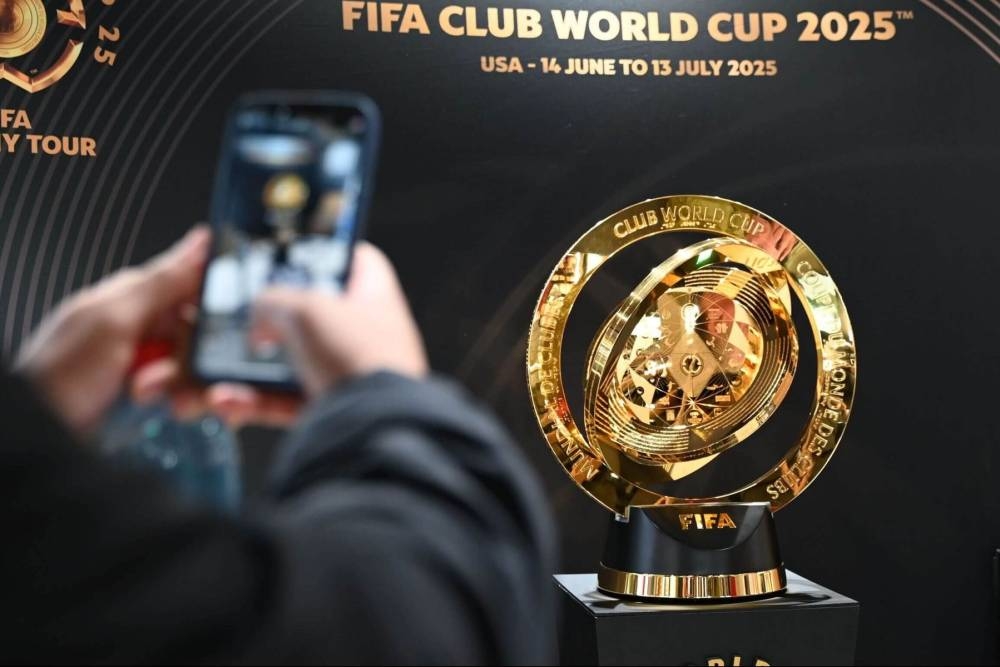
وحصل كل فريق تأهل إلى دور الـ16 على مكافأة ثابتة قدرها 6.45 مليون يورو، بينما ترتفع القيمة تدريجياً مع التقدم في الأدوار؛ إذ يحصل صاحب المركز الرابع على 11.28 مليون يورو، والثالث على 18 مليون يورو، بينما يُمنح الوصيف 25.8 مليون يورو، ويظفر البطل بالجائزة الكبرى البالغة 34.3 مليون يورو.
ومن الفرق التي استفادت مالياً من عبورها إلى دور الـ16، يوفنتوس الذي تلقى 26.99 مليون يورو، وبنفيكا 25.35 مليون، ثم ثلاثي البرازيل: فلامنغو بـ23.84 مليون، وبوتافوغو وبالميراس بـ22.98 مليون لكل منهما، إضافة إلى فلومينينسي بالقيمة ذاتها. تشيلسي جاء متأخراً نسبياً عند 21.49 مليون يورو، بينما حصل الثلاثي إنتر ميامي، مونتيري، والهلال على 18.11 مليون يورو لكل فريق.
أما من ودعوا البطولة مبكراً، فتصدّرهم أتلتيكو مدريد بعائد مالي بلغ 23.14 مليون يورو، يليه بورتو بـ18.42 مليون، وريفر بليت بـ15.67 مليون، وبوكا جونيورز بـ14.81 مليون، ثم سالزبورغ بـ13.6 مليون، فيما حصل صن داونز على 10.8 مليون يورو. وحصلت أندية الأهلي المصري، الترجي التونسي، والعين الإماراتي على قيمة مالية موحدة بلغت 9.94 مليون يورو لكل فريق، بينما جاءت أندية لوس أنجلوس بـ9.08 مليون، ثم سياتل، الوداد، وباتشوكا بـ8.22 مليون يورو، في حين كان أوكلاند سيتي الأقل ربحاً بـ3.94 مليون يورو.
وأظهرت حصيلة الجوائز المالية هيمنة أوروبية واضحة، إذ استحوذت أندية أوروبا على ما يقارب 65% من إجمالي التوزيع، بنحو 265.6 مليون يورو، تلتها أندية أمريكا الجنوبية بنسبة 20% بما يعادل 81.7 مليون يورو، ثم آسيا بحوالى 8% أي 32.7 مليون يورو، وأفريقيا بـ5% حوالى 20.4 مليون يورو، بينما توزعت النسبة المتبقية على أندية أمريكا الشمالية وأوقيانوسيا. ويكشف هذا التفاوت عن الفجوة الاقتصادية الكبيرة بين القارات، رغم وجود مشاركة واسعة، ويؤكد أن العوائد ما تزال ترتبط ارتباطاً وثيقاً بالحضور التجاري والتاريخي للأندية الأوروبية تحديداً.
تُبرز هذه الأرقام تزايد الوزن الاقتصادي للبطولات القارية والدولية، وتكشف عن تحول واضح في هيكل الجوائز، إذ باتت المشاركة وحدها كفيلة بجلب ملايين الدولارات، ما يبرر التنافس الشرس بين الأندية العالمية على حجز مقعد في البطولة، ليس فقط للفوز بالكأس، بل أيضاً للحصول على جزء معتبر من كعكة مالية باتت تُضاهي الجوائز القارية.
ويُلاحظ أن الهيمنة الاقتصادية ما تزال أوروبية بامتياز، إذ استحوذت أندية القارة العجوز على النسبة الأكبر من العوائد، بينما نجحت بعض أندية أمريكا الجنوبية والشرق الأوسط في اختراق هذه المنظومة تدريجياً، ما يُعزز من ملامح التوازن الجديد في خارطة كرة القدم العالمية.
ريال مدريد الأعلى دخلاً في البطولة..
أرقام تاريخية في عوائد مونديال الأندية
28 يونيو 2025 - 20:07
|
آخر تحديث 28 يونيو 2025 - 20:10


تابع قناة عكاظ على الواتساب
عبدالعزيز النهدي (جدة) abdullazizNahdi@
Real Madrid has asserted its dominance not only on the pitch but also in the financial revenue table, having advanced from the group stage of the Club World Cup currently taking place in the United States, topping the list of highest earners with a total amount of €43.55 million, a figure that is likely to increase as they progress in the upcoming rounds.
Manchester City came in second in the revenue race with €42.51 million, followed by Bayern Munich with €37.6 million. Paris Saint-Germain earned €37.09 million, ahead of Borussia Dortmund with €34.15 million and Inter Milan with €32.35 million, reflecting a balance between sporting performance and the commercial value of major European clubs.
The tournament, which effectively starts from the Round of 16, seems to have reshaped the financial prize map in football, with a total of €408.65 million distributed among the 32 participating clubs so far, marking one of the largest financial distributions in the history of club tournaments.
Each team that qualified for the Round of 16 received a fixed bonus of €6.45 million, while the value gradually increases as they advance in the rounds; the fourth place receives €11.28 million, the third €18 million, the runner-up is awarded €25.8 million, and the champion takes home the grand prize of €34.3 million.
Among the teams that benefited financially from advancing to the Round of 16 are Juventus, which received €26.99 million, Benfica with €25.35 million, and the Brazilian trio: Flamengo with €23.84 million, Botafogo and Palmeiras with €22.98 million each, along with Fluminense at the same value. Chelsea came in relatively late at €21.49 million, while the trio of Inter Miami, Monterrey, and Al Hilal received €18.11 million each.
As for those who exited the tournament early, Atlético Madrid topped them with a financial return of €23.14 million, followed by Porto with €18.42 million, River Plate with €15.67 million, Boca Juniors with €14.81 million, and Salzburg with €13.6 million, while Sundowns received €10.8 million. Egyptian club Al Ahly, Tunisian club Esperance, and Emirati club Al Ain each received a unified amount of €9.94 million, while Los Angeles clubs received €9.08 million, followed by Seattle, Wydad, and Pachuca with €8.22 million, while Auckland City was the lowest earner with €3.94 million.
The financial prize distribution clearly shows European dominance, as European clubs accounted for nearly 65% of the total distribution, amounting to about €265.6 million, followed by South American clubs at 20%, equivalent to €81.7 million, then Asia with about 8%, or €32.7 million, and Africa at 5%, around €20.4 million, while the remaining percentage was distributed among North American and Oceanian clubs. This disparity reveals the significant economic gap between the continents, despite wide participation, and confirms that revenues are still closely linked to the commercial and historical presence of European clubs in particular.
These figures highlight the increasing economic weight of continental and international tournaments and reveal a clear shift in the prize structure, as mere participation is now sufficient to bring in millions of dollars, justifying the fierce competition among global clubs to secure a spot in the tournament, not only to win the trophy but also to obtain a significant share of a financial pie that now rivals continental prizes.
It is noted that economic dominance remains distinctly European, as clubs from the old continent captured the largest share of revenues, while some South American and Middle Eastern clubs have gradually managed to penetrate this system, enhancing the new balance in the global football landscape.
Manchester City came in second in the revenue race with €42.51 million, followed by Bayern Munich with €37.6 million. Paris Saint-Germain earned €37.09 million, ahead of Borussia Dortmund with €34.15 million and Inter Milan with €32.35 million, reflecting a balance between sporting performance and the commercial value of major European clubs.
The tournament, which effectively starts from the Round of 16, seems to have reshaped the financial prize map in football, with a total of €408.65 million distributed among the 32 participating clubs so far, marking one of the largest financial distributions in the history of club tournaments.
Each team that qualified for the Round of 16 received a fixed bonus of €6.45 million, while the value gradually increases as they advance in the rounds; the fourth place receives €11.28 million, the third €18 million, the runner-up is awarded €25.8 million, and the champion takes home the grand prize of €34.3 million.
Among the teams that benefited financially from advancing to the Round of 16 are Juventus, which received €26.99 million, Benfica with €25.35 million, and the Brazilian trio: Flamengo with €23.84 million, Botafogo and Palmeiras with €22.98 million each, along with Fluminense at the same value. Chelsea came in relatively late at €21.49 million, while the trio of Inter Miami, Monterrey, and Al Hilal received €18.11 million each.
As for those who exited the tournament early, Atlético Madrid topped them with a financial return of €23.14 million, followed by Porto with €18.42 million, River Plate with €15.67 million, Boca Juniors with €14.81 million, and Salzburg with €13.6 million, while Sundowns received €10.8 million. Egyptian club Al Ahly, Tunisian club Esperance, and Emirati club Al Ain each received a unified amount of €9.94 million, while Los Angeles clubs received €9.08 million, followed by Seattle, Wydad, and Pachuca with €8.22 million, while Auckland City was the lowest earner with €3.94 million.
The financial prize distribution clearly shows European dominance, as European clubs accounted for nearly 65% of the total distribution, amounting to about €265.6 million, followed by South American clubs at 20%, equivalent to €81.7 million, then Asia with about 8%, or €32.7 million, and Africa at 5%, around €20.4 million, while the remaining percentage was distributed among North American and Oceanian clubs. This disparity reveals the significant economic gap between the continents, despite wide participation, and confirms that revenues are still closely linked to the commercial and historical presence of European clubs in particular.
These figures highlight the increasing economic weight of continental and international tournaments and reveal a clear shift in the prize structure, as mere participation is now sufficient to bring in millions of dollars, justifying the fierce competition among global clubs to secure a spot in the tournament, not only to win the trophy but also to obtain a significant share of a financial pie that now rivals continental prizes.
It is noted that economic dominance remains distinctly European, as clubs from the old continent captured the largest share of revenues, while some South American and Middle Eastern clubs have gradually managed to penetrate this system, enhancing the new balance in the global football landscape.


