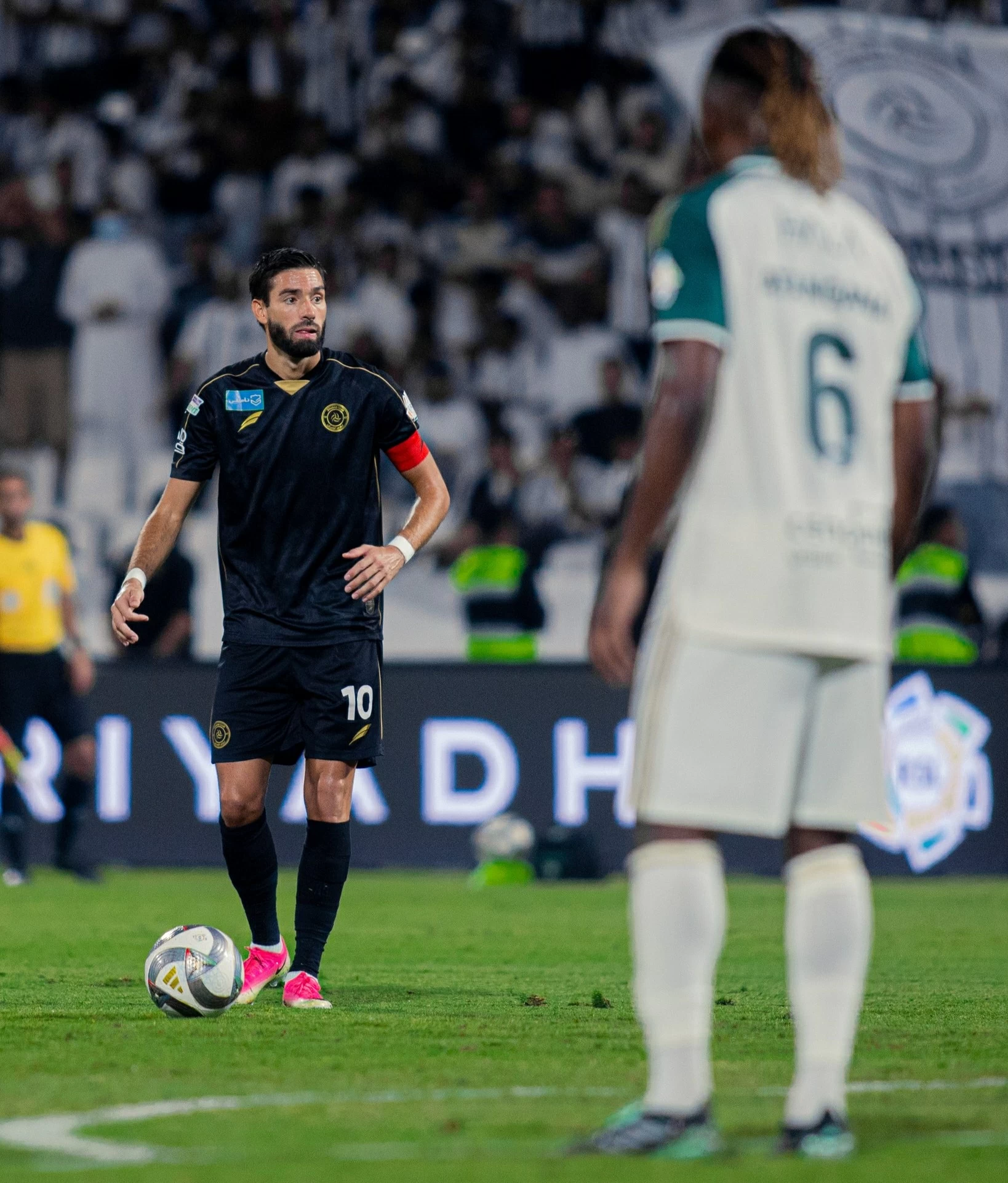
هل بدأت الخسارة من تشكيل المدرب، أم من تنفيذ اللاعبين، أم من تأخر معالجة الخلل؟ للانتصار ألف أب، وللهزيمة أيضاً ألف سبب، لكن قراءة سداسية الشباب في مرمى الأهلي تقود إلى أخطاء مترابطة: مسافات مفتوحة، وارتداد بطيء، وتدخل فني متأخر.
يفكك المحاضر الآسيوي في كرة القدم الدكتور يحيى جابر، في قراءة فنية لـ «عكاظ»، أسباب الخسارة عبر عدة محاور، حيث يشير إلى أن أسباب السداسية توزعت بين تنظيم الفريق، وتنفيذ اللاعبين، وتوقيت تدخل الجهاز الفني، والانهيار الذهني لاحقاً ضاعف أثر الخلل داخل الملعب.
التماسك الدفاعي:
اتساع المسافات بين المدافعين وغياب التغطية المتبادلة سهّلا اختراق الدفاع والوصول إلى المرمى.
بطء التحولات:
تأخر ارتداد لاعبي الوسط والأطراف ترك الخط الخلفي مكشوفاً أمام الهجمات المرتدة، ومنح الشباب المساحة لاستثمار اندفاعه.
فقدان السيطرة:
عجز الأهلي عن تعطيل بناء الهجمة الشبابية، وفقد السيطرة على منطقة المناورة، فاستمر وصول المنافس إلى مناطق الخطورة.
إدارة المباراة:
تأخر التدخل الفني في إغلاق المساحات ومعالجة الخلل، ولم ينجح الفريق في احتواء اندفاع الشباب، الذي ترجم أفضليته بفاعلية أمام المرمى.
الاستجابة الذهنية:
أضعفت الأهداف المتتالية التركيز والثقة، فتراجعت قدرة اللاعبين على احتواء المباراة واتسعت النتيجة.
Did the loss start from the coach's formation, from the players' execution, or from the delayed correction of the flaws? Victory has a thousand fathers, and defeat also has a thousand reasons, but analyzing the six goals scored by Al-Shabab against Al-Ahli leads to interconnected mistakes: open spaces, slow recovery, and late technical intervention.
The Asian football lecturer Dr. Yahya Jaber breaks down the reasons for the loss in a technical analysis for "Okaz," pointing out that the causes of the six goals were distributed among team organization, player execution, the timing of the coaching staff's intervention, and the subsequent mental collapse that amplified the impact of the flaws on the field.
Defensive Cohesion:
The widening gaps between defenders and the absence of mutual coverage made it easy to breach the defense and reach the goal.
Slow Transitions:
The delayed recovery of midfield and wing players left the back line exposed to counterattacks, allowing Al-Shabab the space to capitalize on their momentum.
Loss of Control:
Al-Ahli failed to disrupt Al-Shabab's attacking build-up and lost control of the midfield area, allowing the opponent to continue reaching dangerous areas.
Game Management:
The delay in technical intervention to close spaces and address the flaws was evident, and the team did not succeed in containing Al-Shabab's momentum, which effectively translated their advantage in front of goal.
Mental Response:
The consecutive goals weakened focus and confidence, diminishing the players' ability to manage the game and widening the scoreline.