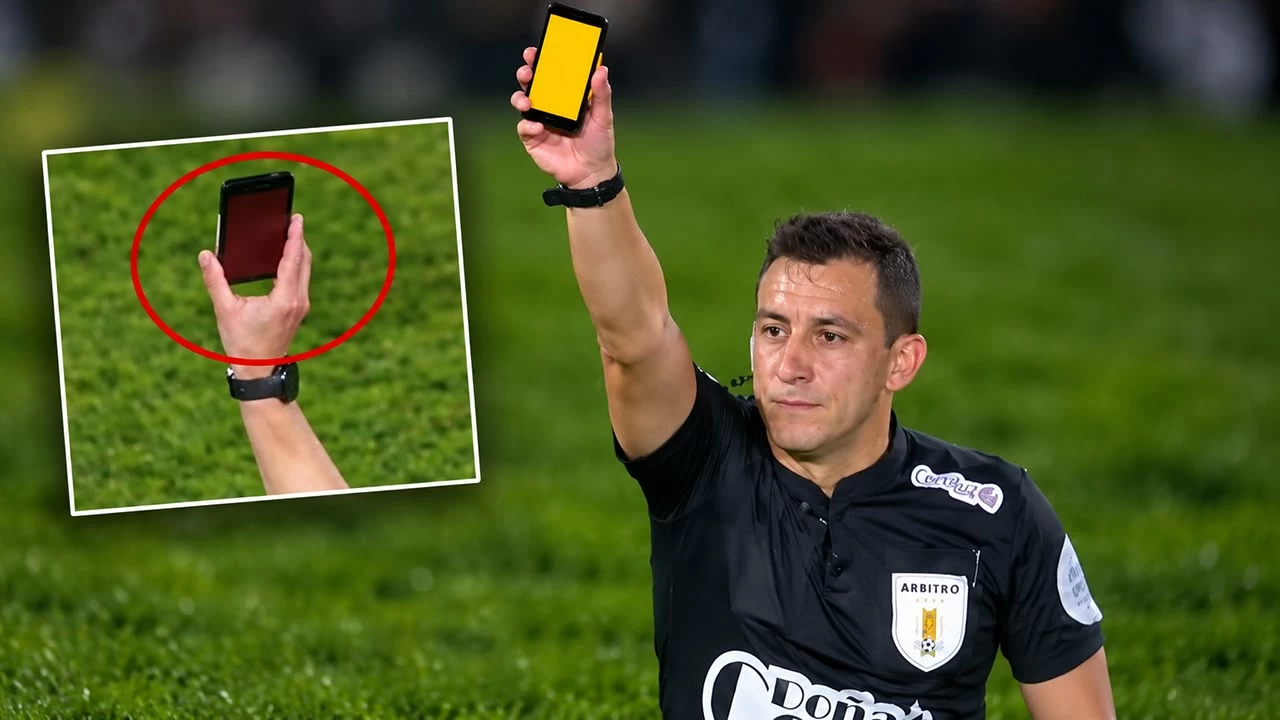
شهدت ملاعب كرة القدم في أوروغواي تحولاً تكنولوجياً غير مسبوق قد يغير وجه اللعبة مستقبلاً، حيث تخلى الحكام عن البطاقات التقليدية المعتادة في الجيب واستبدلوها بأجهزة رقمية ذكية تُعلن القرارات التأديبية بلمسة شاشة.
دخول التاريخ من بوابة الكأس
في مواجهة تاريخية لحساب بطولة الكأس المحلية، جمعت بين ناديي ناسيونال ورينتيستاس، دخل طاقم التحكيم بقيادة الحكم إدواردو فاريلا وهو يحمل أجهزة إلكترونية تشبه الهواتف المحمولة مخصصة لإدارة اللقاء، في تجربة هي الأولى من نوعها بالبلاد والمطورة كلياً لتجاوز الأدوات التقليدية.
أول طرد وإنذار إلكتروني في الملاعب
المباراة التي انتهت بفوز ناسيونال بثلاثية نظيفة، شهدت تدوين اسمين في السجلات التاريخية للتقنية الجديدة وهما خوان بابلو بلادا: نجم رينتيستاس، الذي أصبح أول لاعب يتلقى إنذاراً رقمياً (بطاقة صفراء) في تاريخ الملاعب الأوروغويانية، أما اللاعب ناهويل جيلوس: نجم ناسيونال، الذي دخل التاريخ من الباب الضيق في الدقيقة التسعين، بعدما أُشهرت في وجهه أول بطاقة حمراء رقمية بضغطة زر ليغادر الملعب مطروداً.
غرفة تحكم ذكية في يد الحكم
تتخطى وظيفة هذا الجهاز الإلكتروني مجرد إضاءة الشاشة بلون العقوبة؛ إذ يمثل منظومة ربط متكاملة تُسهل إدارة المباريات لوجستياً عبر: التوثيق الشامل الفوري: يتيح للحكم تسجيل الأهداف، التبديلات، والملاحظات الإدارية بدقة متناهية أثناء سير اللقاء. وكذلك التحول الكامل إلى الرقمنة: يقوم النظام بجمع كافة أحداث اللقاء وإرسال تقرير المباراة الإلكتروني مباشرة إلى الاتحاد المحلي فور إطلاق صافرة النهاية، مما يغني تماماً عن المعاملات والتقارير الورقية التقليدية.
ربط مباشر مع غرف الأخبار
تستهدف الخطوة المستقبلية لهذه التكنولوجيا الثورية ربط الأجهزة التحكيمية مباشرة بوسائل الإعلام ووكالات الأنباء، مما يسمح بتدفق البيانات وتفاصيل المباراة من يد حكم الساحة إلى غرف الأخبار وشاشات التلفزيون لحظة بلحظة وفور حدوثها.
The football fields in Uruguay have witnessed an unprecedented technological transformation that may change the face of the game in the future, as referees have abandoned the traditional cards usually kept in their pockets and replaced them with smart digital devices that announce disciplinary decisions with a touch of the screen.
Entering history through the cup
In a historic match for the local cup championship, featuring the clubs Nacional and Rentistas, the officiating crew led by referee Eduardo Varela entered the field carrying electronic devices resembling mobile phones designed to manage the match, in a first-of-its-kind experiment in the country, fully developed to surpass traditional tools.
The first electronic red card and yellow card on the field
The match, which ended with Nacional winning 3-0, recorded two names in the historical records of this new technology: Juan Pablo Blada, the star of Rentistas, who became the first player to receive a digital warning (yellow card) in the history of Uruguayan football, and Nahuel Gilos, the star of Nacional, who entered history through the narrow door in the ninetieth minute, after the first digital red card was shown to him at the push of a button, sending him off the field.
Smart control room in the referee's hand
The function of this electronic device goes beyond merely lighting up the screen in the color of the penalty; it represents a comprehensive linking system that facilitates the logistical management of matches through: instant comprehensive documentation, allowing the referee to record goals, substitutions, and administrative notes with utmost precision during the match. Additionally, the complete transition to digitization: the system collects all match events and sends the electronic match report directly to the local federation immediately after the final whistle, completely eliminating the need for traditional paper transactions and reports.
Direct connection with newsrooms
The next step for this revolutionary technology aims to connect officiating devices directly with media outlets and news agencies, allowing for the flow of data and match details from the referee's hand to newsrooms and television screens moment by moment as they occur.