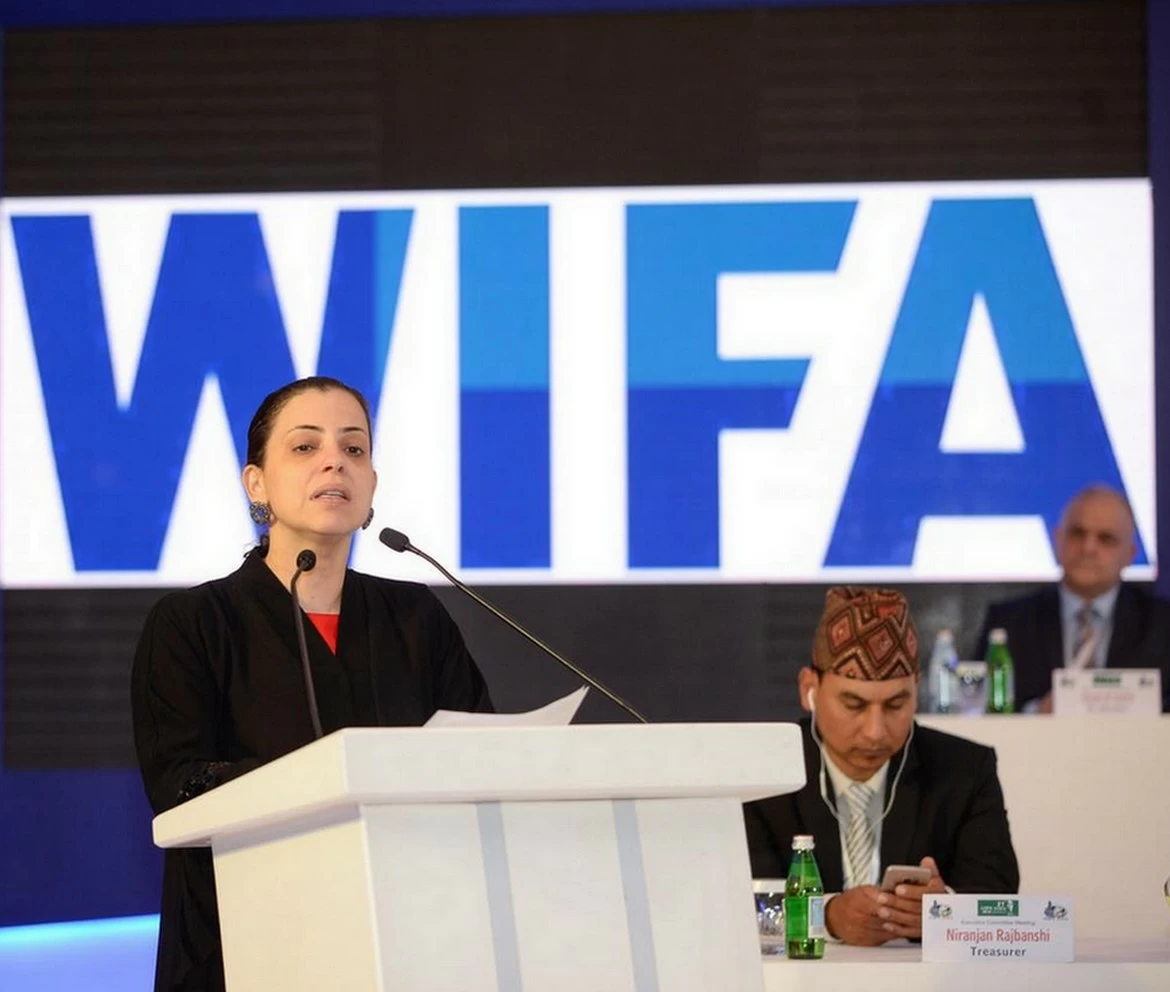
أكدت المتحدثة باسم اتحاد المرأة الدولي لكرة القدم (WIFA) ديما السائح لـ«عكاظ»، أن كرة القدم النسائية تشهد طفرة هائلة في الجوانب الفنية والتكتيكية، مشيرة إلى أن اللعبة تعيش حالياً حقبة «الكرة الشاملة»، بعد انتقالها من الاعتماد على الفرديات إلى النضج التكتيكي العالي، والضغط المكثف، والسرعة الفائقة في نقل الكرة، مع تقلص الفوارق البدنية مقارنة بمنافسات الرجال.
وأوضحت السائح أن «WIFA» يتطلع إلى تنفيذ «إستراتيجية 2040»، الهادفة إلى تنظيم الروابط والنوادي النسائية لكرة القدم ضمن إطار مؤسسي فاعل، يرفع حجم ممارسة اللعبة ويزيد من جاذبيتها وتشويقها، على غرار كرة القدم للرجال.
وأبدت إعجابها بالتطور المتسارع لكرة القدم النسائية السعودية، قائلة: «الكرة السعودية حققت طفرة مذهلة، واللاعبات السعوديات اختصرن الزمن في وقت قياسي»، مشددة على أن تطوير الجيل الحالي يتطلب التركيز على ثلاثة محاور رئيسية، تتمثل في تكثيف الاحتكاك الدولي لزيادة الخبرة التنافسية، وتعزيز الوعي التكتيكي المركب، ورفع معدلات التحمل البدني.
وبيّنت أن الانتقال بكرة القدم النسائية من مرحلة الانتشار إلى صناعة منافسة قوية ومستدامة يتطلب الاستثمار المستمر في القواعد والبراعم (Grassroots)، وتأسيس الأكاديميات، بالتوازي مع حوكمة الأندية وتطوير الجوانب الاستثمارية والتجارية، بما يضمن بناء بيئة احترافية متكاملة.
وكشفت السائح أن الاتحاد يتأهب لإطلاق وتوسيع بطولات الفئات السنية والشابات لضمان التدرج الاحترافي، إضافة إلى العمل على تنشيط اللعبة تدريجياً من خلال تنظيم مباريات ودية بين الفرق النسائية، بهدف اعتياد الجمهور على حضور المباريات وتشجيع الفرق النسائية.
وأضافت أن الخطط تتضمن مضاعفة الجوائز المالية، وتطبيق أعلى معايير النقل التلفزيوني والتحكيم، واستخدام التقنيات الرقمية المتقدمة، إلى جانب ربط العوائد المالية بدعم مبادرات تنموية وإنسانية في مجالات الصحة والتعليم والاستجابة لحالات الإغاثة العاجلة في الأزمات والكوارث، على أن يتم ذلك عبر مؤسسة «WIFA» للأعمال الإنسانية.
وفي ما يتعلق باعتماد الفرق، أكدت أن الاتحاد يعتمد نظام تصنيف فني صارماً يحقق عدالة الاستحقاق، إلى جانب اشتراط تراخيص للأندية تضمن وجود ملاعب متطورة وعقود احترافية تحمي اللاعبات، معتبرة أن هذه البيئة تمنح اللاعبات احتكاكاً عالي المستوى يسهم في رفع جاهزيتهن الذهنية والبدنية.
وأشارت السائح إلى أن «WIFA» يعمل على زيادة مقاعد الفرق المشاركة دولياً لدعم الاتحادات الصاعدة، بالتنسيق والتعاون الإيجابي مع الاتحاد الدولي لكرة القدم «FIFA»، بالتوازي مع مرونة لوائح الانتقالات لتسهيل استقطاب نخبة اللاعبات والمدربين العالميين، لافتة إلى أن الدوري السعودي للسيدات يقدم اليوم أنموذجاً ناجحاً في هذا الجانب.
وكشفت المتحدثة الرسمية باسم «WIFA» لـ«عكاظ» أن الاتحاد يبحث ضمن ورقة عمل مستقبلية مدى إمكانية إقامة بطولة دولية لكرة القدم النسائية بعد عامين من تنظيم مونديال الرياض 2034، للاستفادة من البنية التحتية للمنشآت الرياضية واستمرار زخم النجاح المتوقع لمونديال السعودية، مؤكدة أن تجسيد هذا المخطط على أرض الواقع يعتمد على ترحيب وتعاون الجهات المختصة في المملكة.
The spokesperson for the International Women's Football Association (WIFA), Dima Al-Saeh, confirmed to "Okaz" that women's football is witnessing a tremendous surge in technical and tactical aspects, noting that the game is currently experiencing an era of "total football," having transitioned from reliance on individual talents to high tactical maturity, intense pressing, and exceptional speed in ball movement, with reduced physical differences compared to men's competitions.
Al-Saeh explained that WIFA aims to implement the "2040 Strategy," which seeks to organize women's football associations and clubs within an effective institutional framework, increasing the volume of game participation and enhancing its appeal and excitement, similar to men's football.
She expressed admiration for the rapid development of Saudi women's football, stating: "Saudi football has achieved an astonishing leap, and Saudi players have shortened the timeline in record time," emphasizing that the development of the current generation requires focusing on three main axes: intensifying international exposure to increase competitive experience, enhancing complex tactical awareness, and improving physical endurance rates.
She indicated that transitioning women's football from a phase of expansion to creating a strong and sustainable competition requires continuous investment in grassroots and youth development, establishing academies, alongside club governance and developing investment and commercial aspects, ensuring the establishment of a comprehensive professional environment.
Al-Saeh revealed that the association is preparing to launch and expand age-group and youth tournaments to ensure professional progression, in addition to gradually activating the game by organizing friendly matches between women's teams, aimed at getting the audience accustomed to attending matches and supporting women's teams.
She added that the plans include doubling financial prizes, applying the highest standards of broadcasting and refereeing, utilizing advanced digital technologies, as well as linking financial returns to supporting developmental and humanitarian initiatives in health, education, and responding to urgent relief cases during crises and disasters, to be done through the WIFA Foundation for humanitarian work.
Regarding team accreditation, she confirmed that the association adopts a strict technical classification system that ensures fairness in merit, alongside requiring licenses for clubs that guarantee the presence of advanced facilities and professional contracts that protect the players, considering that this environment provides players with high-level exposure that contributes to enhancing their mental and physical readiness.
Al-Saeh pointed out that WIFA is working to increase the number of teams participating internationally to support emerging federations, in coordination and positive cooperation with the International Football Federation (FIFA), alongside flexible transfer regulations to facilitate attracting elite players and coaches from around the world, noting that the Saudi Women's League today presents a successful model in this regard.
The official spokesperson for WIFA revealed to "Okaz" that the association is exploring, within a future working paper, the possibility of hosting an international women's football tournament two years after organizing the Riyadh 2034 World Cup, to benefit from the infrastructure of sports facilities and to maintain the momentum of the expected success of the Saudi World Cup, confirming that bringing this plan to fruition depends on the welcome and cooperation of the relevant authorities in the Kingdom.