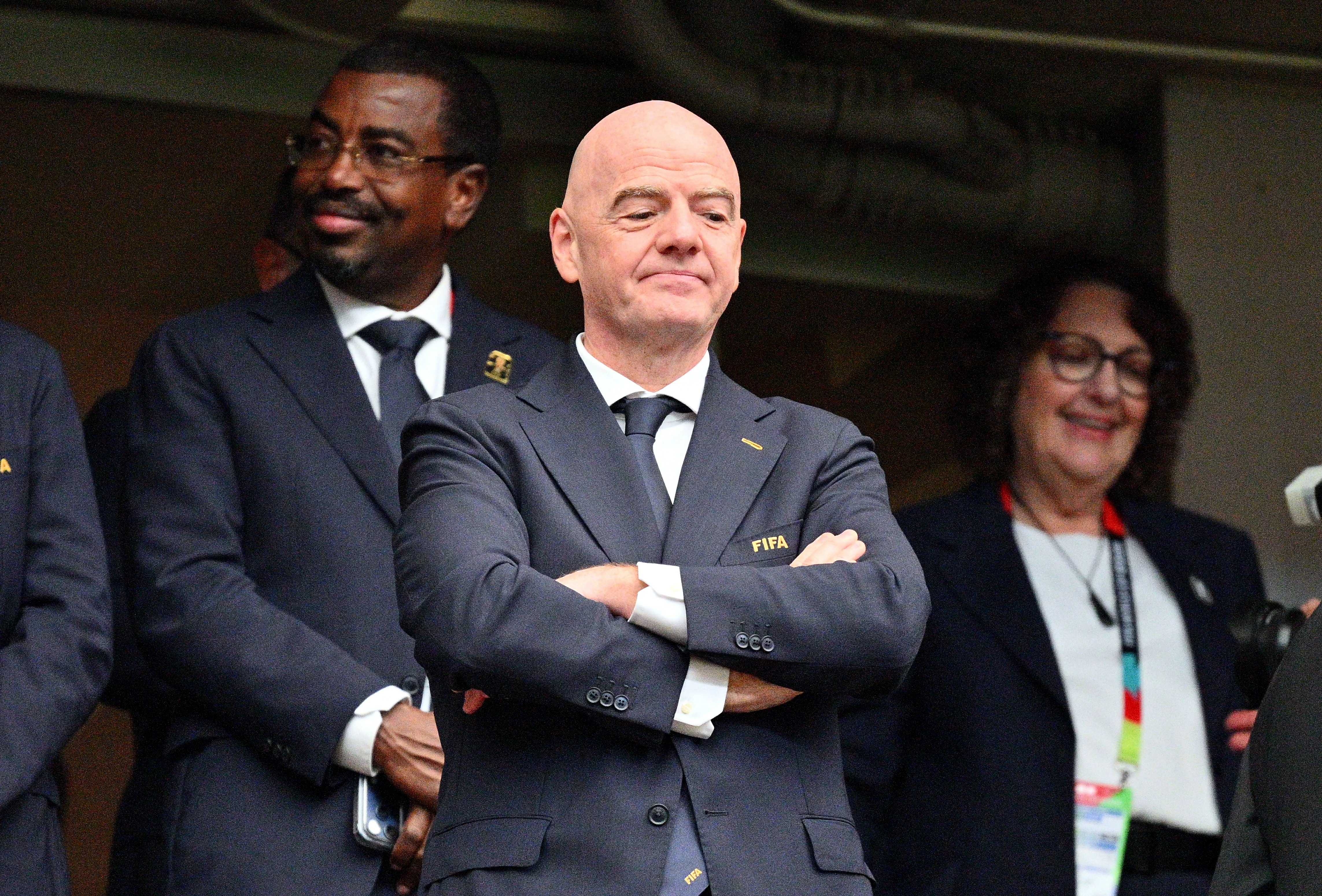
فتح قرار الاتحاد الدولي لكرة القدم «فيفا» تعليق إيقاف مهاجم المنتخب الأمريكي فولارين بالوغون قبل مواجهة بلجيكا في دور الـ16 من كأس العالم 2026، باباً واسعاً أمام سؤال يتجاوز حالة لاعب واحد: هل ما زالت قرارات «فيفا» الانضباطية تُدار داخل النصوص واللوائح، أم أن السياسة بدأت تدخل من بوابة الدولة المضيفة؟
القضية بدأت ببطاقة حمراء مباشرة تلقاها بالوغون أمام البوسنة والهرسك، وهي عقوبة يفترض أن تقود تلقائياً إلى غيابه عن المباراة التالية. لوائح كأس العالم 2026 تنص في المادة 10-5 على أن أي لاعب أو مسؤول يُطرد ببطاقة حمراء مباشرة أو غير مباشرة يوقف تلقائياً عن المباراة اللاحقة، مع إمكانية فرض عقوبات إضافية.
لكن «فيفا» استند إلى المادة 27 من لائحته التأديبية، التي تمنح الجهة القضائية صلاحية تعليق تنفيذ العقوبة كلياً أو جزئياً، مع وضع المعاقب تحت فترة اختبار تمتد من سنة إلى 4 سنوات. وهنا ظهر التناقض الذي أثار غضب الاتحاد البلجيكي: فالمادة 66-4 من اللائحة التأديبية ذاتها تنص على أن الطرد يؤدي تلقائياً إلى الإيقاف في المباراة التالية، مع بقاء حق «فيفا» في فرض عقوبات إضافية.
الاتحاد البلجيكي وصف القرار بأنه «مثير للدهشة»، مؤكداً أنه يتعارض مع المادة 66-4 من اللائحة التأديبية ومع المادة 10-5 من لوائح كأس العالم، مشيراً إلى أن قاعدة الإيقاف التلقائي جرى تأكيدها في الاجتماعات التنسيقية وورش العمل الخاصة بالبطولة، وكذلك في التعميم رقم 16 الموزع على المنتخبات المشاركة.
الأخطر في الملف أن الجدل القانوني تزامن مع بُعد سياسي مباشر. وكالة «أسوشيتد برس» نقلت عن مصدر مطلع أن «البيت الأبيض» أجرى اتصالاً بـ«فيفا» طالب فيه جاني إنفانتينو بمراجعة بطاقة بالوغون، دون الكشف عن هوية من أجرى الاتصال أو توقيته. وبعد صدور القرار، شكر الرئيس الأمريكي دونالد ترمب «فيفا»، معتبراً أنه «فعل الصواب» وصحح «ظلماً كبيراً».
The decision by the International Football Federation "FIFA" to lift the suspension of American national team striker Folarin Balogun before the match against Belgium in the Round of 16 of the 2026 World Cup has opened a wide door to a question that goes beyond the case of a single player: Are FIFA's disciplinary decisions still governed by texts and regulations, or has politics begun to enter through the door of the host country?
The issue began with a direct red card received by Balogun against Bosnia and Herzegovina, a penalty that is supposed to automatically lead to his absence from the next match. The regulations of the 2026 World Cup state in Article 10-5 that any player or official sent off with a direct or indirect red card is automatically suspended from the following match, with the possibility of imposing additional penalties.
However, FIFA relied on Article 27 of its disciplinary regulations, which grants the judicial body the authority to suspend the execution of the penalty either entirely or partially, placing the punished individual under a probation period ranging from one to four years. Here, the contradiction arose that sparked the anger of the Belgian Football Association: Article 66-4 of the same disciplinary regulations states that a sending-off automatically leads to a suspension in the next match, while FIFA retains the right to impose additional penalties.
The Belgian Football Association described the decision as "astonishing," affirming that it contradicts Article 66-4 of the disciplinary regulations and Article 10-5 of the World Cup regulations, pointing out that the automatic suspension rule was confirmed in coordination meetings and workshops related to the tournament, as well as in Circular No. 16 distributed to the participating teams.
The most concerning aspect of the case is that the legal controversy coincided with a direct political dimension. The Associated Press reported from a knowledgeable source that the "White House" made a call to FIFA, asking Gianni Infantino to review Balogun's card, without disclosing the identity of the caller or the timing of the call. After the decision was issued, U.S. President Donald Trump thanked FIFA, considering that it "did the right thing" and corrected a "great injustice."