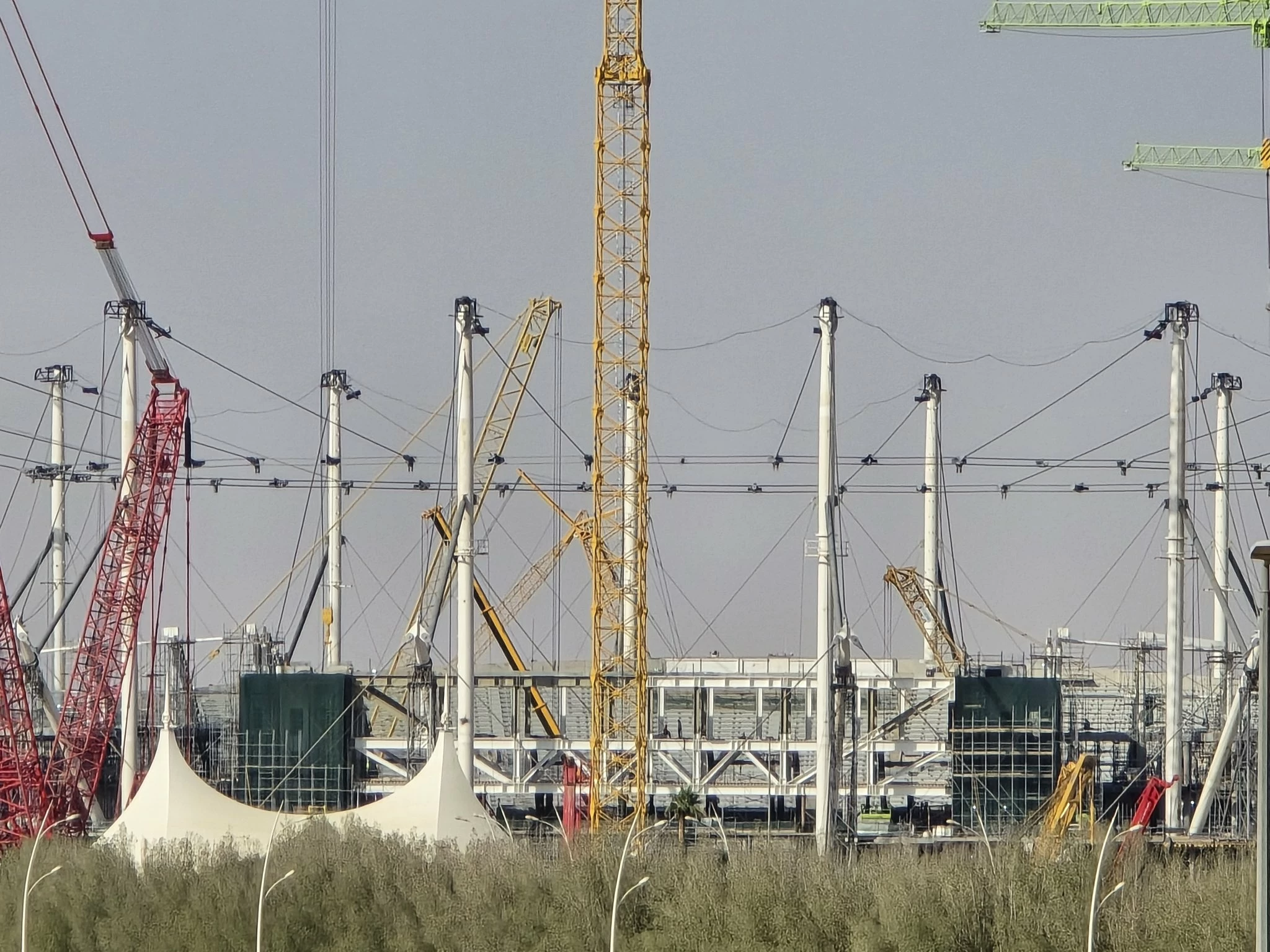
يشهد مشروع تطوير مدينة الملك فهد الرياضية بالرياض أعمال تطوير شاملة، تهدف إلى إعادة بناء وتحديث أحد أبرز الصروح الرياضية في المملكة، وفق أحدث المعايير العالمية في تصميم وتشغيل المنشآت الرياضية، تمهيداً لاستضافة مختلف الفعاليات والمنافسات الرياضية الكبرى مستقبلاً.
ولم تقتصر أعمال التطوير على تحديث البنية التحتية والمرافق الرياضية فحسب، بل امتدت لتشمل تطبيق منظومة متكاملة من الممارسات المستدامة التي تراعي الجوانب البيئية وترفع كفاءة استخدام الموارد، انسجاماً مع مستهدفات الاستدامة وجودة الحياة ضمن رؤية السعودية 2030.
يأتي ذلك في إطار توجه المشروع إلى تبني حلول مستدامة في مراحل التصميم والتنفيذ والتشغيل، تشمل التوسع في استخدام الطاقة المتجددة، وترشيد استهلاك المياه، وتعزيز الاستفادة من المواد منخفضة الأثر البيئي، وتطوير الموقع بما يسهم في تحسين البيئة المحيطة وجودة المساحات الخارجية.
ففي محور الطاقة، يتضمن المشروع تركيب نحو 1,020 لوحاً شمسياً داخل الموقع، تسهم في إنتاج نحو 1,000 ميجاواط/ساعة من الطاقة النظيفة سنويًّا، كما يجري تطبيق عدد من الحلول التقنية الهادفة إلى رفع كفاءة الاستهلاك، من بينها أنظمة التبريد المركزي، وأنظمة الإضاءة الذكية عالية الكفاءة، ما أسهم في خفض استهلاك الطاقة بنسبة 13.5%، حيث تُعد الطاقة المتجددة عنصراً رئيساً في منظومة الاستدامة بالمشروع، لما لها من دور في دعم مزيج الطاقة داخل المدينة الرياضية، وتقليل الاعتماد على المصادر التقليدية، ورفع كفاءة التشغيل في مختلف المرافق.
وركز المشروع أيضاً على تعزيز كفاءة الاستخدام وترشيد الاستهلاك عبر مبادرات متكاملة، أسهمت في خفض استهلاك المياه الداخلية بنسبة 61%، وانخفاض نسبة استهلاك مياه الري إلى 60%، كما يعتمد المشروع على المياه المعالجة لتغطية 100% من احتياجات الري، إلى جانب إعادة استخدام المياه الرمادية في عدد من الاستخدامات المناسبة داخل الموقع، بما يعزز الإدارة المستدامة للموارد المائية.
أما في محور المواد والموارد، فقد شملت أعمال التطوير إعادة تدوير أكثر من 12 ألف طن من مخلفات البناء والهدم، بما يدعم تقليل المخلفات وتعظيم الاستفادة من الموارد، كما بلغت نسبة استخدام المواد المحلية نحو 60% من إجمالي المواد المستخدمة في المشروع، إلى جانب الاعتماد على فولاذ يحتوي على أكثر من 90% من المواد المعاد تدويرها، واستخدام خرسانة منخفضة الكربون؛ للحد من الانبعاثات المرتبطة بأعمال البناء والتشييد.
وفي جانب الموقع والبيئة، فقد راعى المشروع عدداً من الحلول التي تسهم في تحسين الأداء البيئي، من بينها استخدام النباتات المحلية الملائمة للظروف المناخية، واعتماد الأسطح عالية الانعكاس الحراري للحد من اكتساب الحرارة، وتوفير مواقف مخصصة للمركبات الكهربائية، كما تضمنت أعمال التطوير تنفيذ معالجات بيئية للموقع، تسهم في الحد من الغبار وتحسين البيئة المحيطة، بما يعزز جودة المساحات الخارجية، ويرفع من كفاءة العناصر البيئية المرتبطة بالمدينة الرياضية.
وتعكس هذه المبادرات البيئية المتكاملة، حرص وزارة الرياضة على تبني نموذج حديث للمنشآت الرياضية يجمع بين الكفاءة التشغيلية والاستدامة البيئية، بما يسهم في تعزيز جودة المرافق الرياضية ورفع كفاءة مواردها، ويواكب التوجهات الوطنية نحو بناء بنية تحتية أكثر استدامة للأجيال القادمة.
The King Fahd Sports City development project in Riyadh is witnessing comprehensive development works aimed at rebuilding and modernizing one of the most prominent sports landmarks in the Kingdom, according to the latest global standards in the design and operation of sports facilities, in preparation for hosting various major sports events and competitions in the future.
The development works are not limited to updating the infrastructure and sports facilities only, but have also extended to implementing a comprehensive system of sustainable practices that take into account environmental aspects and enhance resource efficiency, in line with the sustainability and quality of life targets within Saudi Vision 2030.
This is part of the project's direction to adopt sustainable solutions in the design, execution, and operation phases, which include expanding the use of renewable energy, rationalizing water consumption, enhancing the use of low-impact materials, and developing the site in a way that contributes to improving the surrounding environment and the quality of outdoor spaces.
In the energy sector, the project includes the installation of approximately 1,020 solar panels on-site, contributing to the production of about 1,000 megawatt-hours of clean energy annually. Additionally, a number of technical solutions aimed at improving consumption efficiency are being implemented, including central cooling systems and high-efficiency smart lighting systems, which have contributed to reducing energy consumption by 13.5%. Renewable energy is a key element in the sustainability framework of the project, due to its role in supporting the energy mix within the sports city, reducing reliance on traditional sources, and enhancing operational efficiency across various facilities.
The project also focused on enhancing usage efficiency and rationalizing consumption through integrated initiatives, which have contributed to a 61% reduction in indoor water consumption and a 60% decrease in irrigation water consumption. The project relies on treated water to cover 100% of irrigation needs, in addition to reusing gray water for several suitable uses on-site, thereby enhancing the sustainable management of water resources.
As for materials and resources, the development works included recycling more than 12,000 tons of construction and demolition waste, supporting waste reduction and maximizing resource utilization. The percentage of local materials used reached about 60% of the total materials used in the project, along with the reliance on steel containing more than 90% recycled materials, and the use of low-carbon concrete to reduce emissions associated with construction activities.
In terms of the site and environment, the project considered several solutions that contribute to improving environmental performance, including the use of local plants suitable for climatic conditions, adopting high thermal reflectance surfaces to reduce heat gain, and providing dedicated parking for electric vehicles. The development works also included implementing environmental treatments for the site, which help reduce dust and improve the surrounding environment, thereby enhancing the quality of outdoor spaces and increasing the efficiency of the environmental elements associated with the sports city.
These integrated environmental initiatives reflect the Ministry of Sports' commitment to adopting a modern model for sports facilities that combines operational efficiency with environmental sustainability, contributing to enhancing the quality of sports facilities and improving resource efficiency, while aligning with national trends towards building a more sustainable infrastructure for future generations.