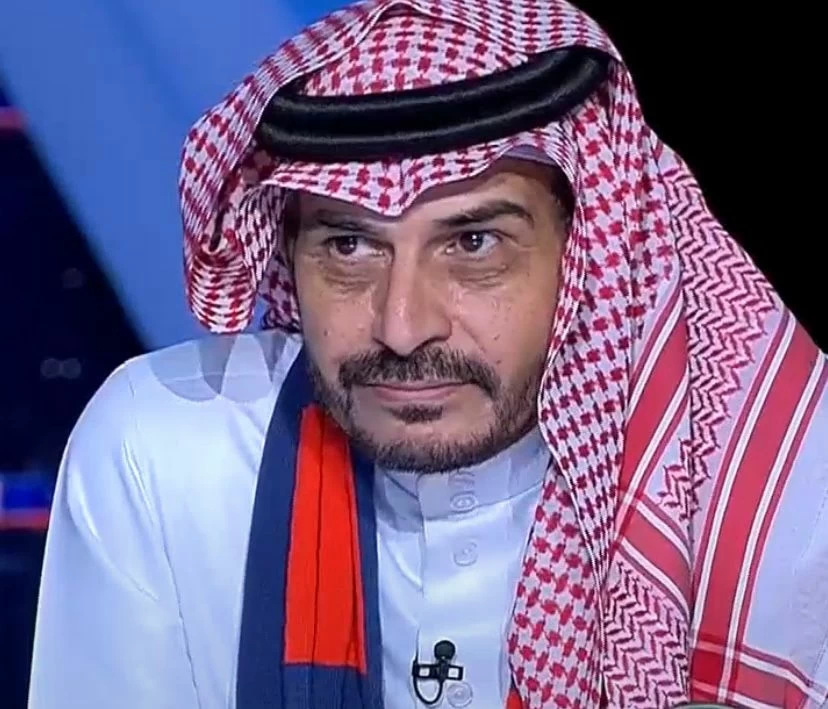
قال رئيس نادي أبها سعد الأحمري: «يزعجني أن أهل المنطقة يشجعون ضد فريق مدينتهم أو منطقتهم، ونحن نحترم بالتأكيد أندية الهلال والنصر والاتحاد والأهلي، وتاريخ كل نادٍ وبطولاته، ولكن واجب عليك أيها المشجع أن تقف مع فريق مدينتك الذي أتى بالأندية الجماهيرية». وأضاف: «لا بد أن يكون عند الناس انتماء لفريق منطقتهم».
من جهته رد الدكتور وليد أبوملحة عبر موقعه الرسمي في منصة «X» قائلاً: «تصريح رئيس نادي أبها، الذي أقدر جهوده الجبارة مع زعيم الجنوب، يقودنا إلى مشكلة فكرية عميقة وهي محاولة فرض الانتماء بالقوة العاطفية والحدود الجغرافية، ولنكن واقعيين بدون رتوش، أن الرياضة ترفيه، والتشجيع حرية شخصية قبل أن يكون واجباً وطنياً إلاّ مع منتخبات الوطن، ومن حق أي مواطن أن يشجع النادي الذي يملأ عينه، ويحقق طموحاته، والبطولات، ويقدم كرة قدم ممتعة، ويمثل قيماً وأهدافاً يؤمن بها هذا المُشجع. وليس من المنطق والعدل أن نحصر الانتماء في حدود مدينة أنتمي إليها وكأن الرياضة أصبحت امتداداً لهوية وطنية ضيقة».
وأضاف: «الواقع المرّ هو الذي يُنكر أن الأندية الكبرى (الأهلي والنصر والاتحاد والهلال) احتوت الجماهير لأن لها تاريخاً وإمكانيات ونجوماً وبطولات، ومن الطبيعي أن ينجذب إليها المشجع من أبها أو الطائف أو نجران أو تبوك وغيرها على امتداد الوطن الغالي، وهذا ليس عدم انتماء مزعوم، بل اختيار منطقي ويُحترم، فهل من يشجع أندية مانشستر يونايتد أو ريال مدريد أو برشلونة أو أرسنال ولا يُشجع أياً من أندية الوطن خائناً لوطنه؟».
وتابع: «لماذا نعامل الدوري المحلي بهذه الازدواجية؟ وإذا جال في بال أحدهم ما يحدث في أندية الدوري الإنجليزي وتعصب كل مدينة لناديها، فهذا الدوري بدأ في عام 1888، ومعظم الأندية حققت بطولات لتتراكم الجماهيرية عبر أجيال مُتلاحقة لهذا الدوري العتيق، وأنا شخصياً أفتخر بانتمائي وتشجيعي للنادي الملكي، وعندما أحضر مباريات للأهلي مع ناديي أبها وضمك فأنا أشجع وأُناصر الأهلي الذي أتى من مدينة جدة ولم يأت من جزر الواق واق، وما زلت سعودياً، وأحب منطقتي عسير داخل إطار الحب الأكبر السعودي».
واختتم تصريحه بقوله: «المشكلة ليست في المشجع الذي يختار النادي الذي يوافق تطلعاته بل في أندية المنطقة التي أصبحت أكبر إنجازاتها وطموحاتها هو الصعود لدوري الأضواء ثم لا تلبث أن تعود، ومن يُرِد الجماهيرية فليحقق الإنجاز تلو الإنجاز ويصبح رقماً ثابتاً في الدوري الأغلى، حيث هذا هو المهر الوحيد لجلب الجماهير، خصوصاً الجيل الناشئ الذي سوف ينمو مع إنجازات يراها في مرحلة التكوين والميول الرياضي، أما الإجبار العاطفي وفرض الانتماء لفريق المدينة فهو يحمل رائحة التعصب المناطقي الضيق، فالرياضة يجب أن توحد لا تُقسّم، ولو حصرنا كل مشجع في نادي مدينته لتحول الدوري إلى مجموعة من التعصبات المناطقية المحصورة والضعيفة وفقدنا معها المتعة والتطور». وأكد بقوله: «الرياضة ليست واجباً وطنياً ضيقاً، بل متعة ومنافسة شريفة وانتماء حر، ومن يُرِد جمهوراً فليستحقه بالأداء، والاحتراف الحقيقي والبطولات، لا بالخطابات العاطفية».
The President of Abha Club, Saad Al-Ahmari, said: "It bothers me that the people of the region cheer against their city or regional team. We certainly respect the clubs Al-Hilal, Al-Nasr, Al-Ittihad, and Al-Ahli, and the history and championships of each club, but it is your duty, dear fan, to support your city’s team that has brought in the popular clubs." He added: "People must have an affiliation with their regional team."
In response, Dr. Walid Abumalha commented on his official page on the "X" platform, saying: "The statement of the President of Abha Club, whom I appreciate for his tremendous efforts with the leader of the south, leads us to a deep intellectual problem, which is the attempt to impose affiliation through emotional force and geographical boundaries. Let’s be realistic without embellishments: sports are entertainment, and cheering is a personal freedom before it becomes a national duty, except with national teams. Every citizen has the right to support the club that captivates them, fulfills their ambitions, wins championships, provides enjoyable football, and represents values and goals that this fan believes in. It is neither logical nor fair to restrict affiliation to the boundaries of a city to which I belong as if sports have become an extension of a narrow national identity."
He added: "The harsh reality is that it denies that the major clubs (Al-Ahli, Al-Nasr, Al-Ittihad, and Al-Hilal) have attracted fans because they have history, capabilities, stars, and championships. It is natural for a fan from Abha, Taif, Najran, Tabuk, or elsewhere across our dear homeland to be drawn to them. This is not a claimed lack of affiliation, but a logical and respected choice. Is someone who supports Manchester United, Real Madrid, Barcelona, or Arsenal, and does not support any of the local clubs, a traitor to their country?"
He continued: "Why do we treat the local league with this duality? If someone thinks about what happens in English league clubs and the fanaticism of each city for its club, this league started in 1888, and most clubs have won championships, accumulating fan bases over successive generations for this ancient league. Personally, I take pride in my affiliation and support for the royal club, and when I attend matches for Al-Ahli against my clubs Abha and Dhamak, I cheer and support Al-Ahli, which comes from the city of Jeddah and not from the islands of Waq Waq. I am still Saudi, and I love my region, Asir, within the larger love for Saudi Arabia."
He concluded his statement by saying: "The problem is not with the fan who chooses the club that aligns with their aspirations, but with the clubs in the region, whose greatest achievements and ambitions have become to rise to the spotlight league, only to return shortly after. Those who want popularity must achieve success after success and become a fixed number in the most expensive league, as this is the only price to attract fans, especially the younger generation that will grow with the achievements they see during their formative years and sports inclinations. Emotional coercion and imposing affiliation to the city’s team carry the scent of narrow regional fanaticism. Sports should unite, not divide. If we confined every fan to their city’s club, the league would turn into a collection of confined and weak regional fanaticisms, and we would lose enjoyment and development." He affirmed by saying: "Sports are not a narrow national duty, but rather enjoyment, fair competition, and free affiliation. Those who want an audience must earn it through performance, true professionalism, and championships, not through emotional speeches."