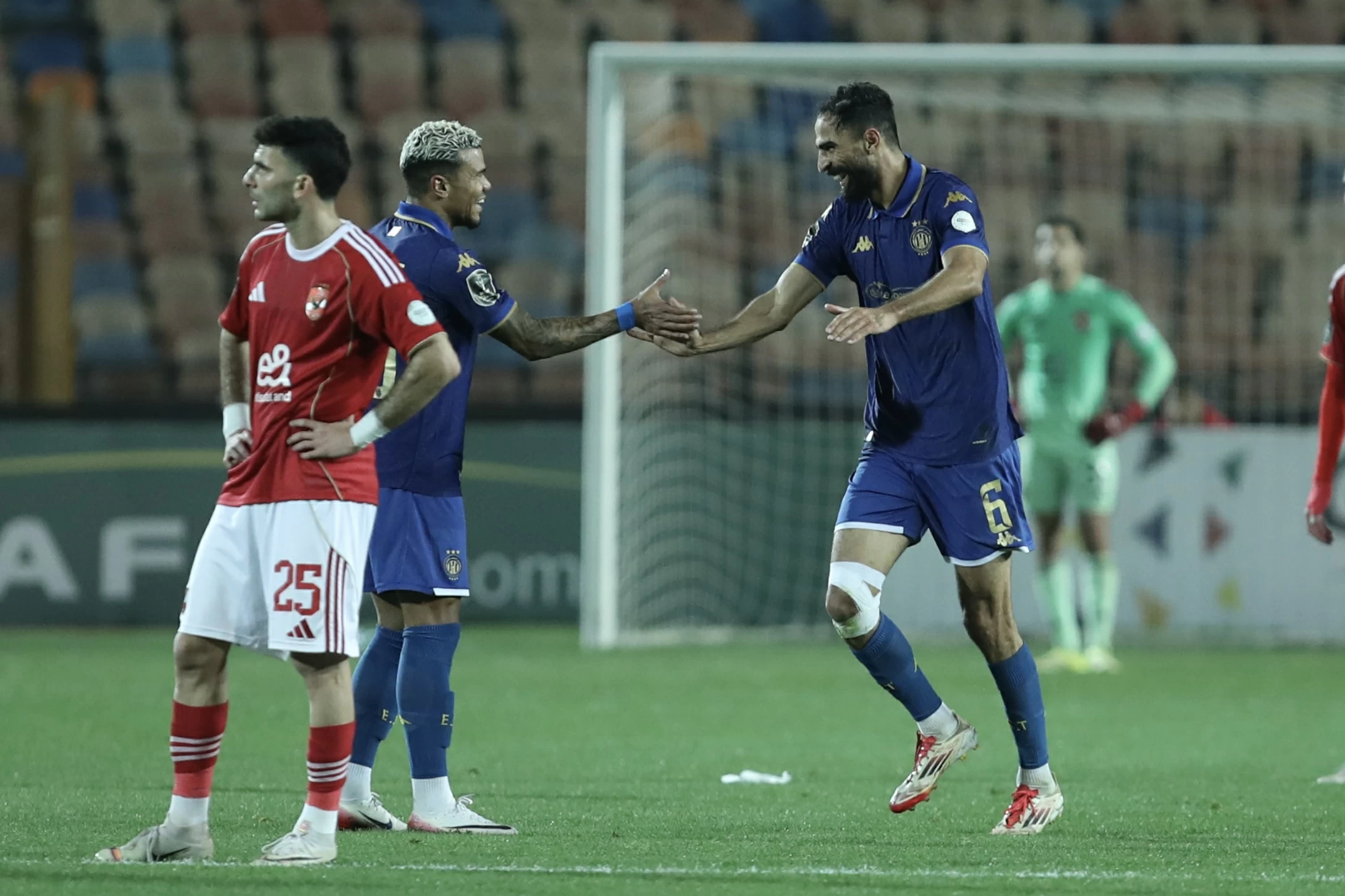
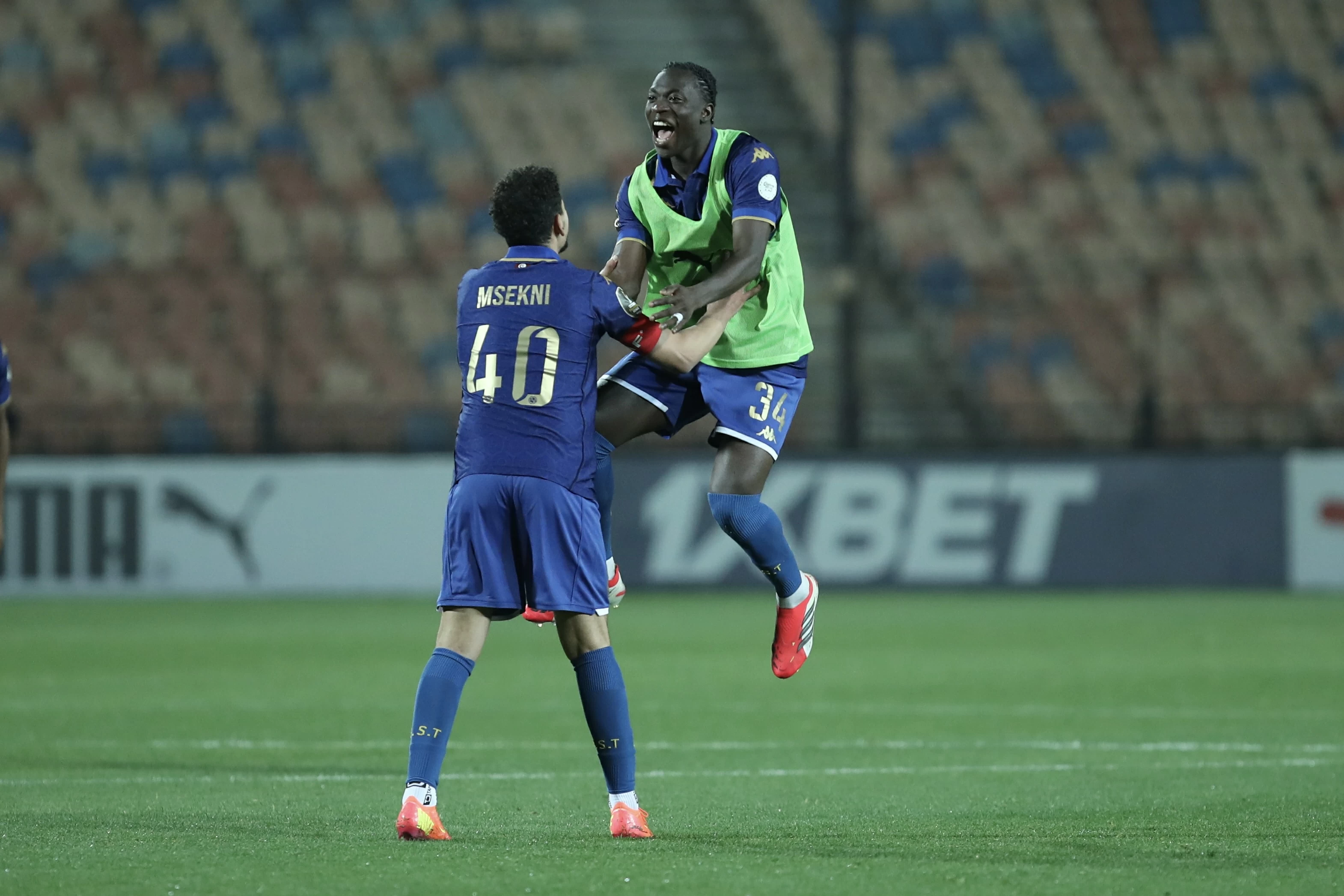
في ليلة ثقيلة على الكرة الأفريقية، نجح الترجي الرياضي التونسي في إقصاء الأهلي المصري بعد فوز مثير (3-2)، ليبلغ نصف نهائي دوري أبطال أفريقيا، في نتيجة لم تمر كخبر عابر بقدر ما أثارت جدلاً واسعاً حول ما حدث فعلاً داخل الملعب.
المباراة بدت وكأنها اختبار حقيقي للهيبة قبل النقاط؛ الأهلي تقدّم، لكنه لم يُحسن إدارة تفوقه، فيما ظهر الترجي أكثر هدوءاً في اللحظات الحرجة، مستفيداً من أخطاء دفاعية واضحة ليقلب النتيجة ويحسم التأهل.
ويرى محللون فنيون أن الترجي لم يكن الأفضل طوال المباراة، لكنه كان «الأكثر نضجاً»، حيث أشار عدد من النقاد إلى أن الفريق التونسي لعب بواقعية عالية، ونجح في استثمار الفرص القليلة، وهو ما يُميز الفرق القادرة على الذهاب بعيداً في البطولة. في المقابل، اعتبر آخرون أن الأهلي «خسر المباراة بنفسه»، نتيجة تراجع التركيز وغياب الانضباط التكتيكي في الدقائق الحاسمة.
وبين هذا وذاك، يذهب اتجاه ثالث إلى أن ما حدث يعكس تحولاً أوسع في كرة القدم الأفريقية، حيث لم تعد السيطرة حكراً على فريق بعينه، بل أصبحت التفاصيل الصغيرة هي الفاصل الحقيقي بين الانتصار والخروج.
النتيجة تُحسب للترجي دون جدال... لكنها تترك خلفها سؤالاً أكبر: هل بدأ توازن القوة يتغير، أم أنها مجرد ليلة لم يحتملها الأهلي؟
On a heavy night for African football, Espérance Sportive de Tunis succeeded in eliminating Al Ahly SC after an exciting victory (3-2), reaching the semifinals of the CAF Champions League. This result did not pass as a mere news item but sparked widespread debate about what actually happened on the field.
The match seemed like a true test of prestige before the points; Al Ahly took the lead but failed to manage their advantage effectively, while Espérance appeared calmer in critical moments, capitalizing on clear defensive errors to turn the score around and secure qualification.
Technical analysts believe that Espérance was not the better team throughout the match, but they were "the more mature," as several critics pointed out that the Tunisian team played with high realism and succeeded in capitalizing on the few opportunities they had, which is a hallmark of teams capable of going far in the tournament. Conversely, others argued that Al Ahly "lost the match by themselves," due to a decline in focus and a lack of tactical discipline in the crucial minutes.
Amidst this, a third perspective suggests that what happened reflects a broader shift in African football, where dominance is no longer the privilege of a single team, but rather small details have become the real dividing line between victory and elimination.
The result is undoubtedly credited to Espérance... but it leaves behind a bigger question: Has the balance of power begun to change, or was it just a night that Al Ahly could not withstand?