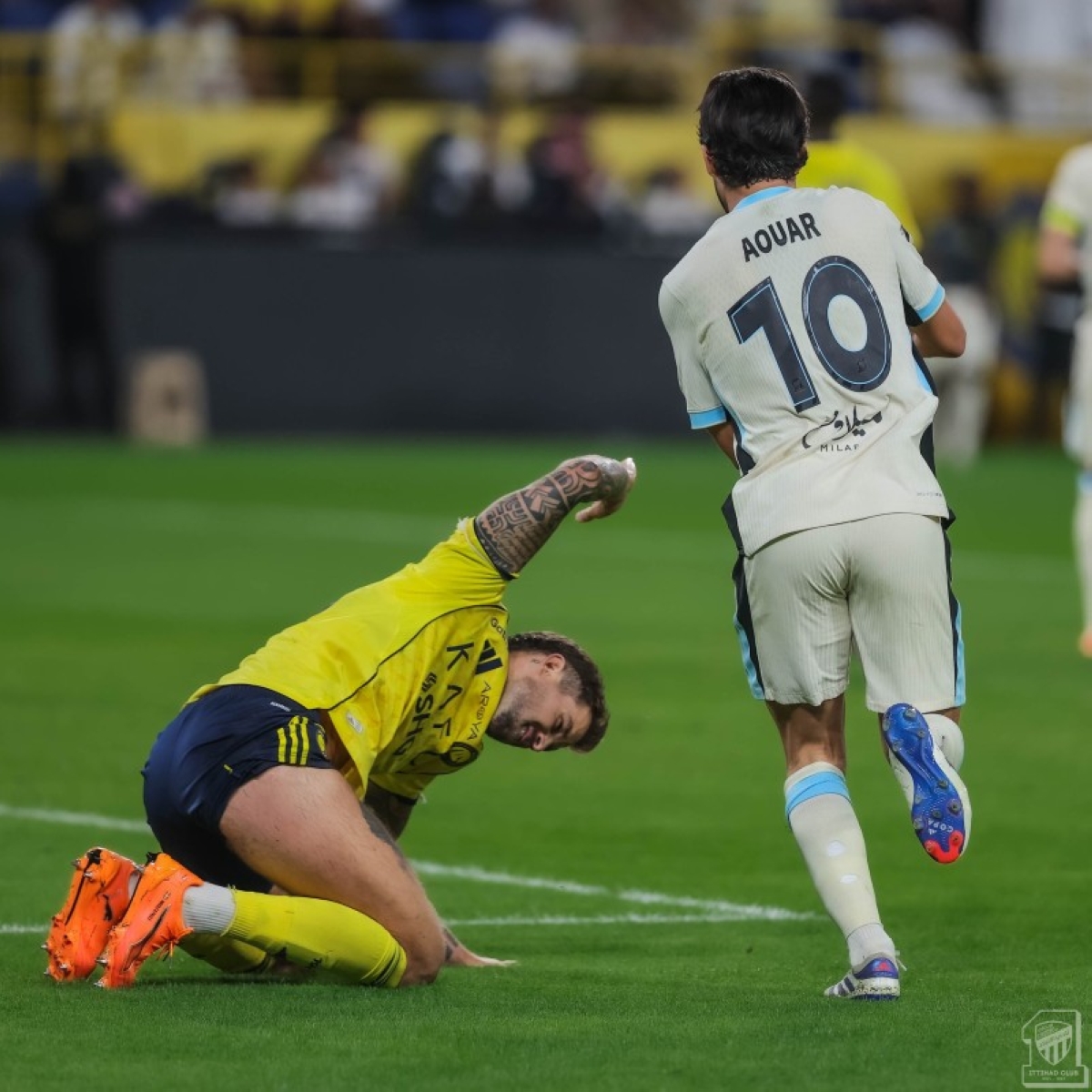
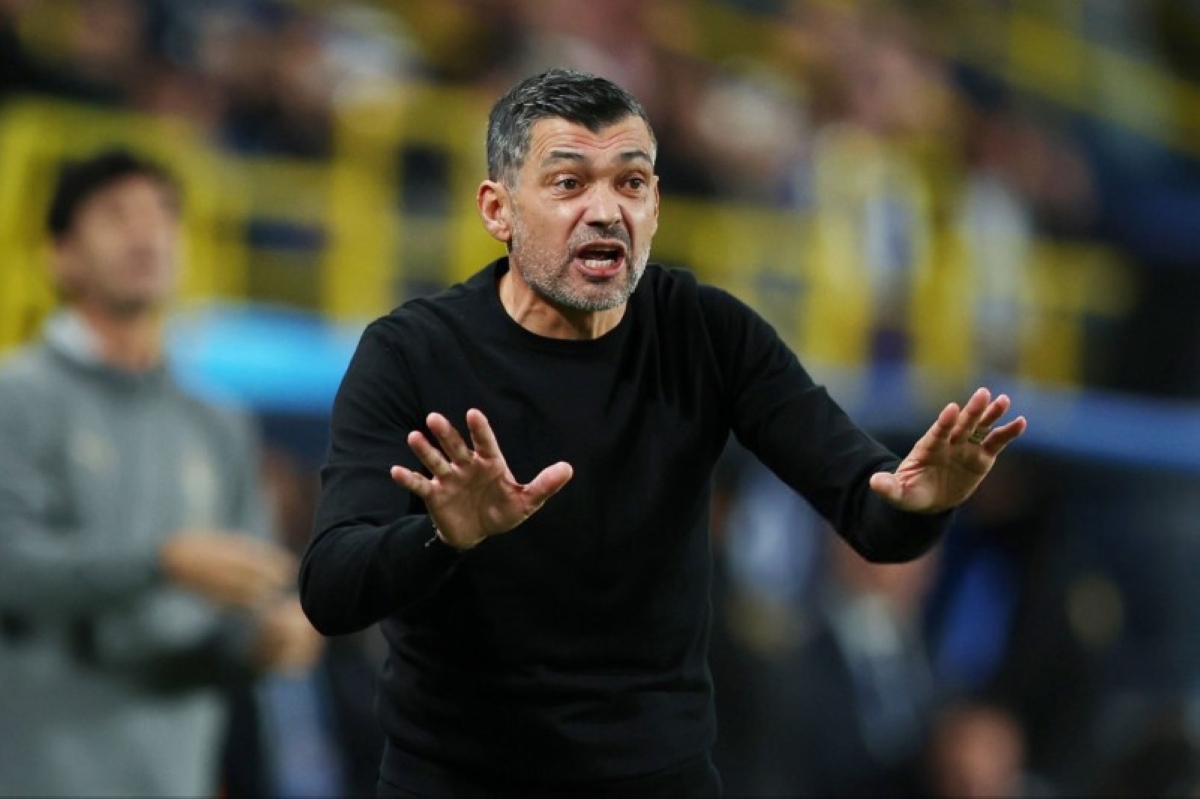
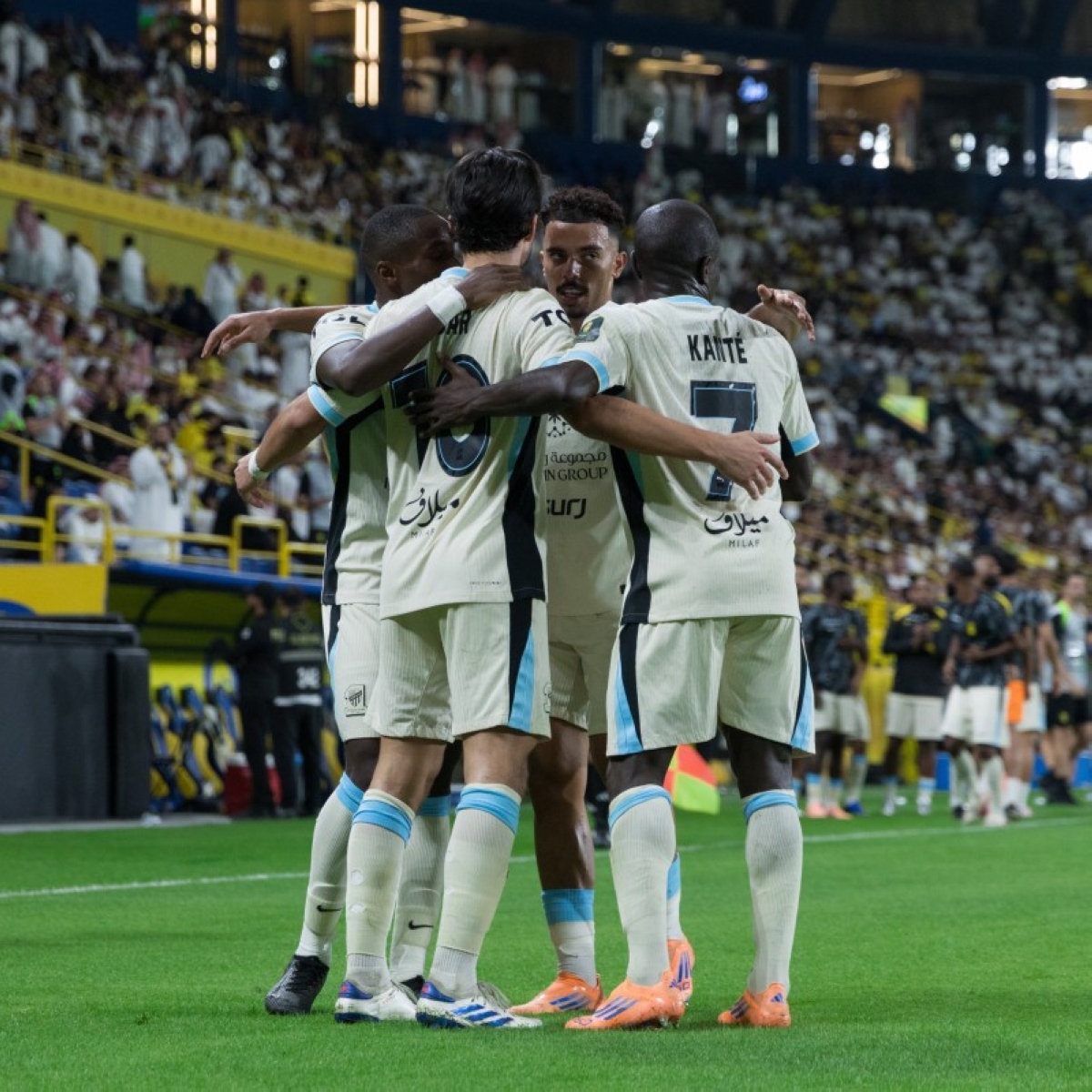
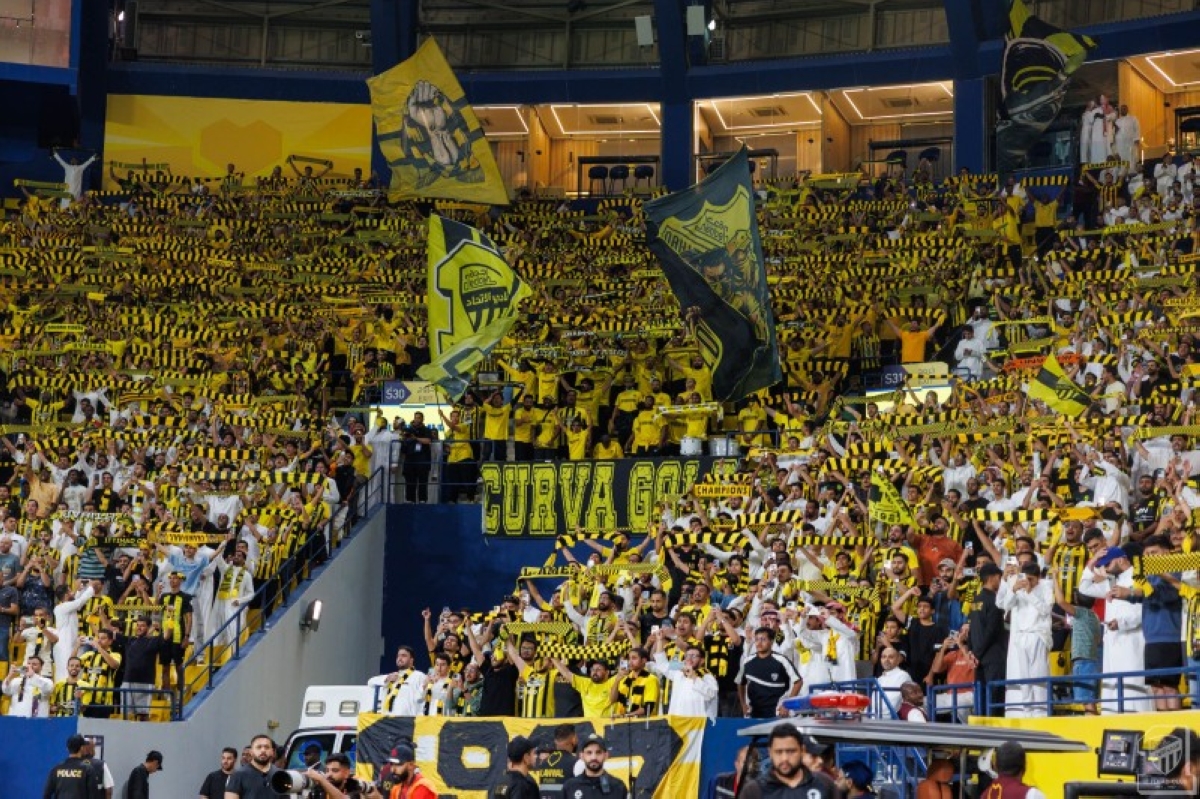
أدار مدرب الاتحاد سيرجيو كونسيساو مواجهة فريقه أمام النصر في دور الـ16
من مسابقة كأس خادم الحرمين الشريفين بعقلية مدرب يعرف أين يُربك خصمه، لا أين يهاجمه. استخدم هيكلا مرنا بين 4-4-2 في الحالة الدفاعية و3-4-2-1 عند التحول، ما منح فريقه كثافة في العمق وتوازنا في الأطراف.
أغلق نصف المساحة بين ظهير النصر وجناحه، وأجبر جيسوس على تدوير الكرة عرضيا دون قدرة على الاختراق الطولي.
تكتيكيا، بنى الاتحاد هجماته على التحول الثلاثي السريع من الارتكاز نحو المهاجم الثاني، مستغلا بطء عودة محور النصر وضعف التغطية العكسية خلف ظهيري الجنب.
في المقابل، لم يُحسن جيسوس التعامل مع الضغط الموجّه.. اعتمد على بناء بطيء من الخلف دون تحريك خطوط الاتحاد، ما كشف محدودية الحلول بين خطوطه الثلاثة.
الفرق الجوهري بين المدربين أن كونسيساو لعب بالمبادرة التكتيكية، بينما اكتفى جيسوس بردّ الفعل. الأول فرض إيقاعه عبر المسافة والتمركز، والثاني خسرها عبر الارتباك في البدايات.
فاز الاتحاد بالنتيجة وبالمنهج؛ لأن مدربه فهم أن الشطرنج الميداني يُكسب بالعقل قبل القدم.
الشطرنج الميداني:
البطولة: كأس الملك دور الـ16.
النتيجة: الاتحاد 2 × 1 النصر
الحدث: خروج النصر من أولى بطولات الموسم.
الحالة: الاتحاد لعب منقوصاً بعد طرد مدافعه.
انفوجرافيك:
كونسيساو
• الخطة: 4-2-3-1 تتحول إلى 4-4-2 دفاعياً.
• الأسلوب: ضغط عكسي متوسط.
• الهدف: إغلاق العمق ومنع الاختراق العمودي لجواو وماني.
• التحول: سريع ومنظّم بعد كل افتكاك.
جيسوس
• الخطة: استحواذ بطيء وتمركز ثابت.
• المشكلة: بطء في البناء وضعف في التحول.
• الأثر: غياب الدعم وضعف التغطية خلف الأظهرة.
• النتيجة: فوضى تكتيكية رغم التفوق العددي.
Union coach Sergio Conceição managed his team's match against Al-Nassr in the Round of 16
of the King’s Cup with the mentality of a coach who knows where to disrupt his opponent, not where to attack him. He employed a flexible structure of 4-4-2 in the defensive phase and 3-4-2-1 during transitions, which provided his team with depth and balance on the flanks.
He closed the half-space between Al-Nassr's full-back and winger, forcing Jesus to circulate the ball horizontally without the ability to penetrate vertically.
Tactically, Al-Ittihad built their attacks on quick triple transitions from the pivot to the second striker, exploiting the slow return of Al-Nassr's pivot and the weak cover behind the full-backs.
In contrast, Jesus did not manage the directed pressure well... he relied on slow buildup from the back without moving Al-Ittihad's lines, which exposed the limited solutions between his three lines.
The fundamental difference between the two coaches is that Conceição played with tactical initiative, while Jesus was content with reaction. The former imposed his rhythm through distance and positioning, while the latter lost it through confusion at the start.
Al-Ittihad won both in result and in method; because their coach understood that field chess is won by the mind before the foot.
Field Chess:
Tournament: King’s Cup Round of 16.
Result: Al-Ittihad 2 × 1 Al-Nassr
Event: Al-Nassr exits the first tournament of the season.
Situation: Al-Ittihad played with a man down after the expulsion of their defender.
Infographic:
Conceição
• Formation: 4-2-3-1 transitioning to 4-4-2 defensively.
• Style: Medium counter-pressure.
• Objective: Close the depth and prevent vertical penetration from João and Mané.
• Transition: Quick and organized after every recovery.
Jesus
• Formation: Slow possession and fixed positioning.
• Problem: Slow buildup and weak transitions.
• Impact: Lack of support and weak coverage behind the full-backs.
• Result: Tactical chaos despite numerical superiority.