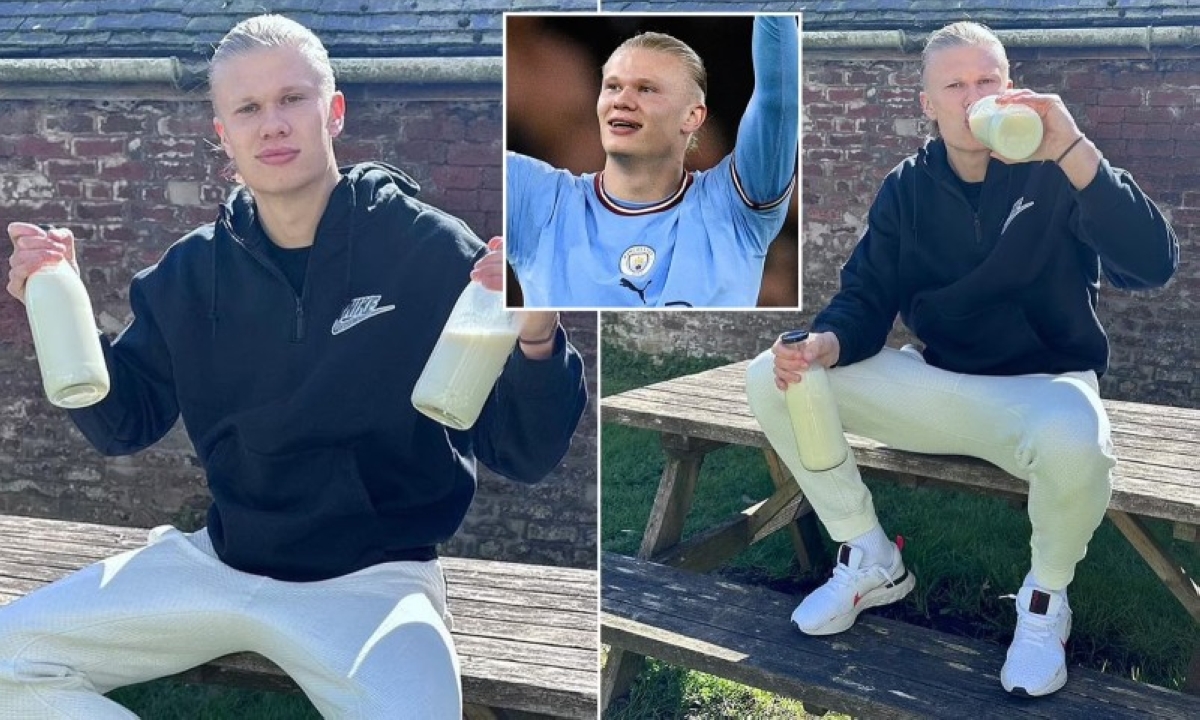
حقق أول فيديو نشره النجم النرويجي إيرلينغ هالاند، مهاجم مانشستر سيتي، على قناته الجديدة على موقع «يوتيوب» أكثر من 5 ملايين مشاهدة، وأثار نقاشاً حول استهلاكه للحليب الخام.
وفي حلقة بعنوان «يوم في حياة لاعب كرة قدم محترف»، تحدث مهاجم مانشستر سيتي البالغ من العمر 25 عاماً عن روتينه اليومي ومتعة طهيه وتناوله شرائح اللحم، إضافة إلى شرب الحليب الخام غير المبستر.
وقالت مصادر مقربة من المهاجم لهيئة الإذاعة البريطانية (بي بي سي) إنه يشرب كوباً واحداً كل صباح وكوباً آخر بعد التدريب، وهي طقوس كانت جزءاً من حياته منذ أن كان طفلاً.
تحذير.. «لا تقلدوا عادة هالاند»
من جانبها، نصحت هيئة معايير الغذاء البريطانية (FSA) بأن هذا المنتج «قد يحتوي على بكتيريا ضارة يمكن أن تسبب التسمم الغذائي»، وبالتالي لا ينبغي أن يستهلكه الأشخاص الذين يعانون من ضعف في جهاز المناعة، بما في ذلك الأشخاص الذين تبلغ أعمارهم 65 عاماً أو أكثر، والنساء الحوامل، والأطفال الصغار، وأولئك الذين يعانون من أمراض مزمنة تضعف المناعة.
وعلى الرغم من إدراجه كمنتج «محفوف بالمخاطر»، تقول هيئة معايير الغذاء إن هناك زيادة في الإقبال على استهلاك الحليب الخام، لأن «الناس يعتقدون أن له فوائد صحية»، على الرغم من وجود القليل من الأدلة العلمية الموثوقة لدعم ذلك.
The first video published by Norwegian star Erling Haaland, the Manchester City striker, on his new YouTube channel has garnered over 5 million views and sparked a discussion about his consumption of raw milk.
In an episode titled "A Day in the Life of a Professional Footballer," the 25-year-old Manchester City striker talked about his daily routine and the joy of cooking and eating steak, in addition to drinking unpasteurized raw milk.
Sources close to the striker told the BBC that he drinks one cup every morning and another cup after training, a ritual that has been part of his life since he was a child.
Warning.. "Do not imitate Haaland's habit"
For its part, the UK Food Standards Agency (FSA) advised that this product "may contain harmful bacteria that can cause food poisoning," and therefore should not be consumed by individuals with weakened immune systems, including those aged 65 and older, pregnant women, young children, and those with chronic illnesses that compromise immunity.
Despite being classified as a "risky product," the Food Standards Agency says there is an increase in the demand for raw milk consumption because "people believe it has health benefits," even though there is little reliable scientific evidence to support that.