


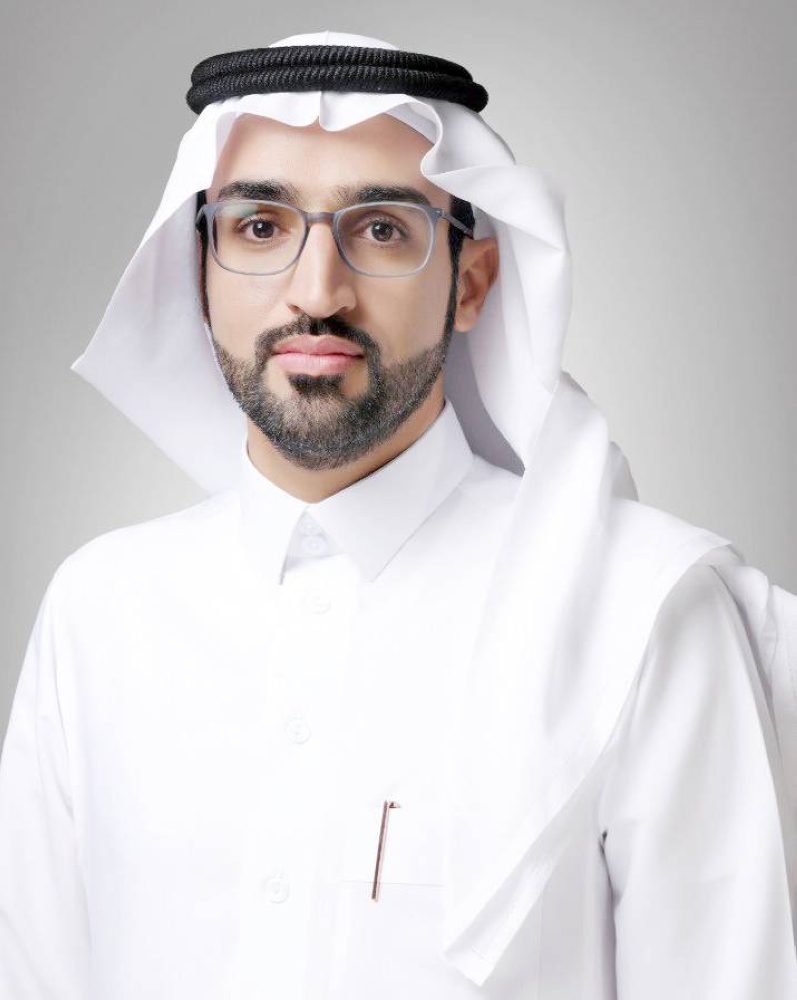
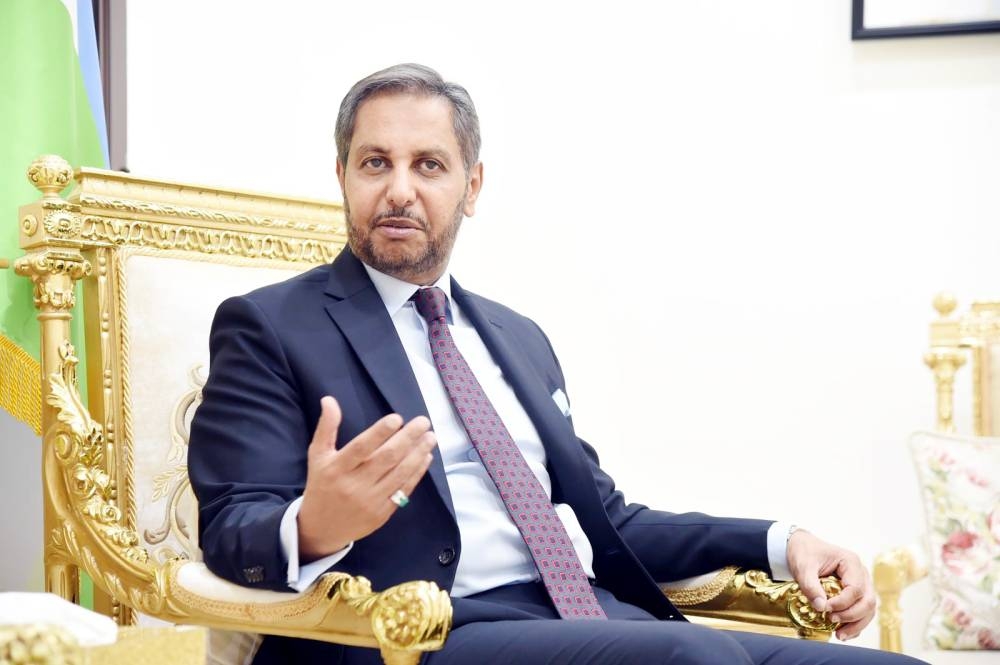
في عالم تتسارع فيه التحديات، وتتعدد فيه الأزمات، يبقى العمل الدبلوماسي حجر الزاوية، في بناء جسور التفاهم بين الشعوب، من قلب القرن الأفريقي، ومن موقع جيبوتي الإستراتيجي، برز اسم ضياء الدين سعيد بامخرمة، كأحد أبرز الوجوه الدبلوماسية في العالم العربي والإسلامي.
يشغل بامخرمة، منصب سفير جمهورية جيبوتي لدى المملكة، وعميد السلك الدبلوماسي فيها، ومندوب جيبوتي الدائم لدى منظمة التعاون، إلى جانب كونه سفيراً غير مقيم، لدى سلطنة عُمان ومملكة البحرين، يحمل في جعبته رصيداً من الخبرة والتجربة، في الساحتين الإقليمية والدولية، ويُعرف بحضوره الثقافي والرياضي والإنساني الفاعل حيثما وُجد.
وعلى امتداد مسيرته الدبلوماسية، التي تجاوزت العقدين، نال تكريماً رفيعاً من رئيس جمهورية جيبوتي بوسامين في مرحلتين مختلفتين، تقديراً لجهوده التي تجاوزت التمثيل الرسمي، لتجسّد رؤية عابرة للحدود، تسعى إلى مدّ جسور الحوار، وترسيخ مبادئ التعاون.
خبرته العريضة، ومواقفه المتوازنة، وروحه القيادية، تجعله نموذجاً مميزاً للدبلوماسي، في زمن يحتاج فيه العالم إلى المزيد من الأصوات العاقلة، والدبلوماسية النزيهة.
في هذا الحوار، نستعرض أبرز محطات رحلته الدبلوماسية، ورؤيته للسياسة الإقليمية، ودور المملكة والعلاقات الثنائية مع بلاده، إلى جانب مشاركاته الواسعة في المحافل الدولية.
تشرفت بالتعامل معهم
• ما أبرز الشخصيات الدبلوماسية التي تعاملت معها، وتأثرت بها؟
•• بحكم عملي الدبلوماسي، تشرفت بالتعامل مع عدد من كبار المسؤولين حول العالم، من قادة دول ووزراء وسفراء، وأمناء عامين لمنظمات إقليمية ودولية، وكل شخصية أضافت لي تجربة خاصة، وساهمت في توسيع آفاق التفاهم والتعاون، دون أن أغفل بطبيعة الحال الشخصيات الرفيعة والمهمة، ومنها القيادات السعودية، وعلى رأسها خادم الحرمين الشريفين الملك سلمان بن عبدالعزيز، الذي عرفته منذ أن كان أميراً للرياض، وقد جمعتني به لقاءات عديدة، فردية وعامة، وجدته، مطّلعاً ومثقفاً، وخبيراً في قضايا بلده، وثقافات المنطقة وتاريخها، أما ولي العهد الأمير محمد بن سلمان، فهو يمتلك ذكاءً لافتاً، وحسن إدراك لمجريات الأمور، فضلاً عن تأثيره المباشر في التوجيه السريع والدقيق.
ولا أنسى الأمير سعود الفيصل، الذي كان شخصية مؤثرة، ملماً بالتفاصيل السياسية والأحداث، وصاحب قدرة على الإقناع والتأثير، وذا مهابة جليلة، كما لا أنسى الدور الكبير للرئيس إسماعيل عمر جيله، رئيس جمهورية جيبوتي، الذي عاصرته منذ أن كنت مستشاراً في مكتبه، ثم سفيراً في واحدة من أهم العواصم العالمية، الرياض، وقد منحني ثقته الغالية، التي كانت عنصراً أساسياً في نجاحي، بمنحي هامشاً دبلوماسياً واسعاً، للتحرك في الزمان والمكان المناسبين.
مرتكز استقرار المنطقة
• ما موقف بلدكم من قضايا وأزمات الشرق الأوسط الحالية، ورؤيتكم للحل؟
•• نحن في جمهورية جيبوتي، نؤمن بأن السلام والحوار هما السبيل الأمثل لحل النزاعات، ودعمنا للقضية الفلسطينية هو ثابت ودائم، انطلاقاً من إيماننا الراسخ بحق الشعب الفلسطيني في إقامة دولته المستقلة، وعاصمتها القدس الشرقية، كما نؤيد الجهود الرامية إلى استقرار اليمن وسورية والسودان، ونرفض أي تدخلات خارجية تزعزع أمن المنطقة أو تؤجج النزاعات، هذا هو الموقف الثابت، الذي يردده دوماً رئيس الجمهورية إسماعيل عمر جيله، وتنتهجه الدبلوماسية الجيبوتية.
المملكة تتصدر المشهد العالمي
• كيف تنظرون للدور السعودي، سواء على المستوى السياسي والاقتصادي، والاسلامي؟
•• تلعب المملكة دوراً محورياً في قيادة المنطقة، وتمتلك ثقلاً سياسياً واقتصادياً ودينياً كبيراً، فهي مرتكز أساسي في استقرار المنطقة، ولها جهود مشهودة في الوساطة، والمصالحة، ومكافحة الإرهاب.
اقتصادياً، تسير بخطى واثقة نحو تنويع مصادر دخلها، بعيداً عن الاعتماد الأحادي على النفط، من خلال «رؤية 2030» التي يقودها ولي العهد، وباتت المملكة تتصدر المشهد العالمي في عدد من القطاعات الاقتصادية.
أما إسلامياً، فهي قبلة المسلمين ومهوى أفئدتهم، وشاهدنا أخيراً النجاح الباهر لموسم حج هذا العام، والتنظيم المثالي الذي يعكس الجهد الهائل، الذي تبذله المملكة في هذا الجانب.
30 اتفاقية ومذكرة تفاهم
• ما تقييمكم لمستوى العلاقات الثنائية الحالي، بين الرياض وجيبوتي؟
•• العلاقات بين جيبوتي والسعودية، علاقات تاريخية وأخوية، تقوم على أسس راسخة من التعاون والاحترام المتبادل، وهناك تنسيق دائم في الملفات السياسية والأمنية، وتعاون متنام في مجالات الاقتصاد والبنية التحتية، وقد وُقعت أكثر من 30 اتفاقية ومذكرة تفاهم بين البلدين الشقيقين، إلى جانب وجود لجان متخصصة نشطة، منها اللجنة العامة الحكومية المشتركة، واللجنة الأمنية، واللجنة العسكرية، ولجنة التشاور السياسي، فضلاً عن المجلس المشترك لرجال الأعمال.
كما تُبذل جهود حثيثة لتحفيز الاستثمار السعودي في جيبوتي، من بينها إنشاء منطقة لوجستية سعودية، ضمن المنطقة الحرة لجيبوتي، لتكون مركزاً للصادرات السعودية نحو القارة الأفريقية، وقد تولت شركة «بوابة البحر الأحمر للموانئ البحرية الدولية» السعودية، إدارة ميناء تاجورة في جيبوتي، كما يساهم الصندوق السعودي للتنمية، في تنفيذ مشاريع مهمة لتطوير البنية التحتية في بلادنا، كل ذلك يعكس عمق الروابط بين الشعبين الشقيقين.
المشاركة في المحافل الدولية
• ما أبرز المنظمات العالمية والهيئات، التي عملت معها؟
•• من خلال مسيرتي الدبلوماسية، شاركت في العديد من المحافل الدولية التابعة للأمم المتحدة، منها اجتماعات الجمعية العامة، ومنظمة اليونسكو، ومنظمة الهجرة العالمية، وجامعة الدول العربية، كما واكبت عن كثب أعمال منظمة التعاون الإسلامي، منذ توليت موقعي سفيراً في الرياض، ومندوباً دائماً لدى هذه المنظمة العريقة، التي هي ثاني أكبر منظمة دولية في العالم، بعد الأمم المتحدة، كذلك، ساهمت في مؤتمرات وندوات عالمية، تهدف إلى تعزيز الحوار والتعاون بين الشعوب والدول، في مجالات سياسية وإستراتيجية وقانونية.
أمن إقليم البحر الأحمر
• شاركتم في كافة الاجتماعات المتخصصة، لإنشاء مجلس الدول العربية والأفريقية، المطلة على البحر الأحمر وخليج عدن، إلى أين وصلتم في تأسيس هذا المجلس؟
•• نعم، شاركت في جميع الاجتماعات التمهيدية لتأسيس هذا المجلس، ضمن الخبراء المسؤولين عن دراسة وتنقيح وإقرار ميثاقه، وتأتي أهمية هذا المجلس من كونه يضم الدول المطلة على البحر الأحمر وخليج عدن، وهي المعنية مباشرة بأمن واستقرار إقليم البحر الأحمر، الذي يمثل شرياناً حيوياً يربط قارات العالم، وتمر من خلاله نحو 15% من التجارة العالمية.
وقد كانت جيبوتي داعماً أساسياً لفكرة تأسيس المجلس، التي انطلقت من الحكومة السعودية، ومن أفكار ولي العهد الأمير محمد بن سلمان، ونحن نترقب انطلاق عمل المجلس قريباً، لثقتنا في أنه سيحقق الأهداف المرجوة لدوله الأعضاء.
السعودية وأفريقيا.. علاقات تاريخية
• ماذا عن التعاون السعودي - الأفريقي؟
•• العلاقات السعودية - الأفريقية تاريخية وعميقة، وقد كان للصندوق السعودي للتنمية، دور كبير في تقديم الدعم التنموي لعدد من دول القارة، إلى جانب البنك الإسلامي للتنمية، والمملكة أكبر المساهمين فيه. وشكلت القمة السعودية - الأفريقية، التي عُقدت في الرياض في نوفمبر 2023، محطة مهمة في دفع آفاق التعاون، وذلك ضمن الرؤية السعودية 2030، وتم خلالها إطلاق عدد من المبادرات الكبيرة، أبرزها: مبادرة خادم الحرمين الشريفين الإنمائية في أفريقيا، بقيمة تجاوزت مليار دولار، تخصيص 5 مليارات دولار من الصندوق السعودي للتنمية لمشاريع في أفريقيا على مدى 10 سنوات، تخصيص 10 مليارات دولار من بنك التصدير والاستيراد السعودي، لتمويل التجارة والاستثمار، انطلاق «مبادرة الأثر الرقمي» لتعزيز التعاون الرقمي بين السعودية وأفريقيا.
حي فريد على مستوى العالم
• حدثنا عن طبيعة العمل الدبلوماسي، في عاصمة كالرياض؟
•• الرياض، اليوم تُعد عاصمة العواصم، لها مكانة جيوسياسية إقليمية وعالمية، وتُعد مقصداً لقادة وزعماء العالم كافة، والعمل الدبلوماسي فيها يحمل أهمية خاصة، لارتباطه المباشر بدور المملكة المتنامي عالمياً، ويوجد في الرياض أكثر من 120 سفارة، إضافة إلى مكاتب للمنظمات الإقليمية والدولية، وتشهد نشاطاً دبلوماسياً متواصلاً، من مؤتمرات ومنتديات وزيارات عالية المستوى.
كما أن وجود حي السفارات في الرياض - وهو حي فريد على مستوى العالم - يوفّر بيئة متكاملة، تيسر العمل الدبلوماسي بشكل كبير. وبهذه المناسبة، أحيّي القائمين على حي السفارات في الهيئة الملكية لمدينة الرياض، على جهودهم البارزة في خدمة السلك الدبلوماسي.
إطلالة على البحر الأحمر وباب المندب
• جيبوتي تتمتع بموقع إستراتيجي مهم على البحر الأحمر.. كيف تستثمر الحكومة الجيبوتية هذا الموقع؟
•• موقع جيبوتي الجغرافي متميز للغاية، فهي تطل على مدخل البحر الأحمر ومضيق باب المندب وخليج عدن، الذي تمر عبره نسبة كبيرة من التجارة العالمية، وقد أدركت الحكومة الجيبوتية منذ وقت مبكر أهمية هذا الموقع، وعملت على تطوير بنية تحتية متقدمة، تشمل موانئ حديثة مثل: ميناء دوراليه النفطية، وميناء دوراليه متعدد الأغراض، ومنطقة حرة متكاملة تُعد من الأكبر في أفريقيا، إضافة إلى ميناء دمرجوج النفطية الجديد، وميناء تاجورة وميناء غوبت، إضافة إلى ميناء لتصدير الماشية.
كما تم ربط هذه الموانئ بشبكات نقل برية، بما في ذلك سكة حديد متطورة، تمتد إلى العمق الأفريقي، لاسيما أن إثيوبيا التي تعتمد بشكل كبير على موانئ جيبوتي، وبهذا، أصبحت جيبوتي مركزاً إقليمياً رئيسياً للخدمات اللوجستية، والطاقة، والتجارة العابرة للقارات.
حوافز للمستثمرين
• ما هي الحوافز التي تقدمها جيبوتي للمستثمرين ورجال الأعمال السعوديين؟
•• العلاقات بين جيبوتي والمملكة متينة وأخوية، ونحرص على تعزيزها على جميع الأصعدة، خصوصاً الاقتصادية منها، وجيبوتي ترحب بالمستثمرين السعوديين، وتوفر لهم حزمة من الحوافز التنافسية، بحسب مشروعاتهم، ومن أبرز هذه الحوافز: إعفاءات ضريبية قد تمتد إلى عشر سنوات، ملكية كاملة للمستثمر الأجنبي، سهولة تحويل الأرباح ورؤوس الأموال، بنية تحتية لوجستية متقدمة، وبيئة قانونية شفافة، تشجع على الاستثمار طويل الأمد.
كما أن موقع جيبوتي يشكّل نقطة انطلاق مثالية نحو الأسواق الأفريقية، وهو ما يفتح آفاقاً واسعة للاستثمارات السعودية الطامحة، للتوسع في القارة.
نتوسط بين دول الجوار عند الحاجة
عن موقف جيبوتي من التحديات الأمنية في القرن الأفريقي ودورها في تعزيز الاستقرار في تلك المنطقة، قال السفير بامخرمة، إن جيبوتي تؤمن بأن لا تنمية دون استقرار، ولذلك فإنها تلعب دوراً إيجابياً ومحورياً في دعم السلام والأمن في منطقة القرن الأفريقي.
نحن نشارك بفعالية، في جهود الوساطة بين دول الجوار عند الحاجة، ونسهم في حل النزاعات عبر منظمة دول الشرق الأفريقي «الإيغاد» والمنظمات الإقليمية، كما تستضيف جيبوتي قواعد عسكرية لعدد من الدول الصديقة، ما يساهم في تأمين الممرات البحرية، ومحاربة الإرهاب والقرصنة وتهريب البشر.
كل هذه الخطوات تعكس التزامنا، بأن تكون جيبوتي ركيزة للاستقرار الإقليمي، وجسراً للتعاون لا ساحة للتوتر.
المنطقة لا تحتمل مزيداً من التوتر
عن موقف جيبوتي من الأحداث الأخيرة التي تعرضت لها إيران، قال السفير بامخرمة: نتابع ما يحدث في إيران بقلق، ونؤكد على أهمية احترام سيادة الدول، وتفادي التصعيد في المنطقة، فالعالم الإسلامي والمنطقة، برمتها لا تحتمل مزيداً من التوتر.
جيبوتي دائماً ما تدعو إلى ضبط النفس، واللجوء إلى الحوار والطرق الدبلوماسية لحل الخلافات، ونؤمن أن الاستقرار الإقليمي مسؤولية جماعية، ولهذا نتشاور مع شركائنا، إقليمياً ودولياً، سعياً لتكامل الجهود في التعامل مع مثل هذه الملفات الحساسة، بما يحقق السلام ويحول دون الانزلاق نحو مواجهات لا تخدم أحداً.
العلاقات مع المملكة متينة والأحداث في إيران مقلقة.. سفير جيبوتي لـ«عكاظ»:
السعودية مرتكز أساسي في استقرار المنطقة وجهودها مشهودة في المصالحة ومكافحة الإرهاب
18 يونيو 2025 - 03:40
|
آخر تحديث 18 يونيو 2025 - 03:40


تابع قناة عكاظ على الواتساب
حاوره: عبدالعزيز الشهري (الرياض) abdalaziz_12345@
In a world where challenges are accelerating and crises are multiplying, diplomatic work remains the cornerstone of building bridges of understanding between peoples. From the heart of the Horn of Africa, and from the strategic location of Djibouti, the name of Diaa Al-Din Said Bamkhrema has emerged as one of the most prominent diplomatic figures in the Arab and Islamic world.
Bamkhrema holds the position of Ambassador of the Republic of Djibouti to the Kingdom, Dean of the Diplomatic Corps there, and Djibouti's Permanent Representative to the Organization of Islamic Cooperation, in addition to being a non-resident ambassador to the Sultanate of Oman and the Kingdom of Bahrain. He carries with him a wealth of experience and expertise in both regional and international arenas, and is known for his active cultural, sports, and humanitarian presence wherever he goes.
Throughout his diplomatic career, which has spanned over two decades, he has received high honors from the President of the Republic of Djibouti in two different phases, in recognition of his efforts that go beyond official representation, embodying a vision that transcends borders, aiming to build bridges of dialogue and establish principles of cooperation.
His extensive experience, balanced positions, and leadership spirit make him a distinguished model of a diplomat in a time when the world needs more rational voices and honest diplomacy.
In this interview, we highlight the key milestones of his diplomatic journey, his vision for regional politics, the role of the Kingdom, and bilateral relations with his country, alongside his extensive participation in international forums.
I was honored to work with them
• Who are the most prominent diplomatic figures you have worked with and been influenced by?
•• By virtue of my diplomatic work, I have had the honor of working with several senior officials around the world, including heads of state, ministers, ambassadors, and secretaries-general of regional and international organizations. Each individual has added a unique experience to me and contributed to broadening the horizons of understanding and cooperation, without overlooking, of course, the high-profile and important figures, including Saudi leaders, foremost among them the Custodian of the Two Holy Mosques King Salman bin Abdulaziz, whom I have known since he was the Prince of Riyadh. I have had many individual and public meetings with him, and I found him knowledgeable, cultured, and an expert on his country's issues, the cultures of the region, and its history. As for Crown Prince Mohammed bin Salman, he possesses remarkable intelligence and a keen understanding of current affairs, in addition to his direct influence in swift and precise guidance.
I cannot forget Prince Saud Al-Faisal, who was an influential figure, well-versed in political details and events, possessing the ability to persuade and influence, and exuding a noble presence. I also cannot forget the significant role of President Ismail Omar Guelleh, President of the Republic of Djibouti, whom I have known since I was an advisor in his office and then an ambassador in one of the world's most important capitals, Riyadh. He granted me his valuable trust, which was a fundamental element of my success, by giving me a wide diplomatic margin to operate in the right time and place.
The cornerstone of regional stability
• What is your country's position on the current issues and crises in the Middle East, and what is your vision for a solution?
•• We in the Republic of Djibouti believe that peace and dialogue are the best ways to resolve conflicts. Our support for the Palestinian cause is steadfast and ongoing, stemming from our firm belief in the right of the Palestinian people to establish their independent state, with East Jerusalem as its capital. We also support efforts aimed at stabilizing Yemen, Syria, and Sudan, and we reject any external interventions that undermine the security of the region or fuel conflicts. This is the firm position that President Ismail Omar Guelleh always reiterates, and it is the approach of Djiboutian diplomacy.
The Kingdom leads the global scene
• How do you view the Saudi role, whether politically, economically, or Islamically?
•• The Kingdom plays a pivotal role in leading the region and possesses significant political, economic, and religious weight. It is a fundamental pillar of stability in the region and has notable efforts in mediation, reconciliation, and combating terrorism.
Economically, it is confidently moving towards diversifying its sources of income, away from sole reliance on oil, through the "Vision 2030" led by the Crown Prince, and the Kingdom has become a leader in the global scene in several economic sectors.
Islamically, it is the qibla of Muslims and the destination of their hearts. We recently witnessed the remarkable success of this year's Hajj season and the exemplary organization that reflects the tremendous effort the Kingdom exerts in this regard.
30 agreements and memoranda of understanding
• How do you evaluate the current level of bilateral relations between Riyadh and Djibouti?
•• The relations between Djibouti and Saudi Arabia are historical and fraternal, based on solid foundations of cooperation and mutual respect. There is ongoing coordination in political and security files, and growing cooperation in the fields of economy and infrastructure. More than 30 agreements and memoranda of understanding have been signed between the two brotherly countries, in addition to the existence of active specialized committees, including the joint governmental committee, the security committee, the military committee, and the political consultation committee, as well as the joint council of businessmen.
Efforts are also being made to encourage Saudi investment in Djibouti, including the establishment of a Saudi logistics zone within the Djibouti free zone, to serve as a hub for Saudi exports to the African continent. The Saudi "Red Sea Gateway" company has taken over the management of the Tajoura port in Djibouti, and the Saudi Fund for Development contributes to implementing important projects to develop infrastructure in our country. All of this reflects the depth of the ties between the two brotherly peoples.
Participation in international forums
• What are the most prominent global organizations and bodies you have worked with?
•• Throughout my diplomatic career, I have participated in many international forums under the United Nations, including meetings of the General Assembly, UNESCO, the International Organization for Migration, and the Arab League. I have closely followed the work of the Organization of Islamic Cooperation since I took up my position as ambassador in Riyadh and as a permanent representative to this venerable organization, which is the second largest international organization in the world after the United Nations. I have also contributed to global conferences and seminars aimed at promoting dialogue and cooperation between peoples and countries in political, strategic, and legal fields.
Security of the Red Sea region
• You participated in all specialized meetings to establish the Council of Arab and African States bordering the Red Sea and the Gulf of Aden. What progress have you made in establishing this council?
•• Yes, I participated in all the preparatory meetings to establish this council, among the experts responsible for studying, refining, and approving its charter. The importance of this council lies in the fact that it includes the countries bordering the Red Sea and the Gulf of Aden, which are directly concerned with the security and stability of the Red Sea region, which represents a vital artery connecting the continents of the world, through which about 15% of global trade passes.
Djibouti has been a key supporter of the idea of establishing the council, which originated from the Saudi government and the ideas of Crown Prince Mohammed bin Salman. We are looking forward to the council's work commencing soon, as we are confident that it will achieve the desired goals for its member states.
Saudi Arabia and Africa.. Historical relations
• What about Saudi-African cooperation?
•• The Saudi-African relations are historical and deep-rooted. The Saudi Fund for Development has played a significant role in providing developmental support to several countries on the continent, alongside the Islamic Development Bank, of which the Kingdom is the largest contributor. The Saudi-African summit, held in Riyadh in November 2023, was an important milestone in advancing cooperation, as part of Saudi Vision 2030, during which several major initiatives were launched, most notably: the Custodian of the Two Holy Mosques Development Initiative in Africa, with a value exceeding one billion dollars, the allocation of 5 billion dollars from the Saudi Fund for Development for projects in Africa over ten years, and the allocation of 10 billion dollars from the Saudi Export-Import Bank to finance trade and investment, as well as the launch of the "Digital Impact Initiative" to enhance digital cooperation between Saudi Arabia and Africa.
A unique neighborhood in the world
• Tell us about the nature of diplomatic work in a capital like Riyadh?
•• Today, Riyadh is considered the capital of capitals, with a significant geopolitical position regionally and globally. It is a destination for leaders and heads of state from all over the world, and diplomatic work there carries special importance due to its direct connection to the Kingdom's growing global role. Riyadh hosts more than 120 embassies, in addition to offices for regional and international organizations, and it experiences continuous diplomatic activity, including conferences, forums, and high-level visits.
The existence of the Diplomatic Quarter in Riyadh—a unique neighborhood globally—provides a comprehensive environment that greatly facilitates diplomatic work. On this occasion, I commend those in charge of the Diplomatic Quarter at the Royal Commission for Riyadh City for their outstanding efforts in serving the diplomatic corps.
A view of the Red Sea and Bab el-Mandeb
• Djibouti enjoys an important strategic location on the Red Sea. How does the Djiboutian government invest in this location?
•• Djibouti's geographical location is extremely distinguished, as it overlooks the entrance to the Red Sea, the Bab el-Mandeb Strait, and the Gulf of Aden, through which a large percentage of global trade passes. The Djiboutian government recognized the importance of this location early on and worked to develop advanced infrastructure, including modern ports such as the Doraleh Oil Port, the Doraleh Multi-Purpose Port, and a comprehensive free zone considered one of the largest in Africa, in addition to the new Damerjog Oil Port, the Tajoura Port, and the Goubet Port, as well as a port for livestock exports.
These ports have been connected to land transport networks, including an advanced railway extending into the African interior, especially since Ethiopia, which relies heavily on Djibouti's ports. Thus, Djibouti has become a major regional hub for logistics, energy, and transcontinental trade.
Incentives for investors
• What incentives does Djibouti offer to Saudi investors and businessmen?
•• The relations between Djibouti and the Kingdom are strong and fraternal, and we are keen to enhance them on all levels, especially economically. Djibouti welcomes Saudi investors and provides them with a package of competitive incentives, depending on their projects. Among the most prominent of these incentives are: tax exemptions that may extend up to ten years, full ownership for foreign investors, ease of profit and capital transfer, advanced logistical infrastructure, and a transparent legal environment that encourages long-term investment.
Moreover, Djibouti's location serves as an ideal launching point to African markets, opening wide horizons for ambitious Saudi investments seeking to expand in the continent.
We mediate between neighboring countries when needed
Regarding Djibouti's position on security challenges in the Horn of Africa and its role in promoting stability in that region, Ambassador Bamkhrema stated that Djibouti believes that there can be no development without stability. Therefore, it plays a positive and pivotal role in supporting peace and security in the Horn of Africa.
We actively participate in mediation efforts between neighboring countries when needed and contribute to resolving conflicts through the Intergovernmental Authority on Development (IGAD) and regional organizations. Djibouti also hosts military bases for several friendly countries, which contributes to securing maritime passages and combating terrorism, piracy, and human trafficking.
All these steps reflect our commitment to making Djibouti a pillar of regional stability and a bridge for cooperation, not a theater of tension.
The region cannot bear more tension
Regarding Djibouti's position on the recent events in Iran, Ambassador Bamkhrema said: We are following what is happening in Iran with concern and emphasize the importance of respecting the sovereignty of states and avoiding escalation in the region, as the Islamic world and the region as a whole cannot bear more tension.
Djibouti always calls for restraint and resorting to dialogue and diplomatic means to resolve disputes, and we believe that regional stability is a collective responsibility. Therefore, we consult with our partners, both regionally and internationally, in an effort to integrate efforts in dealing with such sensitive files, achieving peace and preventing a slide into confrontations that serve no one.
Bamkhrema holds the position of Ambassador of the Republic of Djibouti to the Kingdom, Dean of the Diplomatic Corps there, and Djibouti's Permanent Representative to the Organization of Islamic Cooperation, in addition to being a non-resident ambassador to the Sultanate of Oman and the Kingdom of Bahrain. He carries with him a wealth of experience and expertise in both regional and international arenas, and is known for his active cultural, sports, and humanitarian presence wherever he goes.
Throughout his diplomatic career, which has spanned over two decades, he has received high honors from the President of the Republic of Djibouti in two different phases, in recognition of his efforts that go beyond official representation, embodying a vision that transcends borders, aiming to build bridges of dialogue and establish principles of cooperation.
His extensive experience, balanced positions, and leadership spirit make him a distinguished model of a diplomat in a time when the world needs more rational voices and honest diplomacy.
In this interview, we highlight the key milestones of his diplomatic journey, his vision for regional politics, the role of the Kingdom, and bilateral relations with his country, alongside his extensive participation in international forums.
I was honored to work with them
• Who are the most prominent diplomatic figures you have worked with and been influenced by?
•• By virtue of my diplomatic work, I have had the honor of working with several senior officials around the world, including heads of state, ministers, ambassadors, and secretaries-general of regional and international organizations. Each individual has added a unique experience to me and contributed to broadening the horizons of understanding and cooperation, without overlooking, of course, the high-profile and important figures, including Saudi leaders, foremost among them the Custodian of the Two Holy Mosques King Salman bin Abdulaziz, whom I have known since he was the Prince of Riyadh. I have had many individual and public meetings with him, and I found him knowledgeable, cultured, and an expert on his country's issues, the cultures of the region, and its history. As for Crown Prince Mohammed bin Salman, he possesses remarkable intelligence and a keen understanding of current affairs, in addition to his direct influence in swift and precise guidance.
I cannot forget Prince Saud Al-Faisal, who was an influential figure, well-versed in political details and events, possessing the ability to persuade and influence, and exuding a noble presence. I also cannot forget the significant role of President Ismail Omar Guelleh, President of the Republic of Djibouti, whom I have known since I was an advisor in his office and then an ambassador in one of the world's most important capitals, Riyadh. He granted me his valuable trust, which was a fundamental element of my success, by giving me a wide diplomatic margin to operate in the right time and place.
The cornerstone of regional stability
• What is your country's position on the current issues and crises in the Middle East, and what is your vision for a solution?
•• We in the Republic of Djibouti believe that peace and dialogue are the best ways to resolve conflicts. Our support for the Palestinian cause is steadfast and ongoing, stemming from our firm belief in the right of the Palestinian people to establish their independent state, with East Jerusalem as its capital. We also support efforts aimed at stabilizing Yemen, Syria, and Sudan, and we reject any external interventions that undermine the security of the region or fuel conflicts. This is the firm position that President Ismail Omar Guelleh always reiterates, and it is the approach of Djiboutian diplomacy.
The Kingdom leads the global scene
• How do you view the Saudi role, whether politically, economically, or Islamically?
•• The Kingdom plays a pivotal role in leading the region and possesses significant political, economic, and religious weight. It is a fundamental pillar of stability in the region and has notable efforts in mediation, reconciliation, and combating terrorism.
Economically, it is confidently moving towards diversifying its sources of income, away from sole reliance on oil, through the "Vision 2030" led by the Crown Prince, and the Kingdom has become a leader in the global scene in several economic sectors.
Islamically, it is the qibla of Muslims and the destination of their hearts. We recently witnessed the remarkable success of this year's Hajj season and the exemplary organization that reflects the tremendous effort the Kingdom exerts in this regard.
30 agreements and memoranda of understanding
• How do you evaluate the current level of bilateral relations between Riyadh and Djibouti?
•• The relations between Djibouti and Saudi Arabia are historical and fraternal, based on solid foundations of cooperation and mutual respect. There is ongoing coordination in political and security files, and growing cooperation in the fields of economy and infrastructure. More than 30 agreements and memoranda of understanding have been signed between the two brotherly countries, in addition to the existence of active specialized committees, including the joint governmental committee, the security committee, the military committee, and the political consultation committee, as well as the joint council of businessmen.
Efforts are also being made to encourage Saudi investment in Djibouti, including the establishment of a Saudi logistics zone within the Djibouti free zone, to serve as a hub for Saudi exports to the African continent. The Saudi "Red Sea Gateway" company has taken over the management of the Tajoura port in Djibouti, and the Saudi Fund for Development contributes to implementing important projects to develop infrastructure in our country. All of this reflects the depth of the ties between the two brotherly peoples.
Participation in international forums
• What are the most prominent global organizations and bodies you have worked with?
•• Throughout my diplomatic career, I have participated in many international forums under the United Nations, including meetings of the General Assembly, UNESCO, the International Organization for Migration, and the Arab League. I have closely followed the work of the Organization of Islamic Cooperation since I took up my position as ambassador in Riyadh and as a permanent representative to this venerable organization, which is the second largest international organization in the world after the United Nations. I have also contributed to global conferences and seminars aimed at promoting dialogue and cooperation between peoples and countries in political, strategic, and legal fields.
Security of the Red Sea region
• You participated in all specialized meetings to establish the Council of Arab and African States bordering the Red Sea and the Gulf of Aden. What progress have you made in establishing this council?
•• Yes, I participated in all the preparatory meetings to establish this council, among the experts responsible for studying, refining, and approving its charter. The importance of this council lies in the fact that it includes the countries bordering the Red Sea and the Gulf of Aden, which are directly concerned with the security and stability of the Red Sea region, which represents a vital artery connecting the continents of the world, through which about 15% of global trade passes.
Djibouti has been a key supporter of the idea of establishing the council, which originated from the Saudi government and the ideas of Crown Prince Mohammed bin Salman. We are looking forward to the council's work commencing soon, as we are confident that it will achieve the desired goals for its member states.
Saudi Arabia and Africa.. Historical relations
• What about Saudi-African cooperation?
•• The Saudi-African relations are historical and deep-rooted. The Saudi Fund for Development has played a significant role in providing developmental support to several countries on the continent, alongside the Islamic Development Bank, of which the Kingdom is the largest contributor. The Saudi-African summit, held in Riyadh in November 2023, was an important milestone in advancing cooperation, as part of Saudi Vision 2030, during which several major initiatives were launched, most notably: the Custodian of the Two Holy Mosques Development Initiative in Africa, with a value exceeding one billion dollars, the allocation of 5 billion dollars from the Saudi Fund for Development for projects in Africa over ten years, and the allocation of 10 billion dollars from the Saudi Export-Import Bank to finance trade and investment, as well as the launch of the "Digital Impact Initiative" to enhance digital cooperation between Saudi Arabia and Africa.
A unique neighborhood in the world
• Tell us about the nature of diplomatic work in a capital like Riyadh?
•• Today, Riyadh is considered the capital of capitals, with a significant geopolitical position regionally and globally. It is a destination for leaders and heads of state from all over the world, and diplomatic work there carries special importance due to its direct connection to the Kingdom's growing global role. Riyadh hosts more than 120 embassies, in addition to offices for regional and international organizations, and it experiences continuous diplomatic activity, including conferences, forums, and high-level visits.
The existence of the Diplomatic Quarter in Riyadh—a unique neighborhood globally—provides a comprehensive environment that greatly facilitates diplomatic work. On this occasion, I commend those in charge of the Diplomatic Quarter at the Royal Commission for Riyadh City for their outstanding efforts in serving the diplomatic corps.
A view of the Red Sea and Bab el-Mandeb
• Djibouti enjoys an important strategic location on the Red Sea. How does the Djiboutian government invest in this location?
•• Djibouti's geographical location is extremely distinguished, as it overlooks the entrance to the Red Sea, the Bab el-Mandeb Strait, and the Gulf of Aden, through which a large percentage of global trade passes. The Djiboutian government recognized the importance of this location early on and worked to develop advanced infrastructure, including modern ports such as the Doraleh Oil Port, the Doraleh Multi-Purpose Port, and a comprehensive free zone considered one of the largest in Africa, in addition to the new Damerjog Oil Port, the Tajoura Port, and the Goubet Port, as well as a port for livestock exports.
These ports have been connected to land transport networks, including an advanced railway extending into the African interior, especially since Ethiopia, which relies heavily on Djibouti's ports. Thus, Djibouti has become a major regional hub for logistics, energy, and transcontinental trade.
Incentives for investors
• What incentives does Djibouti offer to Saudi investors and businessmen?
•• The relations between Djibouti and the Kingdom are strong and fraternal, and we are keen to enhance them on all levels, especially economically. Djibouti welcomes Saudi investors and provides them with a package of competitive incentives, depending on their projects. Among the most prominent of these incentives are: tax exemptions that may extend up to ten years, full ownership for foreign investors, ease of profit and capital transfer, advanced logistical infrastructure, and a transparent legal environment that encourages long-term investment.
Moreover, Djibouti's location serves as an ideal launching point to African markets, opening wide horizons for ambitious Saudi investments seeking to expand in the continent.
We mediate between neighboring countries when needed
Regarding Djibouti's position on security challenges in the Horn of Africa and its role in promoting stability in that region, Ambassador Bamkhrema stated that Djibouti believes that there can be no development without stability. Therefore, it plays a positive and pivotal role in supporting peace and security in the Horn of Africa.
We actively participate in mediation efforts between neighboring countries when needed and contribute to resolving conflicts through the Intergovernmental Authority on Development (IGAD) and regional organizations. Djibouti also hosts military bases for several friendly countries, which contributes to securing maritime passages and combating terrorism, piracy, and human trafficking.
All these steps reflect our commitment to making Djibouti a pillar of regional stability and a bridge for cooperation, not a theater of tension.
The region cannot bear more tension
Regarding Djibouti's position on the recent events in Iran, Ambassador Bamkhrema said: We are following what is happening in Iran with concern and emphasize the importance of respecting the sovereignty of states and avoiding escalation in the region, as the Islamic world and the region as a whole cannot bear more tension.
Djibouti always calls for restraint and resorting to dialogue and diplomatic means to resolve disputes, and we believe that regional stability is a collective responsibility. Therefore, we consult with our partners, both regionally and internationally, in an effort to integrate efforts in dealing with such sensitive files, achieving peace and preventing a slide into confrontations that serve no one.


