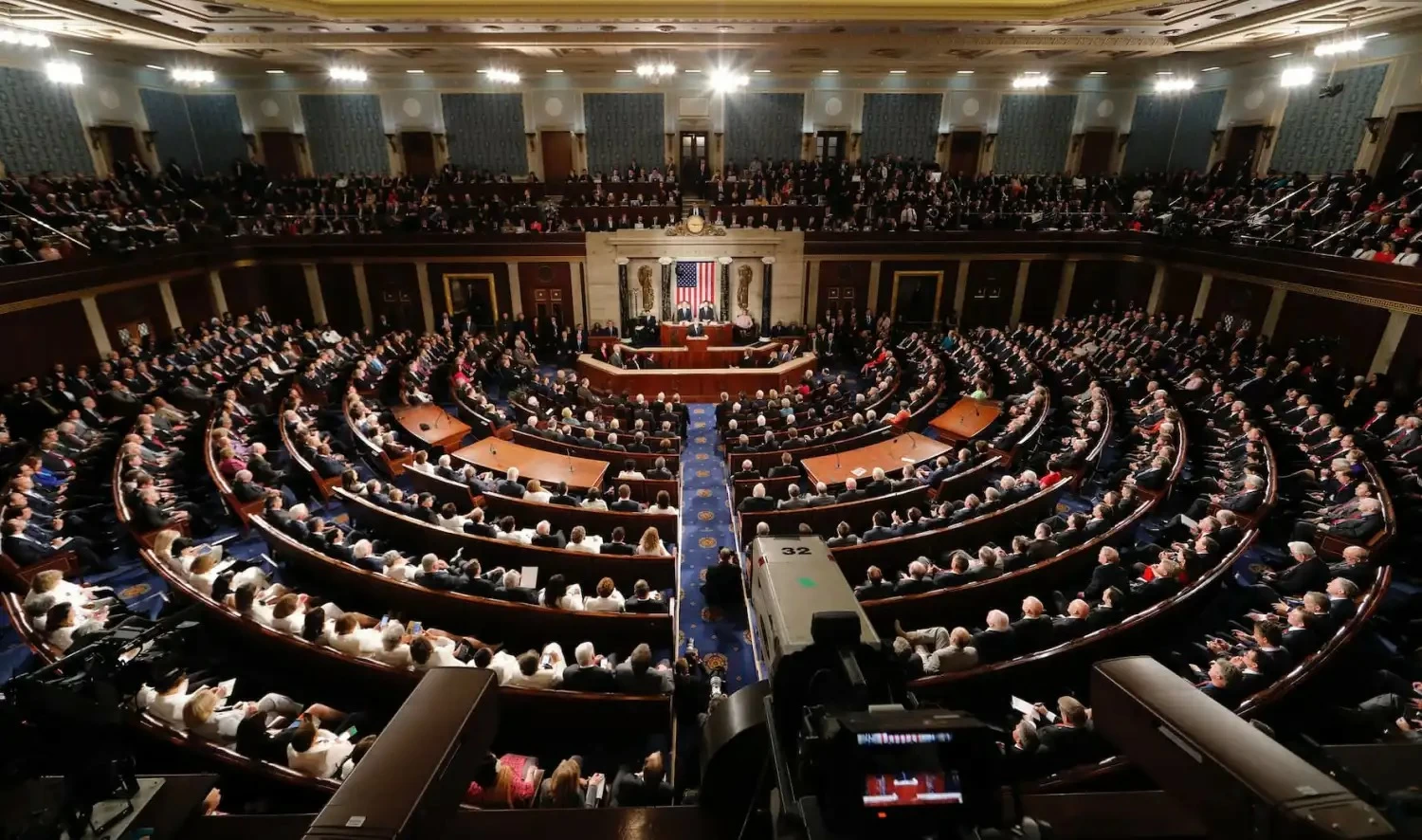
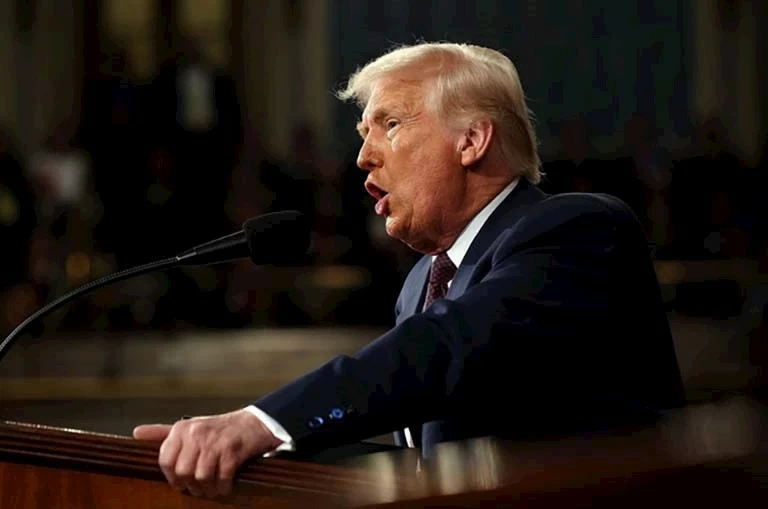
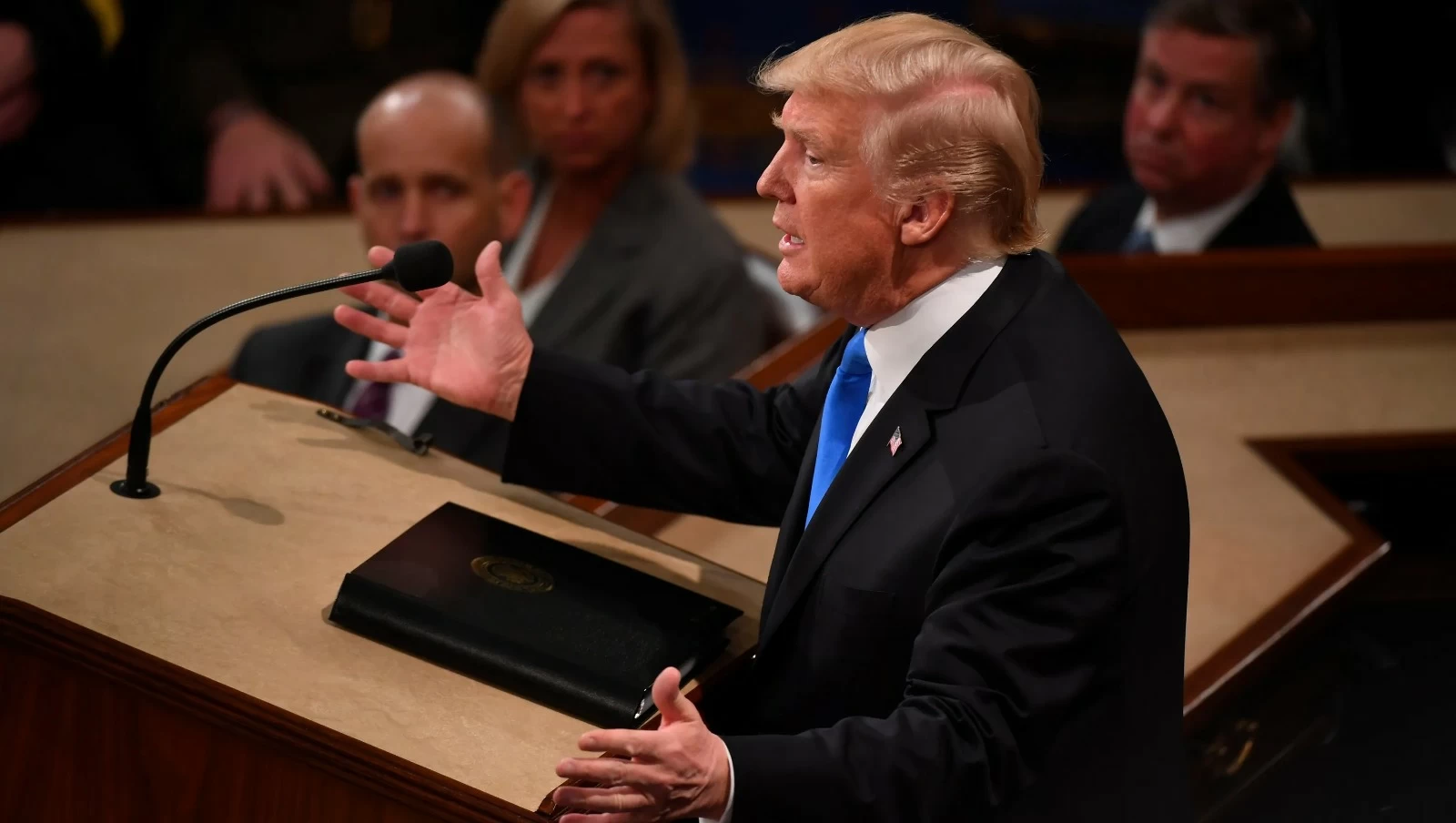
يواجه الرئيس الأمريكي دونالد ترمب اختبارا سياسيا ودستوريا معقدا في العامين الأخيرين من ولايته الثانية، بعدما انتزع الديمقراطيون السيطرة على مجلسي الكونجرس في انتخابات التجديد النصفي، بما يفتح الباب أمام مواجهة واسعة بشأن التشريعات والإنفاق والتعيينات والسياسة الخارجية.
وتمثل النتيجة تحولا كبيرا في موازين القوى بواشنطن؛ إذ تمكن الديمقراطيون من انتزاع مقاعد في ولايات كانت تعد معاقل جمهورية، بينها تكساس وكانساس وأيوا وأوهايو، في اقتراع تأثر بمخاوف الناخبين من ارتفاع تكاليف المعيشة والحرب مع إيران وأداء الإدارة الأمريكية.
ومن المتوقع أن يمنح هذا التحول الديمقراطيين قدرة أكبر على تعطيل أجندة ترمب التشريعية، وفتح تحقيقات في أداء إدارته، واستدعاء مسؤولين للاستجواب، فضلا عن استخدام صلاحيات الكونجرس الرقابية والمالية لمساءلة البيت الأبيض.
لكن خسارة الجمهوريين للأغلبية لا تعني أن الرئيس أصبح عاجزا عن الحكم أو فقد أدوات التأثير؛ فالنظام الدستوري الأمريكي يقوم على الفصل بين السلطات وتوزيع الصلاحيات، بما يمنح الرئيس مجموعة من الأوراق التي يستطيع استخدامها حتى في مواجهة كونجرس تسيطر عليه المعارضة.
وتبرز ست أوراق رئيسية في حسابات ترمب لمواجهة الأغلبية الديمقراطية، وتحويل ما تبقى من ولايته إلى مساحة للمناورة السياسية والتفاوض، بدلا من الخضوع الكامل لأجندة خصومه.
الورقة الأولى.. الفيتو الرئاسي وتعطيل التشريعات
تتمثل إحدى أقوى أدوات ترمب في حق النقض الرئاسي «الفيتو»، الذي يتيح له رفض مشروعات القوانين التي يقرها الكونجرس، بما فيها التشريعات التي قد يسعى الديمقراطيون إلى تمريرها لتقييد سياساته أو إلغاء بعض قراراته.
ولا يستطيع الكونجرس تجاوز الفيتو إلا بموافقة ثلثي الأعضاء في مجلس النواب ومجلس الشيوخ، وهي أغلبية يصعب تحقيقها في ظل الانقسام الحزبي، ما يمنح الرئيس قدرة كبيرة على منع تحويل كثير من المبادرات الديمقراطية إلى قوانين نافذة.
وفي المقابل، يستطيع الديمقراطيون تعطيل مشروعات القوانين التي تحتاج إلى موافقة المجلسين، وهو ما يضع الطرفين أمام معادلة تقوم على التفاوض أو التعطيل المتبادل.
الورقة الثانية.. الأوامر التنفيذية وتوسيع هامش الحركة
تمنح الأوامر التنفيذية ترمب وسيلة لتوجيه الوزارات والوكالات الفيدرالية وتحديد أولويات تنفيذ القوانين القائمة، دون الحاجة إلى موافقة الكونجرس على كل إجراء إداري أو تنظيمي.
ويمكن للرئيس الاستفادة من هذه الأداة في ملفات الهجرة والتجارة والطاقة وإدارة الجهاز الحكومي، خاصة عندما تصبح فرص تمرير تشريعات جديدة متوافقة مع برنامجه محدودة.
لكن هذه الصلاحية ليست بديلا عن التشريع؛ فالأوامر التنفيذية لا تمنح الرئيس حق تجاوز القوانين أو إنشاء صلاحيات لا يجيزها الدستور، كما يمكن للمحاكم وقف القرارات التي تتعارض مع القوانين أو تتجاوز حدود السلطة التنفيذية.
الورقة الثالثة.. القيادة العسكرية وقرارات الأمن القومي
يحتفظ ترمب بمنصبه قائدا أعلى للقوات المسلحة، وهو ما يمنحه دورا محوريا في إدارة الجيش وتوجيه العمليات العسكرية والقرارات التنفيذية المتعلقة بالأمن القومي.
وتكتسب هذه الورقة أهمية خاصة في ظل التوترات المرتبطة بإيران، إذ يمكن أن يتحول استخدام القوة العسكرية واستمرار العمليات الخارجية إلى واحدة من أبرز ساحات الخلاف بين البيت الأبيض والكونجرس الديمقراطي.
لكن صلاحيات الرئيس العسكرية لا تعني انفراده بكل قرارات الحرب؛ فالكونجرس يمتلك سلطة إعلان الحرب وإقرار التمويل وتنظيم القوات المسلحة، كما يضع قانون صلاحيات الحرب إطارا لمشاركة السلطتين في القرارات المتعلقة بإدخال القوات الأمريكية في الأعمال العدائية واستمرارها.
الورقة الرابعة.. الدبلوماسية والاتفاقات الدولية
تمنح صلاحيات السياسة الخارجية ترمب مساحة واسعة للتحرك الدبلوماسي والتفاوض مع الحكومات الأجنبية وإدارة العلاقات الدولية، فضلا عن إبرام اتفاقات تنفيذية لا تتطلب بالضرورة تصويتا مسبقا من مجلس الشيوخ.
ويمكن أن يستثمر الرئيس هذه الصلاحيات في ملفات الشرق الأوسط وإيران وروسيا والصين، وكذلك في العلاقات التجارية والأمنية مع الحلفاء، دون انتظار موافقة الكونجرس على كل خطوة دبلوماسية.
لكن هذه المساحة ليست مفتوحة بلا قيود؛ فالمعاهدات الرسمية تحتاج إلى موافقة ثلثي أعضاء مجلس الشيوخ الحاضرين، كما تظل العقوبات والإنفاق والتجارة خاضعة للقوانين التي يسنها الكونجرس.
الورقة الخامسة.. السيطرة على الجهاز التنفيذي
على الرغم من خسارة الجمهوريين الأغلبية التشريعية، يبقى ترمب رئيسا للسلطة التنفيذية، ويحتفظ بقدرته على توجيه الوزارات والوكالات الفيدرالية وتحديد أولويات عملها، والاستعانة بالمسؤولين الموجودين في مناصبهم لتنفيذ السياسات التي لا تتطلب تشريعات جديدة.
وتسمح هذه الورقة للرئيس بمواصلة إدارة الملفات اليومية للحكومة، وتطبيق القوانين القائمة وفق أولويات إدارته، بما يقلل من تأثير فقدان الأغلبية على بعض جوانب عمله التنفيذي.
لكن سيطرة الديمقراطيين على مجلس الشيوخ ستمنحهم نفوذا مهما في ملف التعيينات، إذ يتطلب تعيين عدد من كبار المسؤولين والسفراء والقضاة الفيدراليين موافقة المجلس. كما أن سيطرتهم على اللجان البرلمانية تتيح لهم توسيع التحقيقات والرقابة على أداء الإدارة، وطلب الوثائق واستدعاء المسؤولين.
الورقة السادسة.. سلاح الميزانية والإنفاق الحكومي
تظل الميزانية الفيدرالية إحدى أكثر ساحات المواجهة حساسية بين ترمب والكونجرس، بالنظر إلى أن الكونجرس يمتلك سلطة إقرار الاعتمادات المالية وتحديد أوجه الإنفاق الحكومي.
ويمكن للديمقراطيين استخدام هذه الصلاحية للضغط من أجل تعديل أولويات الإنفاق أو رفض تمويل بعض البرامج التي تمثل جزءا من أجندة الرئيس، بينما يستطيع ترمب رفض مشروعات قوانين الإنفاق التي لا تتوافق مع توجهاته باستخدام الفيتو.
وقد يقود تعثر التوافق بين الطرفين إلى إغلاق جزئي للحكومة الفيدرالية إذا انتهت صلاحية الاعتمادات المالية دون إقرار تمويل جديد، وهو سيناريو يجعل الميزانية أداة ضغط متبادلة، ويضع الطرفين أمام تكلفة سياسية وإدارية قد تدفعهما في النهاية إلى التفاوض.
مواجهة تتجاوز التشريعات إلى الرقابة والمساءلة
ولا تقتصر تداعيات سيطرة الديمقراطيين على مجلسي الكونجرس على تعطيل أجندة ترمب، إذ تتيح لهم الأغلبية الجديدة توسيع نطاق الرقابة البرلمانية وفتح تحقيقات في قرارات الإدارة وسياساتها، بما في ذلك الملفات المالية والأمنية والسياسة الخارجية.
كما يمتلك مجلس النواب سلطة توجيه الاتهام في إجراءات العزل، بينما يتولى مجلس الشيوخ محاكمة المسؤول الذي يواجه الاتهام، ولا تتم إدانته وعزله إلا بأغلبية الثلثين من أعضاء المجلس الحاضرين. لكن إطلاق إجراءات العزل لا يعني تلقائيا نجاحها أو خروج الرئيس من منصبه.
وتبدأ المرحلة الجديدة فعليا مع انعقاد الكونجرس المنتخب في 3 يناير 2027، عندما تنتقل السيطرة على المجلسين إلى الديمقراطيين، ويتولى زعيم الأقلية الديمقراطية في مجلس النواب حكيم جيفريز، المتوقع انتخابه رئيسا للمجلس، قيادة الأغلبية الجديدة.
U.S. President Donald Trump faces a complex political and constitutional test in the last two years of his second term, after Democrats seized control of both houses of Congress in the midterm elections, opening the door to a broad confrontation over legislation, spending, appointments, and foreign policy.
The outcome represents a significant shift in the balance of power in Washington; Democrats managed to capture seats in states that were considered Republican strongholds, including Texas, Kansas, Iowa, and Ohio, in a vote influenced by voters' concerns over rising living costs, the war with Iran, and the performance of the U.S. administration.
This shift is expected to give Democrats greater power to disrupt Trump’s legislative agenda, open investigations into his administration’s performance, summon officials for questioning, as well as use Congress's oversight and financial powers to hold the White House accountable.
However, the Republicans' loss of the majority does not mean that the president has become powerless to govern or has lost his tools of influence; the U.S. constitutional system is based on the separation of powers and the distribution of authorities, which grants the president a set of cards that he can use even in the face of a Congress controlled by the opposition.
Six main cards emerge in Trump's calculations to confront the Democratic majority and turn the remainder of his term into a space for political maneuvering and negotiation, rather than complete submission to his opponents' agenda.
The first card.. the presidential veto and blocking legislation
One of Trump's strongest tools is the presidential veto, which allows him to reject bills passed by Congress, including legislation that Democrats may seek to pass to restrict his policies or overturn some of his decisions.
Congress can only override the veto with a two-thirds majority in both the House of Representatives and the Senate, a majority that is difficult to achieve amid partisan division, which gives the president significant power to prevent many Democratic initiatives from becoming law.
Conversely, Democrats can block bills that require approval from both chambers, placing both sides in a situation based on negotiation or mutual obstruction.
The second card.. executive orders and expanding the margin of movement
Executive orders provide Trump with a means to direct federal departments and agencies and set priorities for implementing existing laws, without needing Congress's approval for every administrative or regulatory action.
The president can leverage this tool in immigration, trade, energy, and government management issues, especially when opportunities to pass new legislation that aligns with his agenda become limited.
However, this authority is not a substitute for legislation; executive orders do not grant the president the right to override laws or create powers not authorized by the Constitution, and courts can halt decisions that conflict with laws or exceed executive authority.
The third card.. military leadership and national security decisions
Trump retains his position as Commander-in-Chief of the Armed Forces, which gives him a central role in managing the military and directing military operations and executive decisions related to national security.
This card gains particular importance amid tensions related to Iran, as the use of military force and the continuation of external operations could become one of the most prominent areas of disagreement between the White House and the Democratic Congress.
However, the president's military powers do not mean he alone makes all war decisions; Congress holds the authority to declare war, approve funding, and regulate the armed forces, and the War Powers Act establishes a framework for both branches' participation in decisions related to deploying U.S. forces in hostilities and their continuation.
The fourth card.. diplomacy and international agreements
Foreign policy powers grant Trump a wide space for diplomatic movement and negotiation with foreign governments and managing international relations, as well as entering into executive agreements that do not necessarily require prior Senate voting.
The president can leverage these powers in Middle Eastern, Iranian, Russian, and Chinese issues, as well as in trade and security relations with allies, without waiting for Congress's approval for every diplomatic step.
However, this space is not open without restrictions; formal treaties require the approval of two-thirds of the present Senate members, and sanctions, spending, and trade remain subject to laws enacted by Congress.
The fifth card.. control over the executive branch
Despite the Republicans losing their legislative majority, Trump remains the head of the executive branch, retaining his ability to direct federal departments and agencies and set their work priorities, utilizing officials in their positions to implement policies that do not require new legislation.
This card allows the president to continue managing the daily affairs of the government and applying existing laws according to his administration's priorities, thus reducing the impact of losing the majority on some aspects of his executive work.
However, Democratic control of the Senate will give them significant influence over appointments, as the confirmation of several senior officials, ambassadors, and federal judges requires Senate approval. Their control over parliamentary committees also allows them to expand investigations and oversight of the administration's performance, request documents, and summon officials.
The sixth card.. the budget weapon and government spending
The federal budget remains one of the most sensitive battlegrounds between Trump and Congress, given that Congress holds the authority to approve appropriations and determine government spending priorities.
Democrats can use this power to push for changes in spending priorities or reject funding for certain programs that are part of the president's agenda, while Trump can veto spending bills that do not align with his views.
The failure to reach an agreement between the two sides could lead to a partial government shutdown if appropriations expire without new funding being approved, a scenario that makes the budget a tool of mutual pressure and places both sides before a political and administrative cost that may ultimately drive them to negotiate.
Confrontation that goes beyond legislation to oversight and accountability
The implications of the Democrats' control of both houses of Congress are not limited to obstructing Trump's agenda; their new majority allows them to expand parliamentary oversight and open investigations into the administration's decisions and policies, including financial, security, and foreign policy issues.
The House of Representatives also has the authority to initiate impeachment proceedings, while the Senate conducts the trial of the official facing charges, and conviction and removal from office can only occur with a two-thirds majority of the present members of the chamber. However, initiating impeachment proceedings does not automatically mean their success or the president's removal from office.
The new phase effectively begins with the convening of the elected Congress on January 3, 2027, when control of both chambers passes to the Democrats, and Democratic Minority Leader in the House Hakeem Jeffries, expected to be elected as Speaker of the House, leads the new majority.