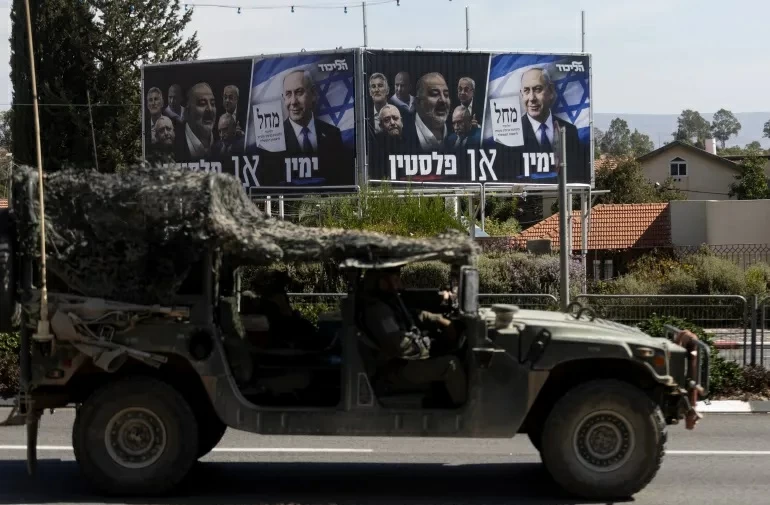
تشهد إسرائيل معركة سياسية محتدمة على قيادة الحكومة القادمة، في أعقاب انتخابات الكنيست التي أفرزت خريطة برلمانية معقدة، وفتحت الباب أمام صراعاً على الشرعية وتشكيل التحالفات، وسط انقساماً حاداً بين معسكر رئيس الوزراء الحالي بنيامين نتنياهو، ومعسكر التغيير المعارض الذي يتقدم فيه رئيس حزب «يشار» غادي آيزنكوت، في وقت تتزايد فيه الاتهامات المتبادلة بشأن مستقبل الحكم ومخاطر توظيف الأزمات الأمنية في الصراع السياسي.
وبينما يتمسك نتنياهو بحقه في قيادة الحكومة القادمة، مستنداً إلى تصدر حزب الليكود نتائج الانتخابات، تتجه أحزاب المعارضة إلى توحيد صفوفها خلف آيزنكوت، في محاولةً لتغيير القيادة ومنع استمرار حكومة يهيمن عليها نتنياهو وحلفاؤه. وتأتي هذه التحركات بالتزامن مع اقتراب مشاورات الرئيس الإسرائيلي إسحاق هرتسوغ بشأن تكليف الشخصية التي ستتولى محاولة تشكيل الحكومة، وسط ترقباً لموقف الأحزاب العربية ودورها في حسم مسار التكليف.
وفي ظل هذا المشهد، تتجاوز المعركة حدود توزيع الحقائب الوزارية إلى مواجهةً سياسية أوسع بشأن مستقبل القيادة الإسرائيلية، وطبيعة الحكومة القادمة، وإمكانية تجنب انتخابات جديدة، فيما تتبادل القوى السياسية الاتهامات بشأن استغلال الملفات الأمنية، بما فيها التوتر مع إيران، لتحقيق مكاسب داخلية وإطالة أمد البقاء في السلطة.
نتنياهو يتمسك بالقيادة
وأكد رئيس الوزراء الإسرائيلي بنيامين نتنياهو، اليوم (الاثنين)، انفتاحه على إجراء محادثات لتشكيل حكومة واسعة، لكنه شدد على أن تكون برئاسته، في موقف يعكس تمسكه بقيادة المرحلة السياسية القادمة رغم التحركات المعارضة الرامية إلى منعه من تشكيل الحكومة.
وقال نتنياهو إن حزب «ليكود» الذي يتزعمه يسعى إلى «تشكيل حكومة واسعة مع شركائنا، ومع أي طرف يرغب في ذلك ولا يدعم الإرهاب»، مضيفاً: «أنا منفتح على إجراء محادثات بهذا الشأن».
وحاول نتنياهو تعزيز موقفه السياسي بالاستناد إلى نتائج الانتخابات، قائلاً إن «أغلبية واضحة من الجمهور اليهودي اختارت حزب ليكود كأكبر حزب، واختارتني رئيساً للوزراء لقيادة الحكومة القادمة».
وفي سياق مساعيه لتوسيع قاعدة الحكومة، زعم نتنياهو أن الجمهور الإسرائيلي لا يريد حكومة تعتمد على القائمة العربية الموحدة والقائمة المشتركة، في إشارةً إلى رفضه الاستناد إلى الأحزاب العربية في تشكيل ائتلافه، رغم أهمية أصواتها في الحسابات البرلمانية.
وتكشف تصريحات نتنياهو عن مساعٍ لإعادة تثبيت شرعيته السياسية، وتقديم تصدر الليكود نتائج الانتخابات باعتباره تفويضاً لقيادة الحكومة، في وقت تواجه فيه هذه الرؤية تحدياً من أحزاب المعارضة التي تسعى إلى استثمار نتائج الانتخابات لتغيير رئيس الوزراء.
نزاهة الانتخابات تحت المجهر
وفي خضم الجدل السياسي، أكد رئيس لجنة الانتخابات الإسرائيلية، قاضي المحكمة العليا نوعام سولبرج، أن الانتخابات أُجريت بصورةً سليمة، وأن نتائجها تعكس إرادة الناخبين، مشدداً على أن شبهات التدخل الأجنبي، حتى إذا ثبتت صحتها، لن تقوض نزاهة العملية الانتخابية أو نتائجها ككل.
وقال سولبرج، في رسالةً مصورةً ظهر فيها إلى جانب رئيس جهاز الأمن الداخلي «الشاباك» دافيد زيني، والمستشارة القضائية للحكومة جالي بهاراف ميارا، والمدير العام بالإنابة للجنة الانتخابات دين ليفني، إن النتائج الرسمية ستقدم إلى الرئيس إسحق هرتسوغ هذا الأسبوع وفق الجدول المقرر، على أن يؤدي أعضاء الكنيست الجديد اليمين الأسبوع القادم.
وبحسب صحيفة «تايمز أوف إسرائيل»، أوضح سولبرج أن تصريحاته تعبر أيضاً عن موقفَي زيني وبهاراف ميارا، في مواجهة مزاعم روّج لها حزب الليكود بزعامة نتنياهو بشأن تعرض الانتخابات للسرقة أو التلاعب من جهات أجنبية معادية.
ويأتي هذا التأكيد في وقت تسعى فيه القوى السياسية إلى تثبيت روايتها بشأن نتائج الانتخابات، وسط مخاوف من أن يتحول الجدل حول التدخل الخارجي إلى عاملٍ إضافي في الاستقطاب الداخلي، خصوصاً مع اقتراب موعد تسليم النتائج الرسمية وبدء إجراءات تشكيل الحكومة.
معركة الأرقام والتحالفات
وأفرزت الانتخابات مواجهةً برلمانيةً بين معسكرين رئيسيين، إذ حصل حزب الليكود على 53 مقعداً، مقابل 48 مقعداً لمعسكر التغيير، فيما انتزعت الأحزاب العربية 19 مقعداً، من أصل 120 مقعداً في الكنيست.
وتفرض هذه النتائج على القوى السياسية البحث عن تحالفات قادرة على تجاوز عتبة 61 مقعداً اللازمة لتشكيل الحكومة، ما يجعل مواقف الأحزاب الصغيرة والأحزاب العربية عاملاً حاسماً في تحديد هوية المكلف بمحاولة تشكيل الحكومة، وكذلك فرص نجاحه في حشد أغلبية برلمانية.
وفي هذا الإطار، التقى زعيم حزب «هناك مستقبل» يائير لبيد ورئيس حزب «يشار» غادي آيزنكوت، لبحث نتائج الانتخابات وتنسيق الخطوات القادمة، وسط مساعٍ يقودها آيزنكوت لتشكيل حكومة صهيونية واسعة وتجنب الذهاب إلى انتخابات جديدة، وفق شروط محددة.
وتعكس هذه اللقاءات محاولةً معسكر التغيير الانتقال من مرحلة التنسيق السياسي إلى بناء كتلة قادرة على منافسة الليكود، وتقديم بديلٍ حكومي يحظى بدعم الأحزاب المعارضة، في مواجهة إصرار نتنياهو على البقاء في رئاسة الحكومة.
آيزنكوت يحشد المعارضة
ويحظى غادي آيزنكوت بدعمٍ متنامٍ من أحزاب المعارضة لتكليفه بمحاولة تشكيل الحكومة القادمة، بعدما قرر يائير غولان وأفيغدور ليبرمان ورئيس حزب «معا» نفتالي بينيت التوصية بمنحه الثقة، في خطوةً تمنحه، وفق المعطيات الواردة، 48 مقعداً حتى الآن.
ويمثل هذا الدعم محاولةً لتوحيد مكونات معسكر التغيير خلف شخصيةً واحدة، بما يعزز فرصه في مواجهة نتنياهو خلال المشاورات الرئاسية، ويمنح المعارضة فرصةً لتقديم نفسها باعتبارها البديل القادر على تشكيل حكومة جديدة.
وتتجه حسابات آيزنكوت إلى استقطاب مزيدٍ من القوى السياسية، وتوسيع دائرة التفاهمات، في ظل صعوبة تشكيل حكومة مستقرة دون اتفاقات تتجاوز حدود الأحزاب الرئيسية، كما يبرز تجنب انتخابات جديدة بوصفه أحد الأهداف التي تدفع المعارضة إلى تنسيق مواقفها، خصوصاً في ظل الانقسام الحاد الذي أفرزته النتائج.
الأحزاب العربية تدخل الحسابات
وفي تطورٍ يعكس أهمية الكتلة العربية في معادلة تشكيل الحكومة، عقدت الأحزاب العربية الممثلة في الكنيست، اليوم، اجتماعاً لتنسيق مواقفها قبيل إطلاق الرئيس الإسرائيلي إسحاق هرتسوغ، (الأربعاء)، مشاورات تحديد المكلف بمحاولة تشكيل الحكومة، في أول اجتماعٍ لهذه الأحزاب منذ الانتخابات.
وقال رئيس كتلة القائمة المشتركة في الكنيست أحمد الطيبي إن الاجتماع يمثل «اجتماعاً تنسيقياً وتشاوريّاً بين قيادات القائمة العربية المشتركة والقائمة العربية الموحدة»، موضحاً أن الهدف إسقاط حكومة نتنياهو وبن غفير وسموتريتش، والمجيء بحكومة تغيير.
ووفق وكالة الأناضول، ترجح التوقعات في إسرائيل انضمام القائمتين العربيتين، المشتركة والموحدة، إلى التوصية بتكليف آيزنكوت تشكيل الحكومة، بما يمنحه الأغلبية اللازمة للتكليف.
وتضع هذه التوقعات الأحزاب العربية أمام دورٍ مؤثرٍ في المشاورات القادمة، إذ قد تسهم توصياتها في ترجيح كفة آيزنكوت، وتوسيع فرص معسكر التغيير في الحصول على التكليف، رغم أن نجاح تشكيل الحكومة سيظل مرتبطاً بقدرته على استكمال التفاهمات البرلمانية اللازمة.
في الوقت ذاته، يسعى نتنياهو إلى تحويل تصدر الليكود نتائج الانتخابات إلى تفويضٍ سياسي لتشكيل حكومة واسعة بقيادته، وتعمل المعارضة على توحيد توصياتها خلف آيزنكوت، مستفيدةً من دعم أحزاب عدة ومواقف الأحزاب العربية.
وتبقى فرص تشكيل الحكومة مرهونةً بقدرة كل معسكر على حشد 61 مقعداً، وتجاوز الخلافات الداخلية، وتقديم ضمانات سياسية للأطراف التي ستنضم إلى التحالف.
وفي ظل هذه الحسابات، تبدو إسرائيل أمام مرحلةً تفاوضيةً معقدة، تتداخل فيها شرعية النتائج الانتخابية مع صراع القيادة، وتضع مستقبل الحكومة القادمة بين خيار التوافق على ائتلافٍ جديد أو العودة إلى صناديق الاقتراع.
Israel is witnessing an intense political battle over the leadership of the next government, following the Knesset elections that produced a complex parliamentary map, opening the door to a struggle for legitimacy and coalition formation, amid a sharp division between the camp of current Prime Minister Benjamin Netanyahu and the opposing change camp led by Yair Lapid, as accusations are exchanged regarding the future of governance and the risks of exploiting security crises in the political struggle.
While Netanyahu insists on his right to lead the upcoming government, based on the Likud party's top position in the election results, opposition parties are moving towards uniting behind Lapid in an attempt to change leadership and prevent the continuation of a government dominated by Netanyahu and his allies. These moves come as consultations by Israeli President Isaac Herzog regarding the assignment of the person who will attempt to form the government are approaching, amid anticipation of the position of the Arab parties and their role in determining the course of the assignment.
In this context, the battle goes beyond the distribution of ministerial portfolios to a broader political confrontation regarding the future of Israeli leadership, the nature of the upcoming government, and the possibility of avoiding new elections, while political forces exchange accusations about exploiting security files, including tensions with Iran, to achieve internal gains and prolong their stay in power.
Netanyahu Clings to Leadership
Israeli Prime Minister Benjamin Netanyahu confirmed today (Monday) his openness to conducting talks to form a broad government, but emphasized that it should be under his leadership, reflecting his insistence on leading the upcoming political phase despite opposition movements aimed at preventing him from forming the government.
Netanyahu stated that the Likud party he leads seeks to "form a broad government with our partners, and with any party that wishes to do so and does not support terrorism," adding, "I am open to conducting talks in this regard."
He tried to bolster his political position by relying on the election results, saying that "a clear majority of the Jewish public chose the Likud party as the largest party and chose me as Prime Minister to lead the upcoming government."
In the context of his efforts to expand the government's base, Netanyahu claimed that the Israeli public does not want a government dependent on the United Arab List and the Joint List, indicating his refusal to rely on Arab parties in forming his coalition, despite the importance of their votes in parliamentary calculations.
Netanyahu's statements reveal efforts to re-establish his political legitimacy, presenting the Likud's leading position in the election results as a mandate to lead the government, at a time when this vision faces challenges from opposition parties seeking to leverage the election results to change the Prime Minister.
Election Integrity Under Scrutiny
Amid the political controversy, the head of the Israeli Elections Committee, Supreme Court Justice Noam Solberg, confirmed that the elections were conducted properly and that their results reflect the will of the voters, stressing that suspicions of foreign interference, even if proven true, will not undermine the integrity of the electoral process or its overall results.
Solberg stated in a video message alongside the head of the internal security service "Shabak" David Zini, the government's legal advisor Gali Baharav-Miara, and the acting director-general of the Elections Committee, Dean Livni, that the official results will be presented to President Isaac Herzog this week as scheduled, with the new Knesset members to take their oath next week.
According to the "Times of Israel," Solberg clarified that his statements also reflect the positions of Zini and Baharav-Miara, in response to claims promoted by the Likud party led by Netanyahu regarding the elections being stolen or manipulated by hostile foreign entities.
This confirmation comes at a time when political forces are trying to solidify their narrative regarding the election results, amid fears that the debate over foreign interference could become an additional factor in internal polarization, especially with the approaching deadline for delivering the official results and the start of government formation procedures.
The Battle of Numbers and Alliances
The elections resulted in a parliamentary confrontation between two main camps, with the Likud party obtaining 53 seats, compared to 48 seats for the change camp, while the Arab parties secured 19 seats out of 120 in the Knesset.
These results compel political forces to seek alliances capable of surpassing the 61-seat threshold necessary to form a government, making the positions of small parties and Arab parties a decisive factor in determining the identity of the person tasked with attempting to form the government, as well as their chances of successfully rallying a parliamentary majority.
In this context, Yair Lapid, leader of the "Yesh Atid" party, met with Gadi Eisenkot, head of the "Yashar" party, to discuss the election results and coordinate the next steps, amid efforts led by Eisenkot to form a broad Zionist government and avoid new elections, under specific conditions.
These meetings reflect the change camp's attempt to move from a phase of political coordination to building a bloc capable of competing with the Likud and presenting a governmental alternative that enjoys the support of opposition parties, in the face of Netanyahu's insistence on remaining in the leadership of the government.
Eisenkot Mobilizes the Opposition
Gadi Eisenkot enjoys growing support from opposition parties for his appointment to attempt to form the next government, after Yair Golan, Avigdor Lieberman, and Naftali Bennett, head of the "Together" party, decided to recommend granting him confidence, a move that, according to available data, gives him 48 seats so far.
This support represents an attempt to unify the components of the change camp behind a single figure, enhancing his chances in facing Netanyahu during the presidential consultations, and giving the opposition an opportunity to present itself as the viable alternative capable of forming a new government.
Eisenkot's calculations aim to attract more political forces and expand the circle of understandings, amid the difficulty of forming a stable government without agreements that transcend the main parties, while avoiding new elections emerges as one of the goals driving the opposition to coordinate its positions, especially in light of the sharp division produced by the results.
The Arab Parties Enter the Calculations
In a development that reflects the importance of the Arab bloc in the government formation equation, the Arab parties represented in the Knesset held a meeting today to coordinate their positions ahead of Israeli President Isaac Herzog's consultations on Wednesday to determine the person tasked with attempting to form the government, in the first meeting of these parties since the elections.
Ahmad Tibi, head of the Joint List in the Knesset, stated that the meeting represents "a coordinating and consultative meeting between the leaderships of the Joint Arab List and the United Arab List," explaining that the goal is to bring down Netanyahu's government and that of Ben Gvir and Smotrich, and to bring in a government of change.
According to Anadolu Agency, expectations in Israel suggest that the two Arab lists, the Joint and the United, will join the recommendation to assign Eisenkot to form the government, which would give him the necessary majority for the assignment.
These expectations place the Arab parties in a significant role in the upcoming consultations, as their recommendations could tip the balance in favor of Eisenkot and expand the change camp's chances of obtaining the assignment, although the success of forming the government will remain linked to his ability to complete the necessary parliamentary understandings.
At the same time, Netanyahu seeks to turn the Likud's leading position in the election results into a political mandate to form a broad government under his leadership, while the opposition works to unify its recommendations behind Eisenkot, benefiting from the support of several parties and the positions of the Arab parties.
The chances of forming a government remain contingent on each camp's ability to rally 61 seats, overcome internal disagreements, and provide political guarantees to the parties that will join the coalition.
In light of these calculations, Israel appears to be facing a complex negotiation phase, where the legitimacy of the election results intertwines with the struggle for leadership, placing the future of the upcoming government between the option of agreeing on a new coalition or returning to the ballot boxes.