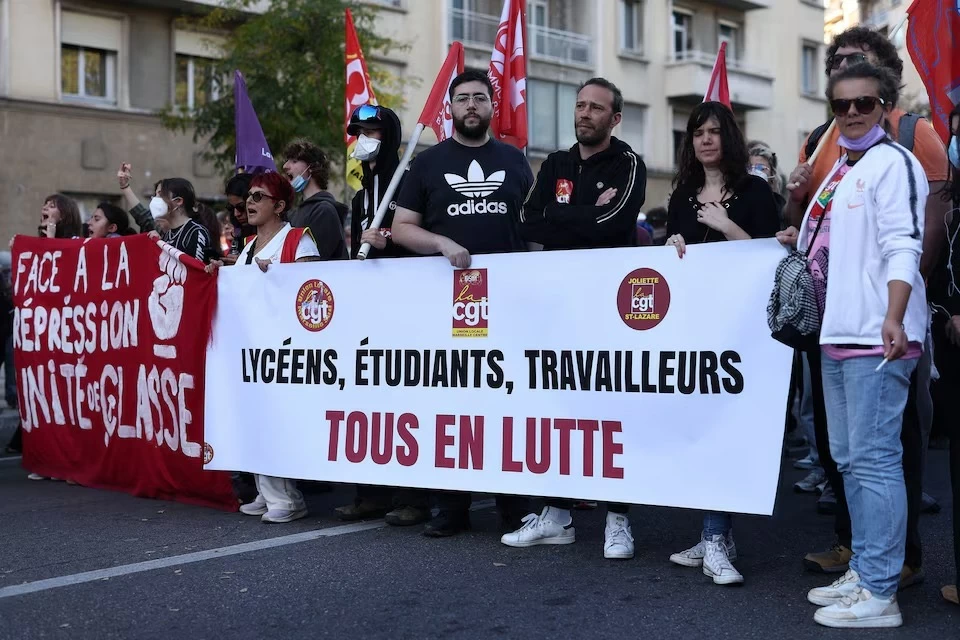
عادت احتجاجات «جيل زد» إلى شوارع فرنسا، اليوم (الاثنين) مع استئناف الدراسة بعد عطلة استمرت أسبوعين، وسط محاولات طلابية لإغلاق عدد من المدارس الثانوية، وتصاعد المطالب بتطوير المنظومة التعليمية وزيادة فرص الالتحاق بالجامعات وتحسين الأوضاع المعيشية.
ورغم تعهد الحكومة بضخ 4 مليارات يورو لتجديد المدارس، يرى ممثلو الطلاب أن هذه الإجراءات لا تزال دون مستوى تطلعاتهم، ما ينذر باستمرار موجة الاحتجاجات.
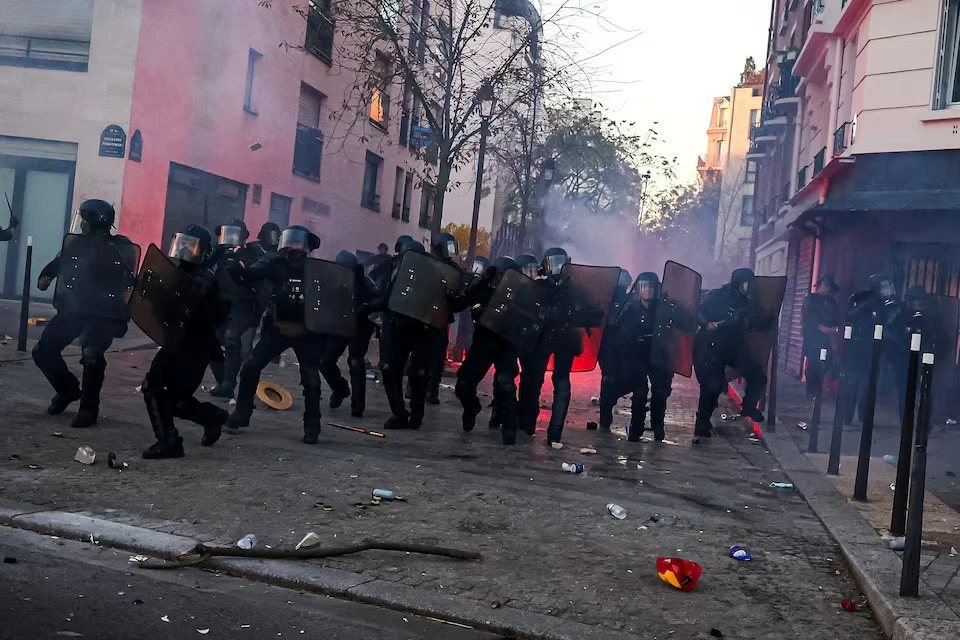
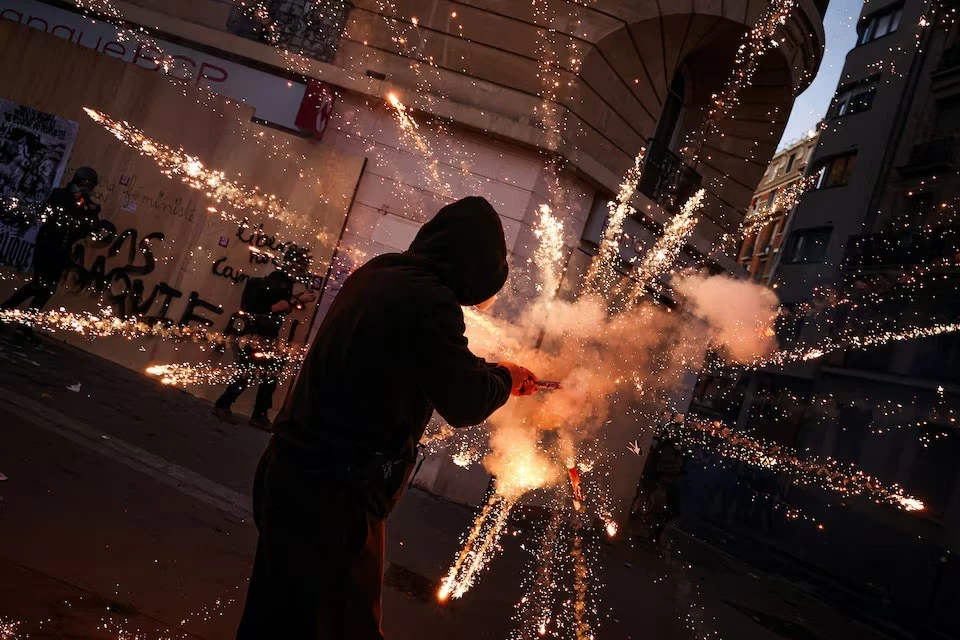
وتأتي هذه التحركات امتدادًا لموجة احتجاجات طلابية بدأت في ضواحي باريس خلال سبتمبر الماضي، قبل أن تنتشر في مناطق مختلفة من البلاد، وتتجاوز المطالب المتعلقة بالتعليم لتشمل ارتفاع تكاليف المعيشة والأوضاع الاقتصادية، مع انضمام نقابيين ونشطاء إلى الاحتجاجات التي شهد بعضها مواجهات وأعمال عنف.
وكانت مئات المدارس الثانوية، من إجمالي أكثر من 3 آلاف مدرسة في فرنسا، قد تعرضت للإغلاق أو محاولات الإغلاق خلال الأسابيع التي سبقت العطلة.
الحكومة: محاولات الإغلاق محدودة
وفي تعليقه على عودة الاحتجاجات، قال وزير التعليم الفرنسي إدوار جفراي، في تصريحات لإذاعة «فرانس إنتر»، صباح الاثنين، إن محاولات إغلاق المدارس لا تزال محدودة للغاية، ولا تتجاوز عددًا قليلًا من المؤسسات التعليمية.
وأكد الوزير أن الاحتجاجات مسموح بها، لكن منع الطلاب والعاملين من الوصول إلى المدارس يُعد أمرًا غير قانوني.
وأظهرت لقطات تلفزيونية وجود عناصر من الشرطة بالقرب من عدد من المدارس، دون ارتداء معدات مكافحة الشغب الكاملة.
مطالب بتطوير المدارس وزيادة فرص التعليم الجامعي
ويرفع الطلاب المحتجون مجموعة من المطالب، أبرزها تجديد المدارس القديمة والمتهالكة، وتوفير المزيد من المعلمين، وزيادة أعداد الأماكن المتاحة في الجامعات، إلى جانب إلغاء نظام القبول الجامعي الحالي الذي يرون أنه لا يحقق العدالة الاجتماعية وتكافؤ الفرص بين الطلاب.
وتندرج هذه المطالب ضمن موجة أوسع من احتجاجات الشباب المعروفة باسم «احتجاجات جيل زد»، التي امتدت إلى عدد من الدول الأوروبية، بينها ألمانيا وإيطاليا وبلجيكا وألبانيا، مدفوعة بمخاوف تتعلق بارتفاع تكاليف المعيشة وتراجع جودة التعليم والفساد المتصور في المؤسسات.
4 مليارات يورو لتطوير المدارس.. والطلاب يرفضون المقترحات
وفي محاولة لاحتواء الغضب الطلابي، قدم وزير التعليم الفرنسي، الأسبوع الماضي، مجموعة من المقترحات الإصلاحية، تضمنت تحديد الحد الأقصى لعدد الطلاب في الفصل الواحد عند 28 طالبًا، وتخصيص 4 مليارات يورو لتجديد المدارس، بما يعادل نحو 4.47 مليار دولار.
كما تضمنت المقترحات توفير 15 ألف مكان إضافي للطلاب في مؤسسات التعليم العالي، وإقرار نظام جديد للقبول الجامعي بحلول عام 2028.
ورغم هذه التعهدات، اعتبر ممثلو طلاب المدارس الثانوية أن الإجراءات الحكومية غير كافية لتلبية مطالبهم، مؤكدين عزمهم مواصلة الاحتجاجات والضغط من أجل تنفيذ إصلاحات أوسع.
اختبار جديد لحكومة ماكرون
وتشكل عودة التحركات الطلابية اختبارًا جديدًا للحكومة الفرنسية التي تواجه تحديات سياسية واجتماعية متزايدة، خاصة بعد أن تحولت احتجاجات الشهر الماضي في عدد من المدن إلى مواجهات عنيفة مع الشرطة وأعمال شغب، شملت عمليات نهب لمتاجر وممتلكات عامة وخاصة.
وتضع هذه التطورات حكومة الرئيس إيمانويل ماكرون أمام تحدٍ جديد لاحتواء الغضب الشبابي، وتحقيق التوازن بين ضمان الحق في الاحتجاج والحفاظ على انتظام العملية التعليمية، وسط استمرار الخلاف بشأن مدى كفاية الإصلاحات المقترحة للاستجابة لمطالب الطلاب.
The "Generation Z" protests returned to the streets of France today (Monday) as classes resumed after a two-week holiday, amid student attempts to close several high schools and rising demands for educational system reform, increased university enrollment opportunities, and improved living conditions.
Despite the government's pledge to inject 4 billion euros to renovate schools, student representatives believe these measures still fall short of their aspirations, signaling the continuation of the wave of protests.
These actions come as an extension of a wave of student protests that began in the suburbs of Paris last September, before spreading to various regions of the country, with demands extending beyond education to include rising living costs and economic conditions, as union members and activists joined the protests, some of which witnessed clashes and violence.
Hundreds of high schools, out of more than 3,000 schools in France, faced closures or attempted closures in the weeks leading up to the holiday.
Government: Closure Attempts Are Limited
Commenting on the return of the protests, French Education Minister Edouard Geffray stated in remarks to France Inter radio on Monday morning that attempts to close schools remain very limited and do not exceed a few educational institutions.
The minister confirmed that protests are allowed, but preventing students and staff from accessing schools is considered illegal.
Television footage showed police presence near several schools, without wearing full riot gear.
Demands for School Development and Increased University Opportunities
The protesting students are raising a set of demands, the most prominent of which include renovating old and dilapidated schools, providing more teachers, increasing the number of available spots in universities, and abolishing the current university admission system, which they believe does not achieve social justice and equal opportunities among students.
These demands fall within a broader wave of youth protests known as "Generation Z Protests," which have spread to several European countries, including Germany, Italy, Belgium, and Albania, driven by concerns about rising living costs, declining education quality, and perceived corruption in institutions.
4 Billion Euros for School Development... and Students Reject Proposals
In an attempt to contain student anger, the French Education Minister presented a set of reform proposals last week, which included capping the maximum number of students in a single class at 28, and allocating 4 billion euros for school renovations, equivalent to about 4.47 billion dollars.
The proposals also included providing an additional 15,000 spots for students in higher education institutions and establishing a new university admission system by 2028.
Despite these commitments, representatives of high school students deemed the government measures insufficient to meet their demands, affirming their determination to continue protests and push for broader reforms.
A New Test for Macron's Government
The return of student movements poses a new test for the French government, which faces increasing political and social challenges, especially after last month's protests in several cities turned into violent confrontations with police and riots, including looting of stores and public and private properties.
These developments place President Emmanuel Macron's government before a new challenge to contain youth anger and achieve a balance between ensuring the right to protest and maintaining the regularity of the educational process, amid ongoing disputes over the adequacy of the proposed reforms to respond to student demands.