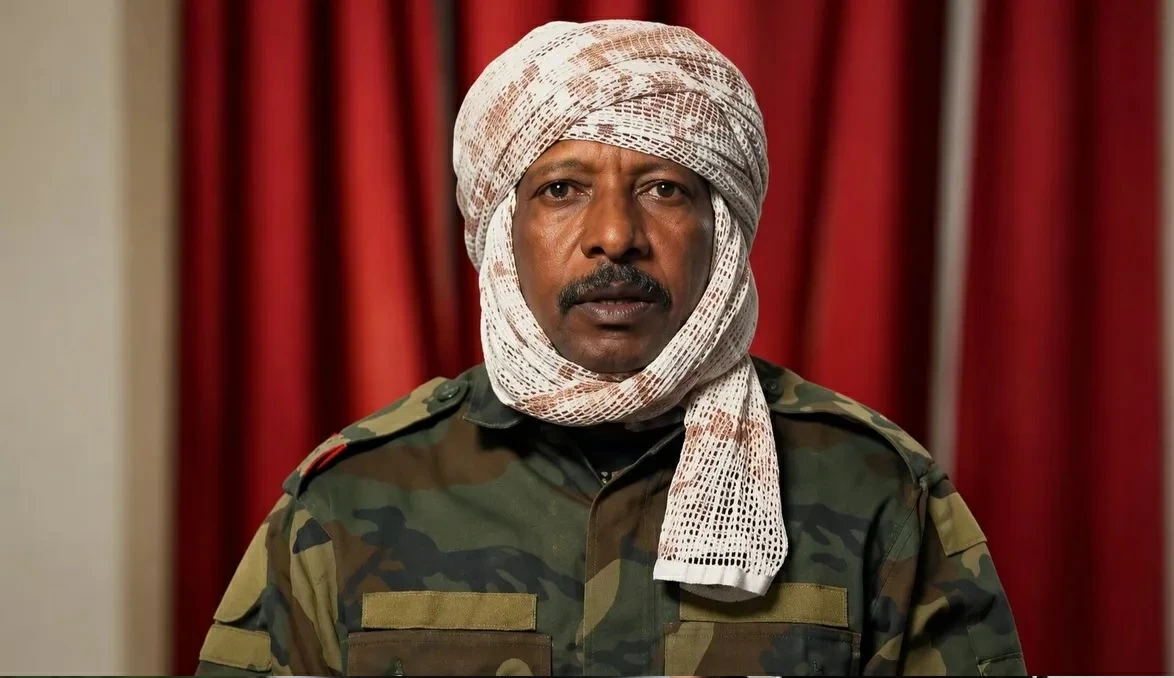
تتواصل الانشقاقات في صفوف قوات الدعم السريع، وأعلن اللواء صديق عبد الرحمن أندر انضمامه إلى الجيش السوداني، في خطوة تتجاوز دلالتها العسكرية إلى إرباك التحالفات السياسية والهياكل التي تعمل قيادة محمد حمدان دقلو (حميدتي) على ترسيخها.
وقال أندر، في تسجيل مصور، إنه فك ارتباطه الكامل بقوات «الدعم السريع» وتحالف «تأسيس» الذي تتزعمه، داعياً عناصر مجموعته إلى مغادرة القوات والالتحاق بالجيش السوداني، في واحدة من أبرز حالات الانشقاق التي شهدتها القوات خلال الفترة الأخيرة، بالنظر إلى موقعه القيادي والمهام التي كان يتولاها.
اتهامات لقيادة حميدتي
وبرر أندر انشقاقه بأنه توصل إلى قناعة بأن المشروع الذي كان يقاتل من أجله لم يعد يحقق أهداف بناء دولة سودانية موحدةً وإنهاء التهميش، موضحاً أنه انضم سابقاً إلى «الدعم السريع» اعتقاداً منه بأنها تحمل مشروعاً وطنياً يقوم على المساواة بين المواطنين دون تمييز عرقي أو اجتماعي، غير أن تطورات الحرب قادته إلى استنتاج مغاير.
واتهم قيادة قوات الدعم السريع بتوظيف المشروع لخدمة مصالح أسرة دقلو، كاشفاً عن ضغوط يتعرض لها المعارضون داخل صفوفها، تشمل الإبعاد والسجن والتصفية. كما اتهم القيادي المنشق أطرافاً خارجيةً بدعم المشروع الذي أعلن رفضه، عبر الأموال والسلاح والمقاتلين، مؤكداً إنهاء علاقته بالقوات وتحالف «تأسيس».
من هو أندر؟
ويُعد أندر من القيادات الميدانية البارزة في «الدعم السريع»، إذ يقود المجموعة 15، وسبق أن تولى رئاسة لجنة الاستنفار والحشد والتجنيد، وهي لجنة تضطلع بمهام تعبئة المقاتلين واستقطاب عناصر جديدة لتعزيز صفوف القوات خلال الحرب المستمرة في السودان منذ أبريل 2023. كما يرأس تجمع قوى تحرير السودان للإصلاح والتنمية، أحد التكوينات السياسية والعسكرية التي انضوت ضمن المعسكر الداعم لـ«الدعم السريع» خلال مراحل الصراع.
وبرز دور أندر خلال الحرب في عمليات التعبئة الميدانية والتجنيد، خصوصاً في إقليم دارفور ومناطق غرب السودان، ما منحه ثقلاً داخل الهيكل التنظيمي للقوات، وجعل انشقاقه يحمل أبعاداً تتجاوز انتقال قائد ميداني إلى صفوف الجيش.
أهمية انشقاقه عن الدعم السريع؟
وتكمن أهمية الخطوة في طبيعة الملفات التي كان يشرف عليها أندر، وفي مقدمتها الحشد والاستنفار والتجنيد، التي شكلت ركيزةً أساسيةً اعتمدت عليها «الدعم السريع» لتعويض خسائرها البشرية وتوسيع قاعدة مقاتليها. كما أن قيادته للمجموعة 15 تفتح الباب أمام احتمال تأثر مقاتلين وقادة ميدانيين بموقفه، خصوصاً بعد دعوته العلنية لهم إلى الانضمام للجيش.
ولا يعني انشقاق أندر، بمفرده، حدوث تحول حاسم في ميزان الحرب، إلا أنه يأتي في سياق سلسلة من الانشقاقات التي طالت ضباطاً وقيادات ميدانية في «الدعم السريع» خلال الأشهر الماضية، بالتزامن مع استمرار العمليات العسكرية على جبهات متعددة، ومحاولات الجيش استقطاب قيادات وعناصر من القوات.
وتتوقف التداعيات الفعلية للخطوة على حجم العناصر التي ستستجيب لدعوة أندر، ومدى قدرة الجيش السوداني على استثمار الانشقاق سياسياً وعسكرياً. وإذا تبعه قادة ميدانيون أو مقاتلون من المجموعة 15، أو عناصر من شبكات التجنيد التي كان يشرف عليها، فقد يشكل ذلك مكسباً تنظيمياً ومعنوياً للجيش، ويزيد الضغوط على «الدعم السريع» في وقت تواجه فيه تحديات عسكرية وسياسية متصاعدة.
The rifts within the Rapid Support Forces continue, as Major General Sadiq Abdel Rahman Ander announced his defection to the Sudanese army, a move that transcends its military significance to disrupt the political alliances and structures that the leadership of Mohamed Hamdan Dagalo (Hemedti) is trying to solidify.
Ander stated in a video recording that he has completely severed his ties with the "Rapid Support" forces and the "Foundation" alliance that it leads, calling on members of his group to leave the forces and join the Sudanese army, in one of the most notable cases of defection witnessed by the forces in recent times, considering his leadership position and the tasks he was undertaking.
Accusations Against Hemedti's Leadership
Ander justified his defection by stating that he has come to the conclusion that the project he was fighting for no longer achieves the goals of building a unified Sudanese state and ending marginalization, explaining that he had previously joined the "Rapid Support" forces believing that they carried a national project based on equality among citizens without racial or social discrimination. However, developments in the war led him to a different conclusion.
He accused the leadership of the Rapid Support Forces of using the project to serve the interests of the Dagalo family, revealing pressures faced by opponents within its ranks, including expulsion, imprisonment, and liquidation. The defected leader also accused external parties of supporting the project he announced his rejection of, through money, weapons, and fighters, affirming the end of his relationship with the forces and the "Foundation" alliance.
Who is Ander?
Ander is considered one of the prominent field leaders in the "Rapid Support" forces, as he leads group 15, and previously chaired the mobilization, recruitment, and readiness committee, which is responsible for mobilizing fighters and attracting new elements to strengthen the ranks of the forces during the ongoing war in Sudan since April 2023. He also heads the Sudan Liberation Forces for Reform and Development, one of the political and military formations that aligned with the "Rapid Support" during the stages of the conflict.
Ander's role emerged during the war in field mobilization and recruitment operations, especially in the Darfur region and western Sudan, which granted him weight within the organizational structure of the forces and made his defection carry implications that go beyond the transition of a field leader to the army.
What is the significance of his defection from the Rapid Support?
The significance of this step lies in the nature of the files that Ander was overseeing, primarily mobilization, readiness, and recruitment, which formed a fundamental pillar that the "Rapid Support" relied on to compensate for its human losses and expand its base of fighters. Additionally, his leadership of group 15 opens the door to the possibility of influencing fighters and field leaders by his stance, especially after his public call for them to join the army.
Ander's defection alone does not signify a decisive shift in the balance of the war, but it comes in the context of a series of defections that have affected officers and field leaders in the "Rapid Support" over the past months, coinciding with the continuation of military operations on multiple fronts and the army's attempts to attract leaders and elements from the forces.
The actual repercussions of this step depend on the number of elements that will respond to Ander’s call and the Sudanese army's ability to politically and militarily capitalize on the defection. If field leaders or fighters from group 15, or elements from the recruitment networks he oversaw, follow suit, this could represent an organizational and moral gain for the army and increase pressure on the "Rapid Support" at a time when it faces escalating military and political challenges.