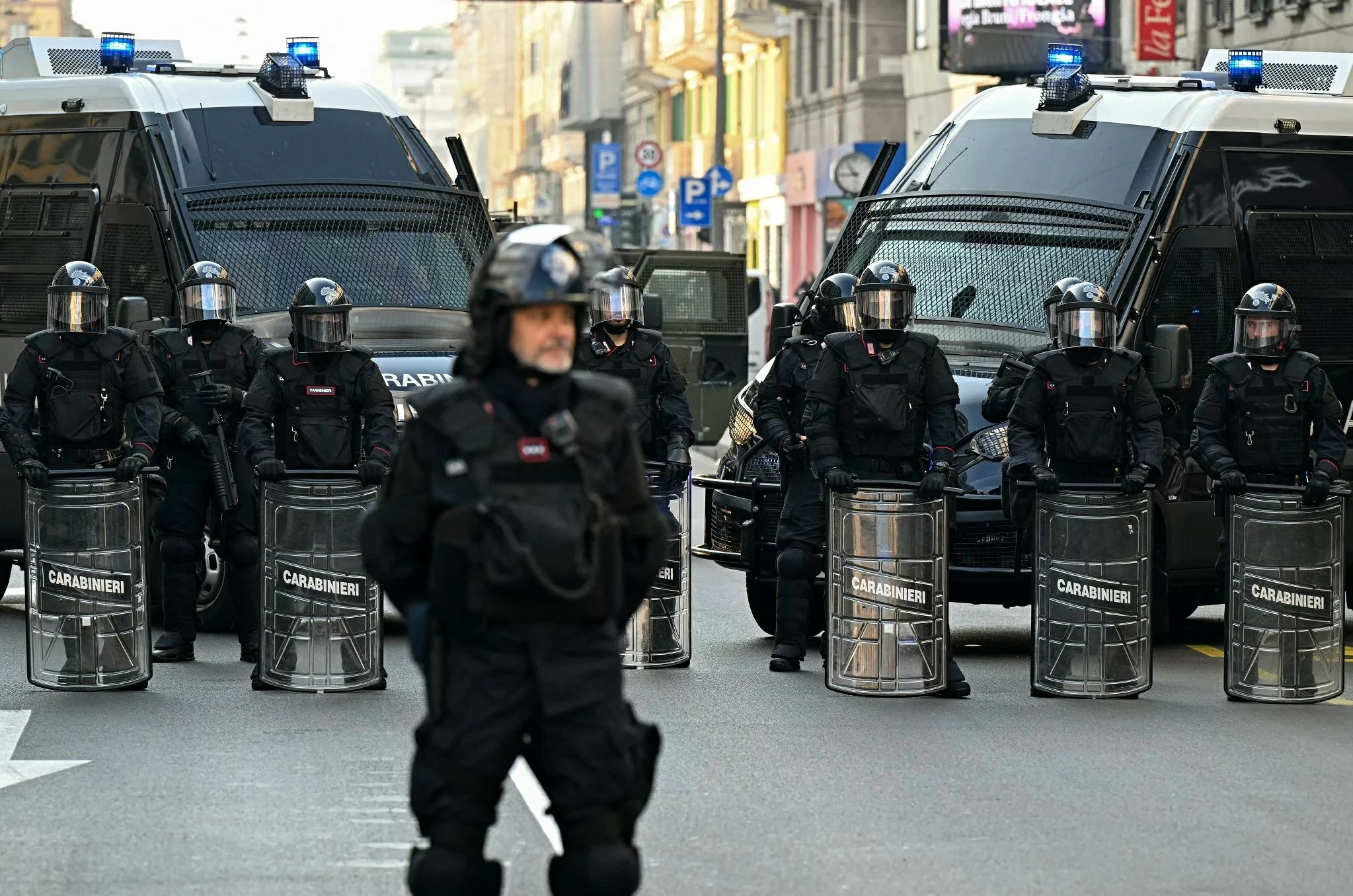
تظاهر آلاف الأشخاص في 34 مدينة ألمانية، اليوم (السبت)، للمطالبة بتحسين التعليم وخفض تكاليف المعيشة، في احتجاجات تقودها حركة شبابية متأثرة بموجة مظاهرات جيل زد التي شهدتها عدة دول أوروبية خلال العام الحالي.
ونظمت الاحتجاجات مجموعة «جين زد ريغلت» (جيل زد يتولى القيادة)، التي تعارض الخدمة العسكرية الإلزامية وتطالب بزيادة الاستثمارات في قطاع التعليم، في ظل ارتفاع تكاليف المعيشة التي تثقل كاهل الشباب الألمان.
وأظهرت أرقام رسمية أن المشاركة جاءت أقل بكثير من توقعات المنظمين البالغة 182 ألف متظاهر، إذ أفادت الشرطة بمشاركة نحو 6 آلاف شخص في برلين وفرانكفورت وميونيخ، مقابل 36 ألفاً أعلن المنظمون تسجيلهم عبر موقعهم الإلكتروني.
مظاهرات في المانيا
وتزامنت المظاهرات مع تحذيرات السلطات من محاولات جماعات متطرفة استغلال الاحتجاجات، رغم توقعاتها بأن تسير بصورة سلمية إلى حد كبير. كما أغلقت شركات ومحلات تجارية واجهاتها بالألواح الخشبية، وخططت للإغلاق المبكر تحسباً لأي اضطرابات، خصوصاً في شارع كورفورستندام التجاري ببرلين.
وتأتي الاحتجاجات في وقت تواجه فيه ألمانيا صعوبات في إنعاش نموها الاقتصادي، وضغوطاً متزايدة على نظام التقاعد والخدمات العامة، مع تراجع أعداد السكان في سن العمل.
Thousands of people demonstrated in 34 German cities today (Saturday) to demand improvements in education and a reduction in the cost of living, in protests led by a youth movement influenced by the wave of Generation Z demonstrations that have taken place in several European countries this year.
The protests were organized by the group "Gen Z Regelt" (Generation Z Takes the Lead), which opposes mandatory military service and calls for increased investments in the education sector, amid rising living costs that burden young Germans.
Official figures showed that participation was much lower than the organizers' expectations of 182,000 demonstrators, with police reporting around 6,000 participants in Berlin, Frankfurt, and Munich, compared to the 36,000 that the organizers claimed to have registered on their website.
مظاهرات في المانيا
The demonstrations coincided with warnings from authorities about attempts by extremist groups to exploit the protests, although they expected them to proceed largely peacefully. Additionally, businesses and shops boarded up their windows and planned to close early in anticipation of any disturbances, especially on the Kurfürstendamm shopping street in Berlin.
The protests come at a time when Germany is facing difficulties in reviving its economic growth and increasing pressure on its pension system and public services, with a declining number of people of working age.