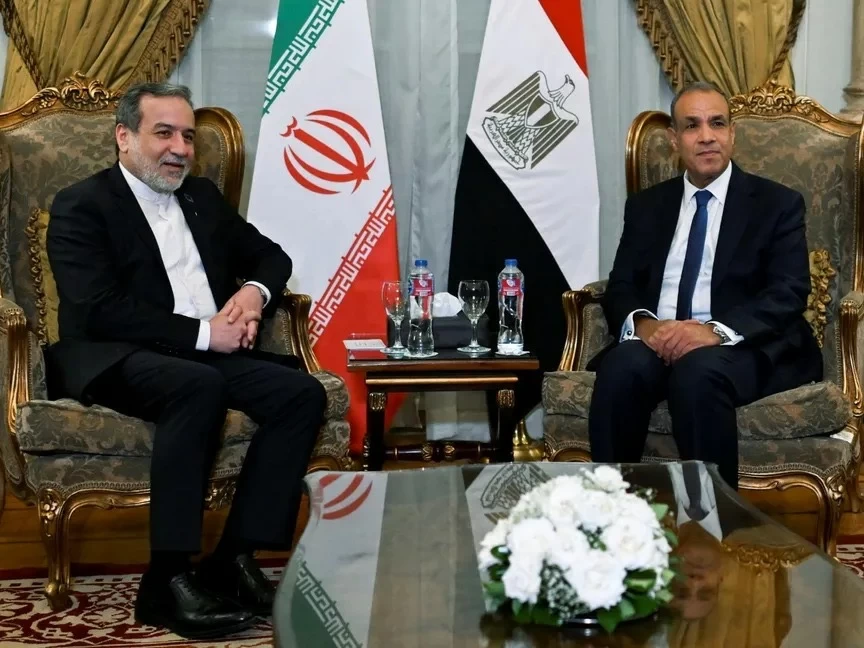
بحث وزير الخارجية المصري بدر عبد العاطي ونظيره الإيراني عباس عراقجي، الثلاثاء، تطورات الأوضاع في المنطقة والجهود الرامية إلى خفض التصعيد، في ظل مؤشرات مقلقة وتحركات إقليمية تستهدف احتواء التوتر ومنع اتساع نطاق الأزمة.
وقال السفير نادر زكي، المتحدث الرسمي باسم وزارة الخارجية المصرية، إن الاتصال الهاتفي تناول المستجدات الإقليمية والبدائل المطروحة للتعامل معها، مشيرا إلى تأكيد عبد العاطي أهمية اضطلاع كل طرف بمسؤولياته من أجل تحقيق هدف خفض التصعيد.
وأضاف المتحدث أن الوزير المصري أعرب عن دعم القاهرة الكامل للجهود المبذولة لاحتواء التوتر، وذلك خلال مناقشة الاجتماعات الأخيرة التي عُقدت في طهران، في إطار تحركات دبلوماسية تستهدف الحيلولة دون انزلاق المنطقة إلى أزمة أوسع.
وتطرق الاتصال إلى استمرار التشاور الإقليمي الموسع بين إيران والآلية الوزارية الرباعية التي تضم مصر والسعودية وباكستان وتركيا، المعروفة باسم «R4»، إذ شدد الجانبان على أهمية توحيد الجهود الإقليمية وتحمل الأطراف الفاعلة مسؤولياتها في مواجهة التحديات الراهنة.
ويأتي الاتصال في سياق تحركات مصرية متواصلة للتواصل مع الأطراف الإقليمية والدولية، بهدف احتواء المواجهة وإعادة الاعتبار للمسار الدبلوماسي، حيث كان عبد العاطي قد التقى عراقجي في بغداد يوم 17 أكتوبر، على هامش اجتماع منظمة التعاون الإسلامي، وبحث معه سبل منع اتساع نطاق الأزمة، مؤكدا ضرورة وقف الهجمات التي تستهدف السعودية واحترام أمن دول الخليج، إلى جانب ضمان حرية الملاحة الدولية.
كما أجرى الوزيران اتصالا هاتفيا في 19 أكتوبر، أكد خلاله عبد العاطي أهمية خفض التصعيد وإعطاء الأولوية للمفاوضات واحترام أمن الخليج، في إطار مساعي القاهرة لتقريب وجهات النظر ودعم الحلول السياسية للأزمات الإقليمية.
وتسعى القاهرة، عبر اتصالاتها مع طهران والرياض وإسلام آباد وأنقرة، إلى دعم تحرك إقليمي مشترك يحد من التوتر ويتيح معالجة الخلافات عبر التفاوض، غير أن نجاح هذه الجهود يظل مرتبطا باستعداد الأطراف المعنية لاحتواء المواجهة، وتجنب خطوات عسكرية جديدة، والالتزام بمسار سياسي يراعي المخاوف الأمنية للدول المعنية.
The Egyptian Foreign Minister, Badr Abdel Atti, and his Iranian counterpart, Abbas Araghchi, discussed on Tuesday the developments in the region and efforts aimed at de-escalation, amid concerning indicators and regional movements targeting the containment of tensions and preventing the escalation of the crisis.
The official spokesperson for the Egyptian Foreign Ministry, Ambassador Nader Zaki, stated that the phone call addressed regional updates and the proposed alternatives for dealing with them, noting that Abdel Atti emphasized the importance of each party fulfilling its responsibilities to achieve the goal of de-escalation.
The spokesperson added that the Egyptian minister expressed Cairo's full support for the efforts being made to contain the tensions, during discussions about the recent meetings held in Tehran, as part of diplomatic moves aimed at preventing the region from sliding into a broader crisis.
The call also touched on the continuation of expanded regional consultations between Iran and the quadripartite ministerial mechanism that includes Egypt, Saudi Arabia, Pakistan, and Turkey, known as "R4," where both sides stressed the importance of unifying regional efforts and the responsibility of active parties in facing current challenges.
This call comes in the context of ongoing Egyptian efforts to communicate with regional and international parties, aiming to contain the confrontation and restore credibility to the diplomatic track, as Abdel Atti had met with Araghchi in Baghdad on October 17, on the sidelines of the Organization of Islamic Cooperation meeting, and discussed ways to prevent the escalation of the crisis, emphasizing the need to stop attacks targeting Saudi Arabia and respect the security of Gulf states, in addition to ensuring freedom of international navigation.
The two ministers also had a phone call on October 19, during which Abdel Atti emphasized the importance of de-escalation and prioritizing negotiations while respecting Gulf security, as part of Cairo's efforts to bridge viewpoints and support political solutions to regional crises.
Cairo is seeking, through its communications with Tehran, Riyadh, Islamabad, and Ankara, to support a joint regional initiative that reduces tensions and allows for the resolution of disputes through negotiation; however, the success of these efforts remains linked to the willingness of the concerned parties to contain the confrontation, avoid new military steps, and commit to a political path that takes into account the security concerns of the involved states.