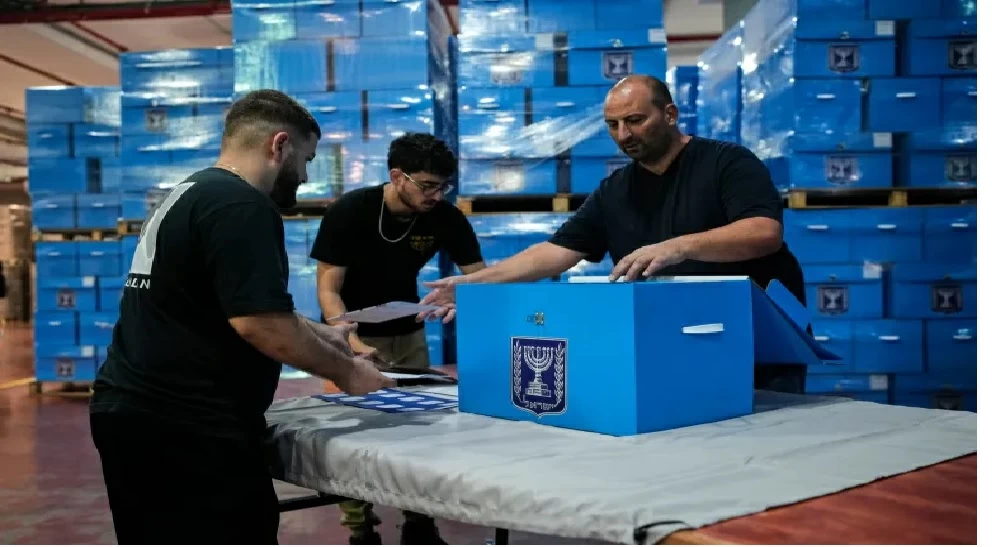
يتوجه الإسرائيليون بعد غدٍ، الثلاثاء، إلى صناديق الاقتراع لاختيار أعضاء الكنيست الـ26، وسط منافسة بين 38 قائمة على 120 مقعداً، واستعدادات لاستقبال أكثر من 7.3 ملايين ناخب، في انتخابات يُتوقع أن تحدد ملامح الحكومة القادمة.
5 ملايين يهودي
وبحسب لجنة الانتخابات المركزية، يبلغ عدد أصحاب حق الاقتراع 7 ملايين و331 ألفاً و981 ناخباً، بزيادة صافية تتجاوز 543 ألفاً مقارنة بانتخابات نوفمبر 2022.
وتشير بيانات دائرة الإحصاء المركزية إلى أن نحو 6.5 ملايين ناخب يقيمون داخل إسرائيل، مقابل قرابة 810 آلاف في الخارج.
ويشكل اليهود نحو 77% من الناخبين المقيمين داخل إسرائيل، بنحو 5 ملايين، فيما يبلغ عدد الناخبين العرب الفلسطينيين، بمن فيهم المسلمون والمسيحيون والدروز، نحو 1.16 مليون، بنسبة 18%، بينما تمثل الفئات الأخرى نحو 5%.
ويبرز نحو 600 ألف شاب وشابة يصوتون للمرة الأولى، وفق تقديرات إسرائيلية، بما يجعل أصوات الناخبين الجدد أحد العوامل المؤثرة في المنافسة.
من يحق له التصويت؟
يحق لكل مواطن إسرائيلي بلغ 18 عاماً وأُدرج اسمه في سجل الناخبين المشاركة في الاقتراع، بمن فيهم المواطنون العرب والمستوطنون الإسرائيليون في الأراضي الفلسطينية المحتلة.
في المقابل، لا يحق للفلسطينيين في الضفة الغربية وقطاع غزة التصويت للكنيست، كما لا يحق لمعظم فلسطينيي القدس الشرقية المشاركة ما لم يحملوا الجنسية الإسرائيلية.
ورغم وجود مئات آلاف الإسرائيليين المسجلين المقيمين بالخارج، يقتصر التصويت من الخارج على فئات محددة، أبرزها موظفو الدولة والبعثات الرسمية وبعض المؤسسات القومية وأفراد عائلاتهم المستحقون.
قوائم حزبية مغلقة
ينتخب الناخبون قوائم حزبية مغلقة وفق نظام التمثيل النسبي، وليس رئيس الحكومة مباشرة. ويتطلب الفوز بمقاعد تجاوز نسبة الحسم البالغة 3.25% من الأصوات الصحيحة.
وخصصت لجنة الانتخابات أكثر من 12 ألف صندوق اقتراع عادي، إلى جانب صناديق خاصة للجنود والمرضى والسجناء وذوي الإعاقة. كما يُتوقع فرز مئات آلاف المظاريف المزدوجة، التي تشمل أصوات ناخبين أدلوا بأصواتهم خارج مراكزهم الأصلية، بعد التحقق من أهليتهم ومنع التصويت المتكرر.
موعد إعلان النتائج
تُعلن استطلاعات الخروج عند العاشرة مساء (الثلاثاء)، فور إغلاق الصناديق الرئيسية، لكنها تظل تقديرات أولية لا تمثل النتائج الرسمية.
وتبدأ النتائج الفعلية بالظهور تدريجياً خلال الليل وصباح (الأربعاء)، فيما يستمر فرز الأصوات الخاصة والمظاريف المزدوجة خلال الأيام التالية.
وبحسب الجدول الوارد في التقارير الإسرائيلية، يُنتظر إعلان النتائج الرسمية النهائية في موعد أقصاه (الأربعاء) 4 نوفمبر، ما يعني أن صورة توزيع المقاعد قد تتضح قبل حسم النتائج بصورة نهائية، خصوصاً في السباقات المتقاربة والقوائم القريبة من نسبة الحسم.
Israelis will head to the polls the day after tomorrow, Tuesday, to choose members of the 26th Knesset, amidst competition among 38 lists for 120 seats, and preparations to welcome more than 7.3 million voters in elections expected to shape the next government.
5 million Jews
According to the Central Elections Committee, the number of eligible voters is 7 million, 331 thousand, and 981, with a net increase of over 543 thousand compared to the November 2022 elections.
Data from the Central Bureau of Statistics indicates that about 6.5 million voters reside within Israel, compared to approximately 810 thousand abroad.
Jews make up about 77% of the voters residing within Israel, totaling around 5 million, while the number of Arab Palestinian voters, including Muslims, Christians, and Druze, is about 1.16 million, representing 18%, while other groups account for about 5%.
Approximately 600 thousand young men and women are expected to vote for the first time, according to Israeli estimates, making the voices of new voters one of the influencing factors in the competition.
Who is eligible to vote?
Every Israeli citizen who is 18 years old and registered in the voter registry has the right to participate in the voting, including Arab citizens and Israeli settlers in the occupied Palestinian territories.
In contrast, Palestinians in the West Bank and Gaza Strip are not allowed to vote for the Knesset, nor are most Palestinians in East Jerusalem eligible to participate unless they hold Israeli citizenship.
Despite the presence of hundreds of thousands of registered Israelis living abroad, voting from abroad is limited to specific categories, primarily state employees, official missions, some national institutions, and their eligible family members.
Closed party lists
Voters elect closed party lists according to a proportional representation system, rather than directly electing the Prime Minister. To win seats, a list must surpass the threshold of 3.25% of the valid votes.
The Elections Committee has allocated more than 12 thousand regular ballot boxes, in addition to special boxes for soldiers, patients, prisoners, and individuals with disabilities. It is also expected that hundreds of thousands of double envelopes, which include votes from voters who cast their ballots outside their original centers, will be sorted after verifying their eligibility and preventing duplicate voting.
Date of results announcement
Exit polls will be announced at 10 PM (Tuesday), immediately after the main polling stations close, but they remain preliminary estimates and do not represent the official results.
The actual results will begin to appear gradually during the night and on the morning of (Wednesday), while the sorting of special votes and double envelopes will continue over the following days.
According to the schedule in the Israeli reports, the official final results are expected to be announced no later than (Wednesday) November 4, which means that the picture of seat distribution may become clear before the final results are determined, especially in closely contested races and lists near the threshold.