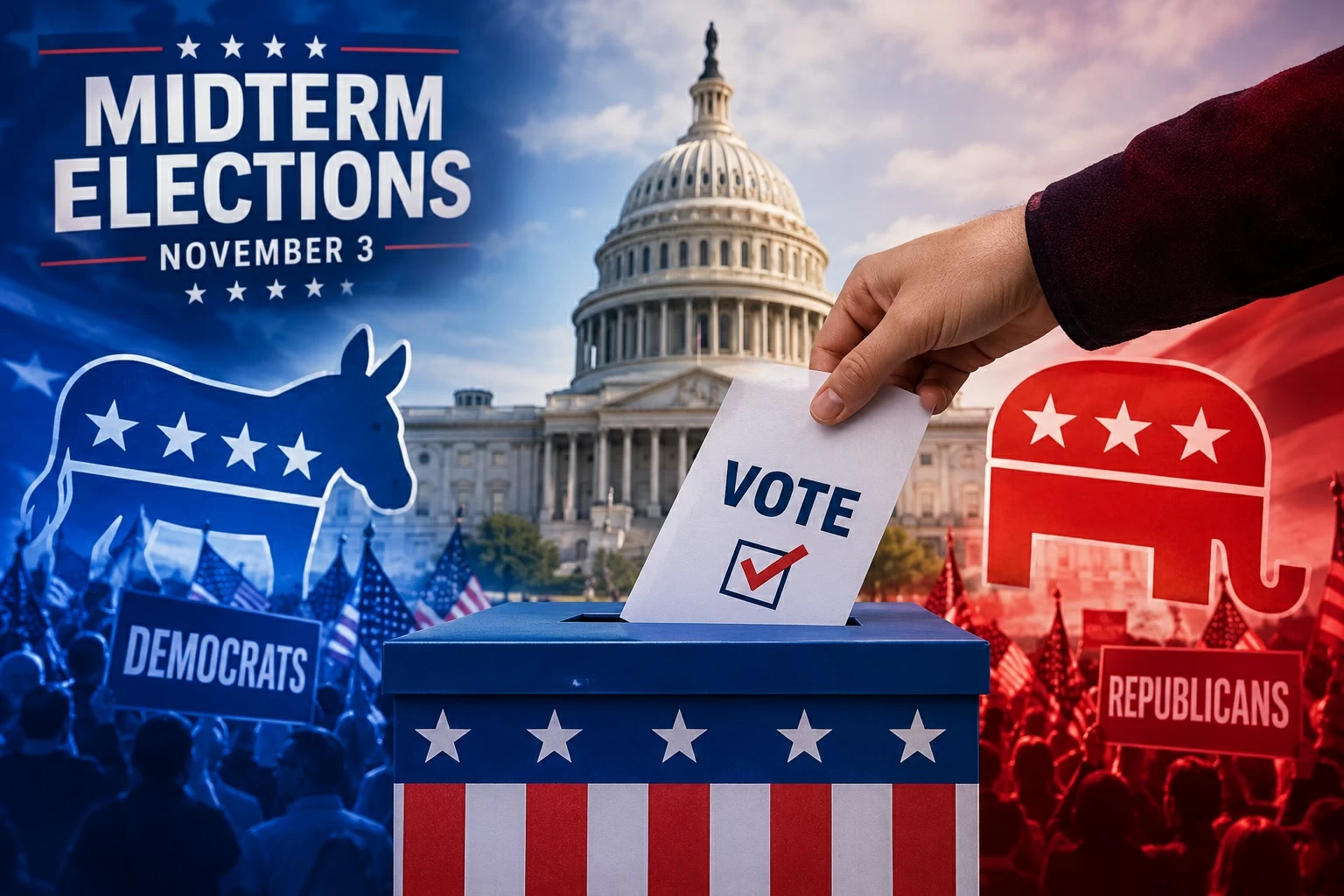
تتسع رقعة المنافسة على مقاعد مجلس الشيوخ الأمريكي مع اقتراب انتخابات التجديد النصفي المقررة في الثالث من نوفمبر، وسط ضغوط متزايدة على الجمهوريين للاحتفاظ بأغلبيتهم، بعدما امتدت المنافسة الديمقراطية إلى ولايات كانت من المعاقل التقليدية للرئيس دونالد ترمب وحزبه.
وأفادت وكالة «بلومبيرغ»، بأن الجمهوريين بدأوا الاستعداد للانتخابات وهم يعوّلون على تفوقهم في خريطة مجلس الشيوخ، إلا أن تراجع تقييم الناخبين لأداء ترمب، وارتفاع تكاليف المعيشة، وتداعيات الحرب مع إيران، أعادت رسم ملامح السباق، ودفعت الرئيس إلى تكثيف تحركاته الانتخابية في ولايات جمهورية، بينها ساوث كارولاينا وميسيسيبي.
معاقل جمهورية في دائرة الخطر
لم تعد المنافسة مقتصرة على ولايات مثل نورث كارولاينا وماين، بل امتدت إلى أوهايو وألاسكا وآيوا وتكساس وكانساس، في تطور يضع ما يعرف بـ«الجدار الأحمر» الجمهوري أمام اختبار انتخابي صعب، رغم فوز ترمب بفوارق مريحة في عدد من هذه الولايات عام 2024.
ويحتاج الديمقراطيون إلى تحقيق مكاسب صافية بأربعة مقاعد للسيطرة على مجلس الشيوخ، فيما يراهن الجمهوريون على تفوقهم في التمويل الانتخابي وشبكات الحشد، مع استمرار اعتقاد قيادات الحزب بأن الاحتفاظ بالأغلبية لا يزال ممكناً.
وتبرز ولاية ماين باعتبارها إحدى ساحات المواجهة الرئيسية، إذ تسعى السيناتورة الجمهورية سوزان كولينز إلى الاحتفاظ بمقعدها في ولاية تميل انتخابياً إلى الديمقراطيين.
الاقتصاد يضغط على الجمهوريين
وتشير استطلاعات الرأي إلى تراجع شعبية ترمب، بالتزامن مع استياء الناخبين من ارتفاع أسعار الوقود والرعاية الصحية وتكاليف المعيشة. كما تواجه قطاعات زراعية ضغوطاً من الرسوم الجمركية وارتفاع تكاليف التشغيل، ما يزيد التحديات أمام المرشحين الجمهوريين.
وفي محاولة لتعزيز فرص حزبه، دعا ترمب أنصاره إلى التعامل مع الانتخابات كما لو كان اسمه مدرجاً على بطاقة الاقتراع، مكثفاً تجمعاته الانتخابية لحث مؤيديه على المشاركة.
لكن الإنفاق والحشد لا يضمنان تجاوز التداعيات الاقتصادية والسياسية، خصوصاً مع تصاعد الانتقادات المرتبطة بالحرب في الشرق الأوسط.
سباق مفتوح على الأغلبية
ويرى ديمقراطيون أن اتساع خريطة المنافسة قد يمنح حزبهم فرصة لانتزاع أغلبية في مجلس الشيوخ، بينما يحذر الجمهوريون من أن السباقات لا تزال متقاربة وأن نتائجها ستتوقف على الإقبال والتصويت في الولايات الحاسمة.
وبينما يسعى ترمب إلى الحفاظ على نفوذه داخل الكونغرس، تتحول انتخابات نوفمبر إلى اختبار لشعبيته وقدرة الجمهوريين على احتواء الاستياء الاقتصادي، في مواجهة ديمقراطية تراهن على تحويل هذا الاستياء إلى مكاسب انتخابية.
The competition for seats in the U.S. Senate is intensifying as the midterm elections scheduled for November 3 approach, amid increasing pressure on Republicans to maintain their majority, as the Democratic competition has extended into states that were traditional strongholds for President Donald Trump and his party.
Bloomberg reported that Republicans have begun preparing for the elections, relying on their advantage in the Senate map. However, declining voter approval ratings for Trump, rising living costs, and the repercussions of the war with Iran have reshaped the race, prompting the president to intensify his campaign efforts in Republican states, including South Carolina and Mississippi.
Republican Strongholds in Danger
The competition is no longer limited to states like North Carolina and Maine, but has extended to Ohio, Alaska, Iowa, Texas, and Kansas, in a development that puts what is known as the Republican "red wall" to a tough electoral test, despite Trump winning comfortably in several of these states in 2024.
Democrats need to achieve a net gain of four seats to take control of the Senate, while Republicans are betting on their advantage in campaign funding and mobilization networks, with party leaders still believing that retaining the majority is possible.
The state of Maine stands out as one of the main battlegrounds, as Republican Senator Susan Collins seeks to retain her seat in a state that leans Democratic electorally.
The Economy Pressures Republicans
Polls indicate a decline in Trump's popularity, coinciding with voter dissatisfaction over rising fuel prices, healthcare costs, and living expenses. Agricultural sectors are also facing pressures from tariffs and rising operating costs, increasing the challenges for Republican candidates.
In an effort to boost his party's chances, Trump has urged his supporters to treat the elections as if his name were on the ballot, intensifying his campaign rallies to encourage his followers to participate.
However, spending and mobilization do not guarantee overcoming the economic and political repercussions, especially with rising criticism related to the war in the Middle East.
An Open Race for the Majority
Democrats believe that the widening competition map may give their party a chance to seize a majority in the Senate, while Republicans warn that the races remain close and their outcomes will depend on turnout and voting in key states.
As Trump seeks to maintain his influence within Congress, the November elections are turning into a test of his popularity and the Republicans' ability to contain economic discontent, in the face of a Democratic party betting on converting this discontent into electoral gains.