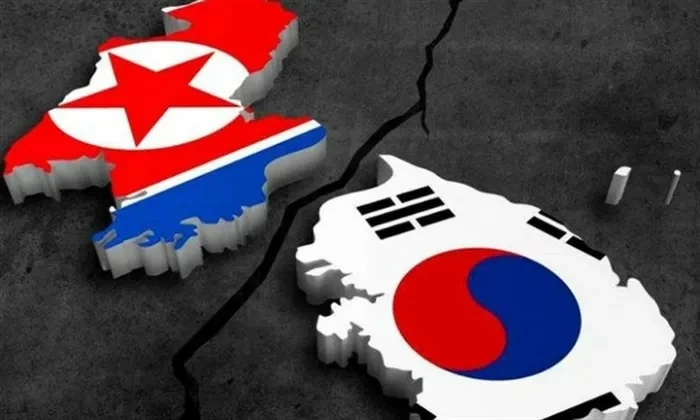
توعدت كوريا الجنوبية، (الثلاثاء)، بالرد بحزم على أي تحركات عسكرية تصعيدية من جانب كوريا الشمالية على طول الحدود المشتركة، في ظل تزايد التوترات بين البلدين ومخاوف من اندلاع مواجهات عسكرية قد تقوض الجهود الدبلوماسية الرامية إلى تهدئة الأوضاع في شبه الجزيرة الكورية.
وأعربت وزارة الدفاع الكورية الجنوبية، في بيان، عن بالغ قلقها إزاء تهديدات بيونغ يانغ بنشر مزيد من الأسلحة التكتيكية الهجومية على امتداد الحدود، إلى جانب التلويح باستئناف البث عبر مكبرات الصوت الموجهة نحو الجنوب، في خطوة من شأنها تقويض إجراءات خفض التصعيد بين الجانبين.
وأكدت الوزارة أن عمليات البث التي تنفذها سيول وإطلاق الطلقات التحذيرية بالقرب من خط ترسيم الحدود العسكرية تمثل «إجراءات دفاعية مشروعة»، تهدف إلى منع التسلل وإجبار القوات الكورية الشمالية التي تتجاوز الخط على الانسحاب.
وشددت على أن كوريا الجنوبية سترد بحزم إذا استغلت بيونغ يانغ هذه الإجراءات ذريعة لتنفيذ مزيد من الاستفزازات، داعية إياها إلى وقف ما وصفته بالادعاءات غير المستندة إلى أساس، ومنع توغلات قواتها عبر خط ترسيم الحدود، والتجاوب مع المساعي الرامية إلى تسوية الخلافات المتعلقة بالحدود بين الطرفين.
سول تعزز جاهزيتها العسكرية
وفي سياق متصل، تفقد رئيس هيئة الأركان المشتركة للقوات المسلحة الكورية الجنوبية، جين يونغ سيونغ، جاهزية القوات خلال زيارة إلى أحد مقار القيادة العسكرية في الخطوط الأمامية، وأصدر توجيهات بتعزيز العمليات الرامية إلى ترسيخ المبادرة العسكرية لسيول داخل المنطقة منزوعة السلاح، وفق بيان منفصل للجيش.
وقال جين إن بلاده لن تقبل وصف إجراءاتها العملياتية المشروعة بأنها استفزازات، معتبراً أن كوريا الشمالية تحاول تحميل القوات الجنوبية مسؤولية تصاعد التوترات العسكرية.
كما حمّل بيونغ يانغ مسؤولية زرع ألغام أرضية جنوب خط ترسيم الحدود العسكرية، قال إنها تسببت في إصابة جنود كوريين جنوبيين بجروح خطيرة الشهر الماضي، واصفاً الحادثة بأنها «استفزاز واضح» وانتهاك لاتفاق الهدنة بين الطرفين.
تهديدات بإعادة مكبرات الصوت إلى الحدود
وجاءت التحذيرات الكورية الجنوبية عقب تصريحات كيم يو جونغ، شقيقة الزعيم الكوري الشمالي كيم جونغ أون، التي اتهمت فيها الجيش الجنوبي بتعريض الجنود الكوريين الشماليين للخطر من خلال إطلاق طلقات تحذيرية أثناء أعمال تحصين الحدود التي تنفذها بيونغ يانغ.
كما لوحت كيم بإمكانية استئناف البث عبر مكبرات الصوت باتجاه كوريا الجنوبية، وهو ما يهدد بالتراجع عن أحد إجراءات خفض التصعيد التي اتخذت أهمية في مساعي الرئيس الكوري الجنوبي لي جاي ميونغ لإعادة إطلاق الحوار الدبلوماسي مع الشمال منذ توليه منصبه.
وكان لي قد اعتبر التهدئة في ملف البث الحدودي أحد الإنجازات المبكرة لجهوده الرامية إلى استئناف التواصل مع بيونغ يانغ، الأمر الذي يجعل العودة إلى هذه الممارسات مؤشراً على احتمال تعثر المسار الدبلوماسي.
ألغام وحواجز وتحركات عسكرية متزايدة
وبحسب السلطات الكورية الجنوبية، تواصل كوريا الشمالية منذ أبريل 2024 نشر الألغام وإقامة الحواجز على طول الحدود.
وأشارت سول، في وقت سابق من الشهر الجاري، إلى أن بيونغ يانغ دفعت بما يصل إلى 7 آلاف عامل إلى المنطقة خلال العام الحالي، وأن أفراداً من القوات الكورية الشمالية عبروا خط ترسيم الحدود العسكرية نحو 50 مرة.
وتثير هذه التحركات مخاوف من اتساع نطاق المواجهة، خصوصاً في ظل الانتشار العسكري الكثيف على الحدود، واحتمال أن تؤدي الحوادث الميدانية المحدودة إلى ردود فعل متبادلة يصعب احتواؤها.
تحذيرات من سوء التقدير واشتعال المواجهة
وحذر محللون من أن استمرار المواجهة الكلامية والتحركات العسكرية يرفع احتمالات وقوع اشتباك غير مقصود بين الجانبين.
وقال هونغ مين، الباحث البارز في المعهد الكوري للتوحيد الوطني، إن تراجع عتبة اللجوء إلى القوة لدى كوريا الشمالية إلى مستوى أدنى من قواعد الاشتباك المعمول بها في الجنوب قد يجعل تكرار الإجراءات العسكرية الحالية كافياً لتهيئة الظروف لاندلاع مواجهة.
من جانبه، حذر مايكل بوساك، المدير المؤسس لمعهد بارلي للسياسات والمسؤول السابق في قيادة الأمم المتحدة، من احتمال أن تفسر القوات العسكرية الطلقات التحذيرية على أنها هجمات أخفقت في إصابة أهدافها، ما قد يؤدي إلى سوء تقدير نوايا الطرف الآخر وإطلاق نيران مضادة.
ويعكس التصعيد الراهن هشاشة الوضع الأمني على الحدود بين الكوريتين، حيث تتداخل التحركات الميدانية والتهديدات السياسية مع محاولات استئناف الحوار، وسط مخاوف من أن يؤدي أي خطأ في التقدير إلى مواجهة عسكرية جديدة تعرقل جهود التهدئة في المنطقة.
South Korea vowed on Tuesday to respond firmly to any escalatory military moves by North Korea along the shared border, amid rising tensions between the two countries and fears of military confrontations that could undermine diplomatic efforts aimed at calming the situation on the Korean Peninsula.
The South Korean Ministry of Defense expressed its deep concern in a statement regarding Pyongyang's threats to deploy more offensive tactical weapons along the border, as well as the hint at resuming broadcasts via loudspeakers directed towards the south, a step that could undermine de-escalation measures between the two sides.
The ministry confirmed that the broadcasts conducted by Seoul and the firing of warning shots near the military demarcation line represent "legitimate defensive measures" aimed at preventing infiltration and forcing North Korean troops that cross the line to withdraw.
It emphasized that South Korea would respond firmly if Pyongyang used these measures as a pretext for further provocations, urging it to stop what it described as baseless claims, prevent incursions by its forces across the demarcation line, and engage in efforts to resolve border disputes between the two parties.
Seoul Enhances Military Readiness
In a related context, the Chairman of the Joint Chiefs of Staff of the South Korean Armed Forces, Jin Yong-seong, inspected the readiness of the troops during a visit to one of the military command posts on the front lines, issuing directives to enhance operations aimed at solidifying Seoul's military initiative within the demilitarized zone, according to a separate statement from the military.
Jin stated that his country would not accept the characterization of its legitimate operational measures as provocations, considering that North Korea is trying to place the blame for rising military tensions on the southern forces.
He also held Pyongyang responsible for planting landmines south of the military demarcation line, which he said caused serious injuries to South Korean soldiers last month, describing the incident as a "clear provocation" and a violation of the ceasefire agreement between the two sides.
Threats to Resume Loudspeaker Broadcasts at the Border
The South Korean warnings followed statements by Kim Yo-jong, sister of North Korean leader Kim Jong-un, who accused the South Korean military of endangering North Korean soldiers by firing warning shots during border fortification activities carried out by Pyongyang.
Kim also hinted at the possibility of resuming broadcasts via loudspeakers towards South Korea, which threatens to reverse one of the de-escalation measures that has taken on significance in South Korean President Yoon Suk-yeol's efforts to restart diplomatic dialogue with the North since he took office.
Yoon had considered the calming of the border broadcasting issue one of the early achievements of his efforts to resume communication with Pyongyang, making a return to these practices an indicator of potential setbacks in the diplomatic path.
Landmines, Barriers, and Increasing Military Movements
According to South Korean authorities, North Korea has continued to deploy landmines and establish barriers along the border since April 2024.
Seoul indicated earlier this month that Pyongyang had sent up to 7,000 workers to the area during the current year, and that members of the North Korean military had crossed the military demarcation line nearly 50 times.
These movements raise concerns about the potential for an escalation of confrontation, especially given the heavy military presence along the border, and the possibility that limited field incidents could lead to mutual reactions that are difficult to contain.
Warnings of Miscalculation and Escalation of Confrontation
Analysts warned that the continuation of verbal confrontations and military movements increases the likelihood of an unintended clash between the two sides.
Hong Min, a senior researcher at the Korea Institute for National Unification, stated that North Korea's lowering of the threshold for resorting to force to a level below the established rules of engagement in the South could make the repetition of current military actions sufficient to create conditions for a confrontation to break out.
For his part, Michael Bosack, founding director of the Parley Institute for Policy and former official at the United Nations Command, warned that military forces might interpret warning shots as attacks that failed to hit their targets, which could lead to a miscalculation of the other side's intentions and trigger retaliatory fire.
The current escalation reflects the fragility of the security situation along the border between the two Koreas, where field movements and political threats intersect with attempts to resume dialogue, amid fears that any miscalculation could lead to a new military confrontation that would hinder efforts to calm the region.