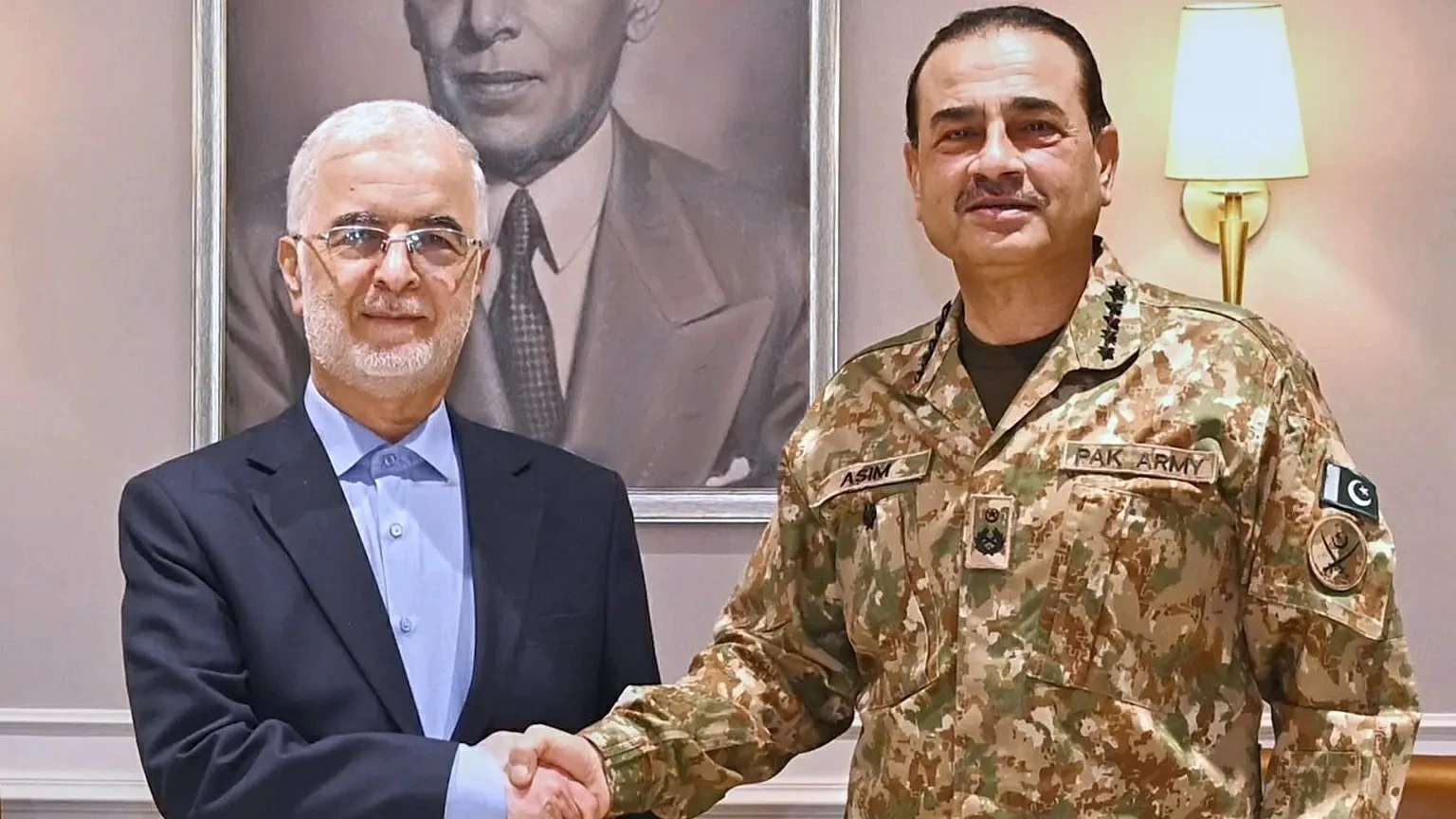
يصل قائد الجيش الباكستاني عاصم منير إلى إيران، اليوم (الثلاثاء)، بحسب ما ذكر مسؤول باكستاني ووسائل إعلام إيرانية.
وتأتي الزيارة المقررة في أعقاب محادثات جرت في وقت سابق بين منير وقادة إيرانيين، ركزت على تدابير لمنع مزيد من التصعيد، ومعاودة فتح مضيق هرمز، وإنهاء الصراع في أسرع وقت ممكن.
ومن المقرر أن يجري منير لقاءات ومباحثات مع مسؤولين إيرانيين، وفق ما أفادت وكالة «تسنيم»، موضحة أن الزيارة ستتناول دور إسلام آباد في الوساطة بين إيران والولايات المتحدة.
من جهته، وفي خطاب انتخابي في ولاية كانساس، جدد الرئيس الأمريكي دونالد ترمب التأكيد على أن أمريكا دمرت القدرات العسكرية الجوية والبحرية الإيرانية بشكل كامل.
وأضاف أن الرادارات والأسلحة المضادة للطائرات التابعة لإيران تم تدميرها كذلك. كما قال ترمب إن المستوى الأول والثاني من القيادات الإيرانية تم قتلهم، وإن من تبقى من القادة في إيران يريدون ضماناً بأن واشنطن لن تقتلهم كما قتلت الآخرين.
وللمرة الثانية خلال ساعات، لوحت إيران باستهداف البنية التحتية التكنولوجية المرتبطة بالولايات المتحدة في المنطقة، حال استئناف الهجمات عليها، في تهديد يشمل كابلات الإنترنت البحرية.
ويمر تحت مضيق هرمز سبعة كابلات إنترنت رئيسية تمثل شرايين أساسية للاتصالات وحركة البيانات التجارية والإنترنت في العالم.
تنقل هذه الكابلات نسبة كبيرة من حركة الإنترنت والبيانات بين آسيا وأوروبا والشرق الأوسط. وتعتمد عليها البنية التحتية للمدفوعات الإلكترونية، والخدمات الحكومية الرقمية، واتصالات المنطقة بشكل واسع.
وتتمركز مسارات هذه الكابلات بشكل أكبر في الجانب العُماني من المضيق بسبب العقوبات المفروضة على إيران.
وأبرز الكابلات المارة عبر المضيق هي كابل آسيا أفريقيا أوروبا، وكابل فالكون، وكابل غولف بريدج إنترناشيونال.
The Chief of the Pakistani Army, Asim Munir, arrives in Iran today (Tuesday), according to a Pakistani official and Iranian media.
The scheduled visit follows earlier discussions between Munir and Iranian leaders, focusing on measures to prevent further escalation, reopen the Strait of Hormuz, and end the conflict as soon as possible.
Munir is set to hold meetings and discussions with Iranian officials, according to the Tasnim news agency, which stated that the visit will address Islamabad's role in mediating between Iran and the United States.
For his part, in a campaign speech in Kansas, U.S. President Donald Trump reiterated that America has completely destroyed Iran's air and naval military capabilities.
He added that Iran's radars and anti-aircraft weapons have also been destroyed. Trump stated that the first and second levels of Iranian leadership have been killed, and those remaining leaders in Iran want assurance that Washington will not kill them as it did the others.
For the second time in hours, Iran has threatened to target the technological infrastructure linked to the United States in the region if attacks on it resume, a threat that includes undersea internet cables.
Seven major internet cables pass under the Strait of Hormuz, representing essential arteries for communications and commercial data flow and the internet worldwide.
These cables carry a significant portion of internet and data traffic between Asia, Europe, and the Middle East. They are widely relied upon by the infrastructure for electronic payments, digital government services, and regional communications.
The routes of these cables are primarily located on the Omani side of the strait due to the sanctions imposed on Iran.
The most notable cables passing through the strait include the Asia Africa Europe Cable, the Falcon Cable, and the Gulf Bridge International Cable.