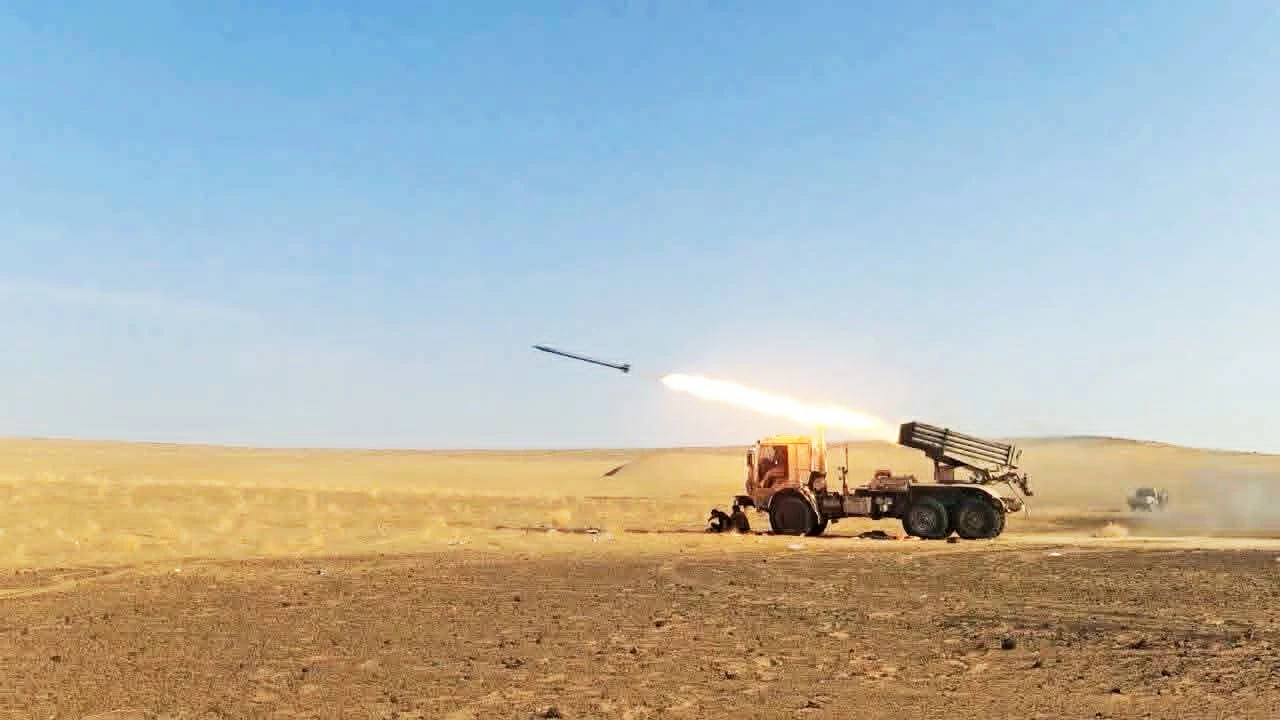
تخوض تعز معركة مصيرية للدفاع عن مستقبل اليمن، مستعيدة دورها التاريخي في مواجهة الانقلابات والمشاريع التي تستهدف الدولة والجمهورية.
وكعادتها، تقف المحافظة في قلب المواجهة، مستندة إلى إرثها النضالي وموقعها الجغرافي وطبيعة تضاريسها، التي جعلت منها جبهة مؤثرة في مسار الحرب، كما حدث عام 2015، حين تحوّلت أحياء صغيرة داخل المدينة إلى بركان فكك مشروع مليشيا الحوثي ووقف أمام تمددها نحو المحافظات الجنوبية.
ومنذ ما قبل قيام الجمهورية اليمنية، شكّلت تعز رأس حربة في معارك استعادة التوازن الجمهوري، ومنها انطلقت قوافل النضال المسلح، سواء في جنوب البلاد أو في مواجهة نظام الجهل البائد. وتُعرف المدينة بأنها عاصمة الثقافة اليمنية، ومنها برز قادة أحزاب سياسية ومسؤولون في الدولة على مدى عقود، كما انطلق منها عدد من رؤساء اليمن. ويعكس هذا الحضور ما يتمتع به أبناؤها من طموحات وتطلعات نحو الدولة والحياة المدنية، في مقابل مشروع مليشيا الحوثي القائم على الحروب والصراعات وتنفيذ الأجندة الإيرانية التي تهدّد اليمن ودول المنطقة.
ويرى مراقبون يمنيون أن تعز، بطبيعتها الجبلية والزراعية والمدنية، مرشحة لأن تتحوّل إلى مقبرة لمليشيا الحوثي، بالنظر إلى طبيعة المواجهة وتضاريس المحافظة، فضلاً عن تمسك أبنائها بالدولة والديمقراطية والثوابت العقيدة الوطنية. ويؤكدون أن تعز والبيضاء وإب ومأرب تمثل مناطق مركزية في معادلة الصراع، لما تشكّله من أهمية جغرافية وعسكرية وسياسية واقتصادية وقبلية، الأمر الذي يجعل المعركة فيها ذات تأثير يتجاوز حدودها المحلية.
ويستبعد المراقبون أن تتمكّن المليشيا من إحكام سيطرتها على كامل محافظة تعز، مشيرين إلى أنها، رغم دخولها بعض المديريات الجنوبية، لا تزال تواجه مقاومة مستمرة، تنفذ كمائن يومية وتستنزف عناصرها، في مؤشر على صعوبة تثبيت سيطرتها في المناطق التي تحاول التمدد إليها.
وأوضح محللون عسكريون أن استمرار العمليات في الوازعية والسيطرة على ذوباب وباب المندب يمثلان دعماً لوجستياً مهماً لتعز، إلا أن المرحلة الراهنة تتطلب تحركاً عسكرياً من لحج نحو الشريجى وصولاً إلى مديرية ماوية، بما يسهم في إغلاق المنافذ المؤدية إلى المديريات الجنوبية لتعز، ويرون أن طبيعة القتال في المناطق الجبلية تمنح أبناء هذه المناطق أفضلية في مواجهة المليشيا، وتزيد من صعوبة تحركاتها العسكرية.
عقبة رئيسية أمام مشروع إيران
ويرى رئيس مركز أبعاد للدراسات عبد السلام محمد أن تعز ومأرب شكلتا عقبة رئيسية أمام الانقلاب الحوثي والتمدد الإيراني، وهو ما يفسر، حشد المليشيا قواتها باتجاه تعز، بما في ذلك قياداتها الأمنية والعسكرية والشرطية، إلى جانب الطلاب.
وقال عبد السلام لـ«عكاظ» إن الحوثي يستخدم الأدوات نفسها التي اعتمد عليها في حروبه السابقة، من التجسس والإغراءات والتهديد والضغط على الأسر عبر أبنائها وأموالها، فضلاً عن عمليات التجنيد الواسعة في المناطق الريفية التي يدخلها. وأضاف أن المليشيا تفرض التجنيد في المدارس التي تصل إليها في جنوب تعز وتختطف الأطفال والشباب، بهدف الزج بالمجندين في مناطق المواجهة التالية، لأنها تدرك وجود تماسك اجتماعي داخل تعز.
وأشار إلى أن ما يجري لا يقتصر على حرب عسكرية، بل يمتد إلى استهداف البنية المجتمعية، موضحاً أن المليشيا استقطبت بعض الأسر السلالية التي تقدم لها المعلومات مثل بيت الجنيد وغيرها.
وأضاف أن تعز تمثل قاعدة متقدمة للجمهورية اليمنية، نظراً إلى موقعها الجغرافي في وسط البلاد، وامتداد مرتفعاتها باتجاه باب المندب والبحر الأحمر، جنوباً نحو خليج عدن والبحر العربي، فضلاً عن إشراف جبالها، ومنها جبل صبر، على مساحات واسعة من المناطق المحيطة بالعاصمة المؤقتة عدن وممرات الملاحة الدولية.
وأكد أن تعز، من الناحية الفكرية، من المناطق الرافضة للعنصرية والحكم السلالي، وأن أبناءها يدركون خطورة مشروع المليشيا، لافتاً إلى أن الحوثي ينظر إلى المحافظة باعتبارها ساحة للانتقام، بعدما شكّلت إحدى أبرز محطات إيقاف تمدده نحو المحافظات الجنوبية، ويرى فيها اليوم عقبة قد تسهم في إسقاط مشروعه.
ولفت عبد السلام إلى أن المليشيا تستهدف تعز لاعتبارات عدة، في مقدمتها البحث عن خزان بشري جديد بعد استنزاف جزء من مخزونها البشري في مناطق شمال الشمال كون تعز تمثل ما نسبته ثلث سكان اليمن، فضلاً عن أهمية المحافظة في التحكم بخطوط الملاحة الدولية والوصول إلى المحافظات الجنوبية. وأوضح أن السيطرة على المرتفعات الإستراتيجية في تعز قد تمنح الحوثي قدرة أكبر على تهديد باب المندب والتحرك باتجاه عدن والمحافظات الجنوبية، لكنه شدّد على أن دخول المليشيا هذه المناطق لا يعني قدرتها على إخضاعها، بل قد يفتح عليها جبهة استنزاف واسعة.
وقال إن تعز تخوض اليوم معركة تتجاوز حدود اليمن، وترتبط بمواجهة المشروع الإيراني الذي يسعى إلى توسيع نفوذه والضغط على خطوط الملاحة الدولية، داعياً الدول الإقليمية والعربية والإسلامية والمجتمع الدولي إلى مساندة المحافظة في مواجهة الحوثيين.
معركة تتجاوز حدود المحافظة
يرى الصحفي أحمد ردمان أن دعم تعز وتعزيز صمودها والاستفادة من النجاحات التي تحققها يحمل أبعاداً عسكرية واقتصادية وسياسية، من شأنها التأثير في مسار المعركة وترجيح كفة السلطة الشرعية في استعادة الدولة، إلى جانب تعزيز الاستقرار وتأمين محافظات الجنوب ومثلث الوسط اليمني.
وأوضح ردمان أن مليشيا الحوثي لن تخرج من تعز سالمة، بل ستواجه صعوبات كبيرة، مستحضراً ما تعرّضت له في السنوات الماضية، حين اضطرت عناصر منها إلى الفرار متخفية بلباس النساء.
وأشار إلى أن الحرب تقوم على الكر والفر، وأن أبناء تعز يدركون طبيعة المعركة وتضاريس المحافظة الجبلية الوعرة، ويعرفون كيفية توظيفها في مواجهة المليشيا، بما يعزّز قدرة الجيش والمقاومة الشعبية على مواصلة عمليات الاستنزاف وإحباط محاولات التقدم. وتأتي هذه التطورات في ظل استمرار حرب الكمائن التي ينفذها الجيش والمقاومة الشعبية في عدد من المديريات جنوب تعز وغربها وشرقها، وهي عمليات تستنزف عناصر مليشيا الحوثي وتزيد الضغوط عليها في جبهات المحافظة.
وفي تطور ميداني، تمكّنت القوات الحكومية من القبض على خمسة من كبار القيادات الأمنية الحوثية، بينهم مدير إدارة المخدرات في وزارة الداخلية التابعة للمليشيا وقائد الأمن الوقائي في الحوبان، فيما قُتل قيادي كبير وأُسر نحو 60 مسلحاً خلال 24 ساعة، وفق المعلومات الواردة.
وتعكس هذه التطورات أهمية جبهة تعز في معادلة المواجهة، في وقت تتواصل فيه محاولات الحوثي لتوسيع نفوذه في المحافظة، مقابل مقاومة تسعى إلى منع تمدده واستنزاف قدراته. وبين أهمية الموقع الجغرافي وتعقيدات الميدان، تظل تعز إحدى الجبهات التي يمكن أن تؤثر نتائجها في مسار الصراع ومستقبل استعادة الدولة اليمنية.
Taezz is engaged in a decisive battle to defend the future of Yemen, reclaiming its historical role in confronting coups and projects that target the state and the republic.
As usual, the governorate stands at the heart of the confrontation, relying on its legacy of struggle, its geographical location, and the nature of its terrain, which has made it an influential front in the course of the war, as happened in 2015 when small neighborhoods within the city turned into a volcano that dismantled the Houthi militia's project and halted its expansion towards the southern governorates.
Since before the establishment of the Yemeni republic, Taez has been a spearhead in the battles to restore republican balance, from which armed struggle caravans have launched, whether in the south of the country or in confronting the regime of ignorance that has perished. The city is known as the capital of Yemeni culture, and from it emerged leaders of political parties and state officials over decades, as well as several presidents of Yemen. This presence reflects the ambitions and aspirations of its people towards the state and civil life, in contrast to the Houthi militia's project based on wars, conflicts, and the implementation of the Iranian agenda that threatens Yemen and the countries of the region.
Yemeni observers believe that Taez, with its mountainous, agricultural, and urban nature, is poised to become a graveyard for the Houthi militia, given the nature of the confrontation and the terrain of the governorate, in addition to the steadfastness of its people towards the state, democracy, and national ideological constants. They assert that Taez, Al-Bayda, Ibb, and Marib represent central areas in the equation of conflict, due to their geographical, military, political, economic, and tribal significance, which makes the battle there impactful beyond its local boundaries.
Observers rule out that the militia will be able to tighten its control over the entire Taez governorate, noting that despite its entry into some southern districts, it still faces ongoing resistance, executing daily ambushes and exhausting its elements, indicating the difficulty of establishing its control in the areas it seeks to expand into.
Military analysts clarified that the continuation of operations in Al-Waziyah and control over Dhobab and Bab al-Mandab represents significant logistical support for Taez; however, the current phase requires military movement from Lahij towards Al-Sharij reaching the Mawiya district, which contributes to closing the outlets leading to the southern districts of Taez. They believe that the nature of fighting in mountainous areas gives the people of these regions an advantage in confronting the militia and increases the difficulty of its military movements.
A Major Obstacle to the Iranian Project
Abdul Salam Muhammad, head of the Abad Center for Studies, believes that Taez and Marib have formed a major obstacle to the Houthi coup and Iranian expansion, which explains the militia's mobilization of its forces towards Taez, including its security, military, and police leaders, alongside students.
Abdul Salam told "Okaz" that the Houthis use the same tools they relied on in their previous wars, including espionage, temptations, threats, and pressure on families through their children and their money, in addition to extensive recruitment operations in the rural areas they enter. He added that the militia imposes recruitment in the schools it reaches in southern Taez and kidnaps children and youth, aiming to push the recruits into the next confrontation areas, as they are aware of the social cohesion within Taez.
He pointed out that what is happening is not limited to a military war but extends to targeting the societal structure, explaining that the militia has recruited some lineage families that provide it with information, such as the Al-Junaid family and others.
He added that Taez represents an advanced base for the Yemeni republic, due to its geographical location in the center of the country, with its highlands extending towards Bab al-Mandab and the Red Sea, southward towards the Gulf of Aden and the Arabian Sea, in addition to its mountains, including Mount Saber, overseeing vast areas of the regions surrounding the temporary capital, Aden, and international shipping routes.
He affirmed that Taez, from an ideological standpoint, is one of the regions that reject racism and lineage rule, and its people are aware of the dangers of the militia's project, noting that the Houthis view the governorate as a field for revenge, having formed one of the most prominent stations to halt their expansion towards the southern governorates, and they see it today as an obstacle that may contribute to the downfall of their project.
Abdul Salam pointed out that the militia targets Taez for several reasons, primarily searching for a new human reservoir after exhausting part of its human stock in the northern regions, as Taez represents about a third of Yemen's population, in addition to the importance of the governorate in controlling international shipping lines and reaching the southern governorates. He explained that controlling the strategic highlands in Taez could give the Houthis greater ability to threaten Bab al-Mandab and move towards Aden and the southern governorates, but he emphasized that the militia's entry into these areas does not mean its ability to subjugate them, but may open a wide front of attrition against it.
He stated that Taez is currently engaged in a battle that transcends the borders of Yemen, linked to confronting the Iranian project that seeks to expand its influence and pressure international shipping lines, calling on regional, Arab, and Islamic countries and the international community to support the governorate in its confrontation with the Houthis.
A Battle That Transcends the Borders of the Governorate
Journalist Ahmed Radman believes that supporting Taez and enhancing its resilience while benefiting from the successes it achieves carries military, economic, and political dimensions that could influence the course of the battle and tilt the balance in favor of the legitimate authority in restoring the state, alongside enhancing stability and securing the southern governorates and the central triangle of Yemen.
Radman clarified that the Houthi militia will not leave Taez unscathed, but will face significant difficulties, recalling what it suffered in previous years when some of its elements had to flee disguised in women's clothing.
He pointed out that the war is based on hit-and-run tactics, and the people of Taez understand the nature of the battle and the rugged mountainous terrain of the governorate, knowing how to utilize it in confronting the militia, which enhances the army and popular resistance's ability to continue attrition operations and thwart attempts at advancement. These developments come amid the ongoing ambush warfare being executed by the army and popular resistance in several districts south, west, and east of Taez, which are operations that exhaust the Houthi militia's elements and increase pressure on them in the fronts of the governorate.
In a field development, government forces managed to capture five senior Houthi security leaders, including the director of the drug administration in the militia's Ministry of Interior and the preventive security chief in Al-Hobban, while a senior leader was killed and about 60 armed men were captured within 24 hours, according to incoming information.
These developments reflect the importance of the Taez front in the equation of confrontation, at a time when the Houthis continue their attempts to expand their influence in the governorate, against a resistance that seeks to prevent their expansion and deplete their capabilities. Between the importance of the geographical location and the complexities of the field, Taez remains one of the fronts whose outcomes could influence the course of the conflict and the future of restoring the Yemeni state.