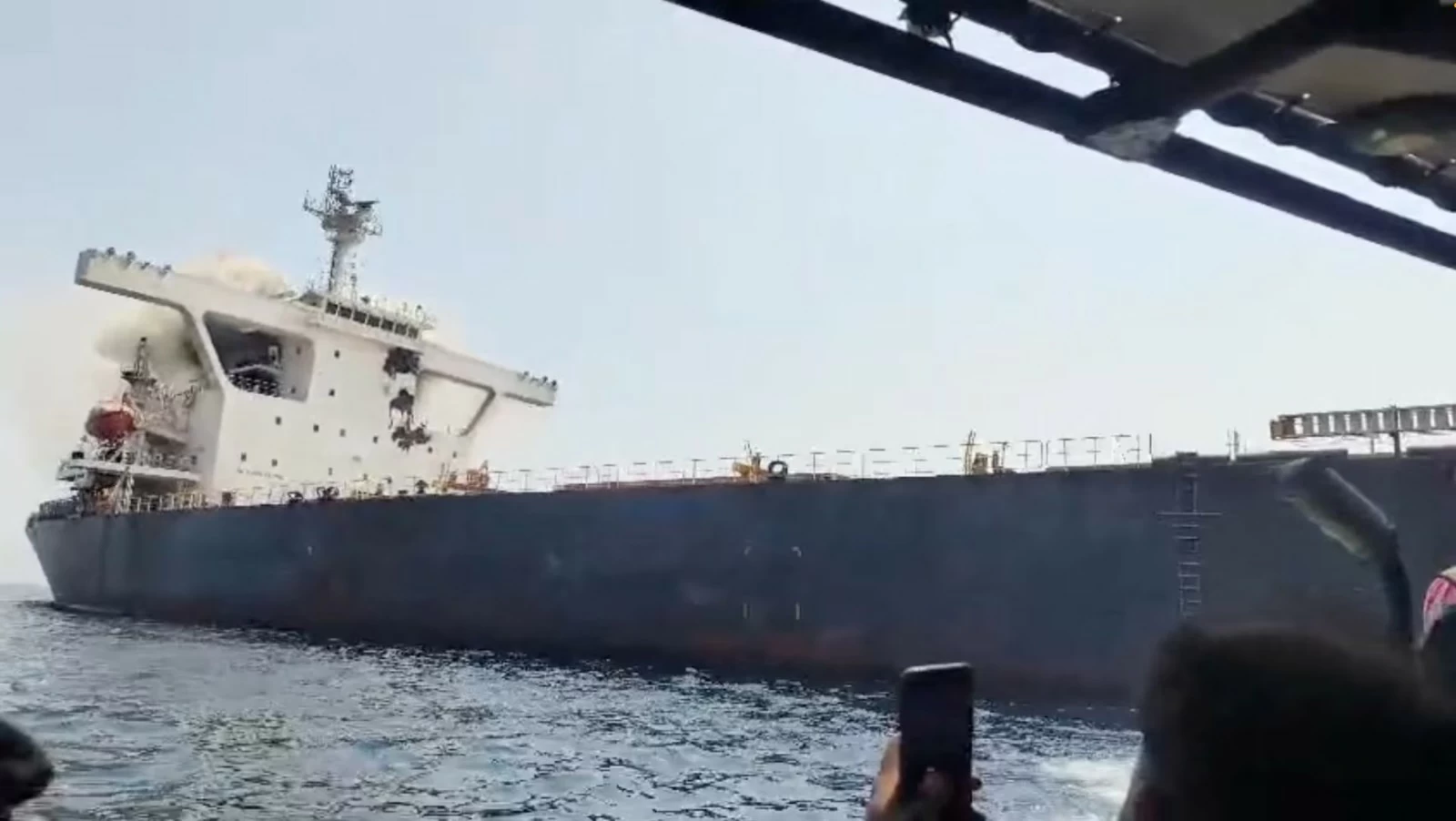
في تطور جديد يعكس تصاعد المخاطر على الملاحة التجارية، غرقت سفينة الحاويات «جي إف إس برايد» التي ترفع علم سنغافورة قرب مضيق هرمز، بعد تعرضها لمقذوف أو اصطدامها بلغم بحري، وفق روايات نقلتها مصادر أمنية بحرية، فيما أعلنت السلطات السنغافورية إجلاء أفراد الطاقم البالغ عددهم 21 شخصاً بسلام، دون تسجيل إصابات.
وبحسب وكالة رويترز، أفادت مصادر بحرية بأن السفينة غرقت أثناء عبورها المضيق، بينما قالت طهران إنها اصطدمت بلغم بحري.
وتأتي الحادثة في وقت شهدت فيه المنطقة ارتفاعاً ملحوظاً في الهجمات على السفن خلال الأيام العشرة السابقة.
وتبلغ سعة السفينة الصغيرة نسبياً نحو 2824 وحدة مكافئة لعشرين قدماً، وكانت تحمل أكثر من 2500 حاوية، بحسب تصريحات سابقة للبحرية التابعة للحرس الثوري الإيراني.
إيران تتحدث عن لغم بحري
بدوره، قال الحرس الثوري الإيراني إن السفينة حاولت عبور مسار وصفه بأنه «غير مصرح به وخطير»، قبل أن تشتعل فيها النيران إثر اصطدامها بلغم بحري.
فيما أعربت هيئة الملاحة البحرية والموانئ في سنغافورة عن قلقها إزاء استمرار الهجمات على السفن التجارية في مضيق هرمز، ووصفتها بأنها غير مبررة وتشكل انتهاكاً للقانون الدولي.
وفي حادثة منفصلة، تلقت هيئة عمليات التجارة البحرية البريطانية بلاغاً عن تعرض سفينة حاويات لضربة من مقذوف مجهول، دون أن يتضح ما إذا كان هذا البلاغ مرتبطاً بحادث غرق «جي إف إس برايد».
ثاني سفينة تغرق منذ اندلاع الحرب
ويمثل غرق «جي إف إس برايد» ثاني حادثة من نوعها منذ اندلاع الحرب الأمريكية الإيرانية في 28 فبراير، وفق بيانات المنظمة البحرية الدولية التابعة للأمم المتحدة.
وفي حادثة منفصلة، أفادت مصادر بأن سفينة الشحن «كيب داو»، التي ترفع علم أنتيغوا وبربودا، تواجه الغرق قرب المضيق، بعدما تعرضت لمقذوف في 23 سبتمبر الماضي.
وذكرت مجموعة «فانغارد» البريطانية لإدارة المخاطر البحرية أن السفينة، التي تعرضت للإصابة في سبتمبر، أصبحت مهددة بالغرق عقب فشل محاولة إنقاذها.
كما أفادت وكالة أنباء «تسنيم» الإيرانية، الأربعاء، بإصابة ثلاثة صيادين إثر تعرض قارب صيد لحادثة مرتبطة بطائرة مسيّرة مجهولة قرب مدينة سيريك في محافظة هرمزغان جنوبي إيران، ووُصف الحادثة بأنها هجوم بطائرة أمريكية مسيّرة، لكن السلطات الإيرانية لم تؤكد رسمياً ملابساته أو الجهة المسؤولة عنه.
مضيق هرمز في قلب الصراع على النفط
وقبل اندلاع الحرب، كانت تمر عبر مضيق هرمز يومياً نحو 125 إلى 140 سفينة تجارية كبيرة، تشمل ناقلات النفط والغاز وسفن الحاويات وسفن الإمداد بالوقود.
لكن حركة الملاحة توقفت فعلياً في 28 فبراير، بالتزامن مع شن الولايات المتحدة وإسرائيل ضربات جوية منسقة على إيران.
ومع استمرار المواجهة، تتزايد المخاوف من استخدام الملاحة البحرية ورقة ضغط في الصراع، خصوصاً مع الأهمية الإستراتيجية للمضيق في نقل النفط إلى الأسواق العالمية.
ونقلت تقارير عن مسؤولين إيرانيين أن طهران تتجه إلى توسيع نطاق عملياتها البحرية ليتجاوز مضيق هرمز إلى خليج عُمان ومناطق بحرية أخرى، في محاولة لإبقاء أسعار النفط مرتفعة والتأثير في الانتخابات النصفية الأمريكية المقررة في نوفمبر.
وقال أحد المسؤولين، بحسب رويترز، إن الهدف هو إحباط مساعي الولايات المتحدة لخفض أسعار النفط عالمياً.
وأضاف مسؤول إيراني آخر أن طهران لن تسمح للرئيس الأمريكي دونالد ترمب بخفض أسعار النفط قبل الانتخابات، محذراً من أن السفن التجارية لن تكون بمنأى عن المخاطر حتى خارج مضيق هرمز.
وأشار تحليل استند إلى بلاغات تلقتها هيئة عمليات التجارة البحرية البريطانية وشركات أمن بحري إلى احتمال امتداد الهجمات إلى مناطق خارج المضيق، بينها مياه قبالة سواحل قطر والإمارات خلال الأيام الأخيرة.
واشنطن ترفض الحديث عن سيطرة إيران على المضيق
في المقابل، رفضت القيادة المركزية الأمريكية الادعاءات بأن إيران تسيطر على مضيق هرمز.
وقالت القيادة، في منشور على منصة «إكس» إن القوات الأمريكية وشركاءها الإقليميين يسيطرون على المضيق.
وتأتي هذه التصريحات في ظل تصاعد التهديدات المتبادلة بين واشنطن وطهران، إذ قال ترمب، الثلاثاء، إن الولايات المتحدة ستقرر خطوتها التالية بشأن إيران «قريباً جداً»، واصفاً البلاد بأنها دولة فاشلة، ومشيراً إلى ما اعتبره تدهوراً في اقتصادها.
كما توعد إيران خلال تجمع انتخابي، مؤكداً أن منعها من امتلاك سلاح نووي يمثل هدفاً رئيسياً للولايات المتحدة.
In a new development reflecting the rising risks to commercial navigation, the container ship "GFS Pride," flying the Singapore flag, sank near the Strait of Hormuz after being hit by a projectile or colliding with a naval mine, according to accounts relayed by maritime security sources. Meanwhile, Singaporean authorities announced the safe evacuation of the 21 crew members, with no injuries reported.
According to Reuters, maritime sources reported that the ship sank while crossing the strait, while Tehran stated that it collided with a naval mine.
This incident comes at a time when the region has witnessed a noticeable increase in attacks on ships over the past ten days.
The relatively small ship has a capacity of about 2,824 twenty-foot equivalent units and was carrying more than 2,500 containers, according to previous statements from the Iranian Revolutionary Guard Navy.
Iran Talks About a Naval Mine
For its part, the Iranian Revolutionary Guard stated that the ship attempted to cross a route it described as "unauthorized and dangerous," before catching fire after colliding with a naval mine.
The Maritime and Port Authority of Singapore expressed its concern over the ongoing attacks on commercial vessels in the Strait of Hormuz, describing them as unjustified and a violation of international law.
In a separate incident, the British Maritime Trade Operations received a report about a container ship being struck by an unknown projectile, although it remains unclear whether this report is related to the sinking of the "GFS Pride."
Second Ship to Sink Since the Outbreak of War
The sinking of the "GFS Pride" represents the second such incident since the outbreak of the U.S.-Iranian war on February 28, according to data from the International Maritime Organization affiliated with the United Nations.
In a separate incident, sources reported that the cargo ship "Cape Dow," flying the flag of Antigua and Barbuda, is facing sinking near the strait after being struck by a projectile on September 23.
The British maritime risk management group "Vanguard" reported that the ship, which was damaged in September, is now threatened with sinking following a failed rescue attempt.
The Iranian news agency "Tasnim" reported on Wednesday that three fishermen were injured after a fishing boat was involved in an incident related to an unknown drone near the city of Sirik in Hormozgan province in southern Iran, describing the incident as an attack by an American drone, although Iranian authorities have not officially confirmed the circumstances or the responsible party.
The Strait of Hormuz at the Heart of the Oil Conflict
Before the outbreak of the war, approximately 125 to 140 large commercial ships, including oil and gas tankers, container ships, and fuel supply vessels, passed through the Strait of Hormuz daily.
However, maritime traffic effectively stopped on February 28, coinciding with coordinated airstrikes by the United States and Israel on Iran.
As the confrontation continues, fears are growing that maritime navigation will be used as a pressure tactic in the conflict, especially given the strategic importance of the strait in transporting oil to global markets.
Reports from Iranian officials indicate that Tehran is looking to expand its maritime operations beyond the Strait of Hormuz to the Gulf of Oman and other maritime areas, in an attempt to keep oil prices high and influence the upcoming U.S. midterm elections scheduled for November.
One official stated, according to Reuters, that the goal is to thwart U.S. efforts to lower global oil prices.
Another Iranian official added that Tehran will not allow U.S. President Donald Trump to lower oil prices before the elections, warning that commercial vessels will not be safe from risks even outside the Strait of Hormuz.
An analysis based on reports received by the British Maritime Trade Operations and maritime security companies indicated the possibility of attacks extending to areas outside the strait, including waters off the coasts of Qatar and the UAE in recent days.
Washington Refuses to Discuss Iranian Control of the Strait
In contrast, the U.S. Central Command rejected claims that Iran controls the Strait of Hormuz.
The command stated in a post on the "X" platform that U.S. forces and their regional partners control the strait.
These statements come amid escalating mutual threats between Washington and Tehran, as Trump stated on Tuesday that the United States will decide its next steps regarding Iran "very soon," describing the country as a failed state and pointing to what he considered a deterioration in its economy.
He also vowed to prevent Iran from acquiring nuclear weapons during a campaign rally, emphasizing that this represents a primary goal for the United States.