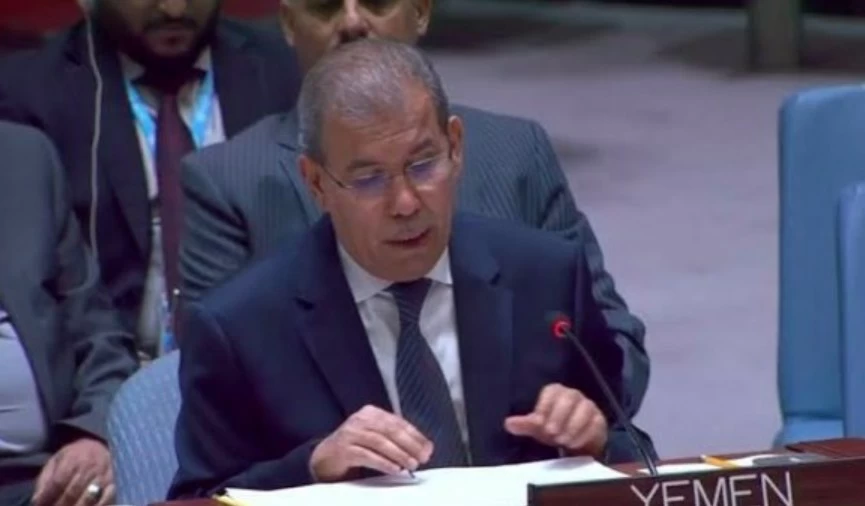
قال مندوب اليمن الدائم لدى الأمم المتحدة السفير عبدالله السعدي إن المليشيات الحوثية الإرهابية وسّعت اعتداءاتها على المملكة العربية السعودية مستهدفةً المطارات والمنشآت والأعيان المدنية والاقتصادية.
وأكد أن هذه الجرائم تكشف مجددًا حقيقة المليشيات الحوثية كجماعة إرهابية لا تتردد في استهداف المدنيين والمؤسسات الحيوية في محاولة لخلط الأوراق وصرف الأنظار عما تمارسه من انتهاكات وجرائم بحق اليمنيين منذ سنوات خدمة للمصالح الإيرانية في المنطقة. جاء ذلك في بيان بلاده ألقاه اليوم أمام مجلس الأمن خلال الجلسة المفتوحة المخصصة لمناقشة الحالة في اليمن.
وأوضح السعدي، أن القوات المسلحة اليمنية وبدعم من التحالف بقيادة المملكة العربية السعودية تدافع عن البحر الأحمر وباب المندب وتحمي بذلك شريانًا حيويًا يعتمد عليه الاقتصاد العالمي بأسره. وأضاف: «إذا كانت حرية الملاحة مصلحة مشتركة فإن حمايتها مسؤولية مشتركة أيضًا ولا ينبغي ترك اليمنيين يتحملون كلفتها وحدهم».
وطالب السفير السعدي مجلس الأمن باتخاذ موقف واضح يحمّل المليشيات الحوثية مسؤولية التصعيد والعمل على تنفيذ قرارات المجلس بفاعلية وفي مقدمتها القرار رقم (2216) واتخاذ إجراءات عملية وحازمة للحد من شبكات التمويل والتهريب ووقف تدفق الأسلحة والتكنولوجيا والخبرات والمكونات العسكرية وذات الاستخدام المزدوج إلى المليشيات الحوثية.
وشدد مندوب اليمن الدائم لدى الأمم المتحدة على مساءلة الجهات التي تقف وراء هذا الدعم للمليشيا الحوثية وفي مقدمتها النظام الإيراني وتعزيز التعاون مع الحكومة اليمنية لمواجهة شبكات التهريب والتمويل التي تغذي الحرب.
وثمن السفير السعدي المواقف الثابتة للمملكة لليمن ودعمها المتواصل لمؤسسات الدولة والاقتصاد الوطني بما في ذلك تقديم دفعة جديدة لدعم الموازنة العامة مطلع الشهر الجاري في وقت تواجه فيه البلاد تحديات اقتصادية وإنسانية غير مسبوقة.
ونوه مندوب اليمن الدائم لدى الأمم المتحدة بتوجيه خادم الحرمين الشريفين الملك سلمان بن عبدالعزيز آل سعود استجابةً لطلب الرئيس الدكتور رشاد محمد العليمي رئيس مجلس القيادة الرئاسي في اليمن باتخاذ إجراءات لتصحيح أوضاع اليمنيين الموجودين في المملكة بصورة غير نظامية، واصفًا هذا التوجيه بأنه مبادرة إنسانية بالغة الأهمية.
وقال السفير السعدي: إن مواقف المملكة تجسد حقيقة أن مسؤولية المجتمع الدولي تجاه اليمن لا ينبغي أن تتوقف عند حدود إدارة الأزمة أو الاستجابة لتداعياتها الأمنية بل يجب أن تمتد إلى حماية الإنسان اليمني.
The Permanent Representative of Yemen to the United Nations, Ambassador Abdullah Al-Saadi, stated that the terrorist Houthi militias have expanded their attacks on the Kingdom of Saudi Arabia, targeting airports, facilities, and civilian and economic sites.
He affirmed that these crimes once again reveal the true nature of the Houthi militias as a terrorist group that does not hesitate to target civilians and vital institutions in an attempt to mix the cards and divert attention from the violations and crimes they have been committing against Yemenis for years in service of Iranian interests in the region. This was stated in his country's statement delivered today before the Security Council during the open session dedicated to discussing the situation in Yemen.
Al-Saadi explained that the Yemeni armed forces, with the support of the coalition led by the Kingdom of Saudi Arabia, are defending the Red Sea and Bab al-Mandab, thereby protecting a vital artery upon which the entire global economy relies. He added, "If freedom of navigation is a shared interest, then its protection is also a shared responsibility, and Yemenis should not be left to bear its costs alone."
Ambassador Al-Saadi called on the Security Council to take a clear position that holds the Houthi militias accountable for the escalation and to work on effectively implementing the Council's resolutions, foremost among them Resolution No. (2216), and to take practical and decisive measures to limit funding and smuggling networks and to stop the flow of weapons, technology, expertise, and dual-use military components to the Houthi militias.
The Permanent Representative of Yemen to the United Nations emphasized the need to hold accountable those behind this support for the Houthi militia, primarily the Iranian regime, and to enhance cooperation with the Yemeni government to confront the smuggling and funding networks that fuel the war.
Ambassador Al-Saadi praised the steadfast positions of the Kingdom towards Yemen and its continuous support for state institutions and the national economy, including providing a new tranche to support the general budget at the beginning of this month at a time when the country faces unprecedented economic and humanitarian challenges.
The Permanent Representative of Yemen to the United Nations noted the directive of the Custodian of the Two Holy Mosques, King Salman bin Abdulaziz Al Saud, in response to a request from President Dr. Rashad Muhammad Al-Alimi, Chairman of the Presidential Leadership Council in Yemen, to take measures to rectify the status of Yemenis residing in the Kingdom irregularly, describing this directive as a highly significant humanitarian initiative.
Ambassador Al-Saadi stated that the Kingdom's positions embody the truth that the international community's responsibility towards Yemen should not stop at managing the crisis or responding to its security repercussions but should extend to protecting the Yemeni people.