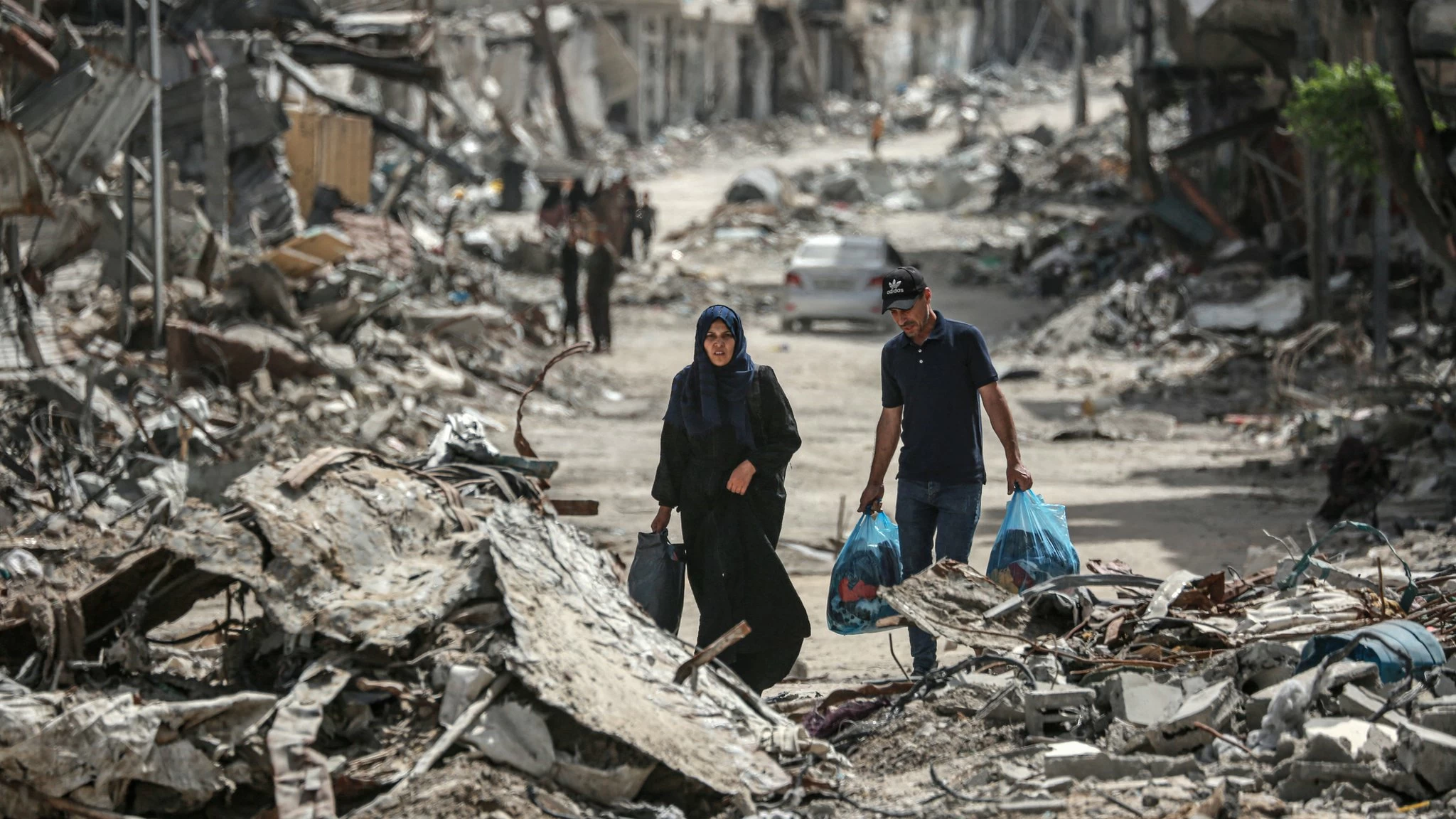
عشية الذكرى الثالثة لـ7 أكتوبر، رفعت إسرائيل مستوى التأهب في غزة في الساعات القليلة الماضية تحسباً لهجمات محتملة في ذكرى الهجوم. الأمر يعكس واقعاً أوسع من إجراء أمني: فبعد ثلاث سنوات من الحرب، لم تصل المنطقة إلى نقطة يمكن عندها التعامل مع نتائج ما جرى في هذا اليوم باعتبارها نهائية، فيما لا تزال المواجهة قابلة للتجدد، والأسئلة التي فجّرها ذلك اليوم مفتوحة.
المنطقة تغيّرت.. لكن لم تستقر بعد
فالحرب لم تبق في حدود المواجهة التي بدأت منها. توسعت دوائرها، وتبدلت طبيعة الاشتباك، وتدخلت قوى دولية بصورة مباشرة، وسقطت افتراضات كانت تحكم التعامل مع أمن المنطقة. لكن الانتقال من واقع إلى آخر لم يكتمل. صحيح أن ما حدث كان كافياً لتقويض ترتيبات قديمة، لكنه لم يكن كافياً بعد لبناء ترتيبات جديدة قادرة على الصمود. وهذا هو الفارق بين تغيير الوقائع وتغيير النظام.
فالوقائع يمكن أن تتغير بسرعة تحت تأثير الحرب، أما النظام الإقليمي فيحتاج إلى تفاهمات وحدود نفوذ وترتيبات أمنية وسياسية وقواعد يتعامل معها الخصوم قبل الحلفاء باعتبارها مستقرة. وهذه الشروط لم تكتمل بعد.
ملفات عدة لا تزال عالقة
لذلك يجد الشرق الأوسط نفسه اليوم واقفاً في منطقة رمادية بين مرحلتين: لم يعد إلى الوضع الذي كان قائماً قبل 7 أكتوبر، ولم يصل أيضاً إلى مرحلة يمكن معها تحديد شكل النظام الذي سيحل مكانه. وحيثما تحقق وقف إطلاق النار، فإنه لا يجيب تلقائياً عن سؤال اليوم التالي.
في غزة، أوقفت التفاهمات جانباً من القتال، وأُنجزت خطوات في ملف الرهائن والأسرى، لكن الملفات التي يفترض أن تنقل القطاع من الهدنة إلى التسوية لا تزال عالقة: السلاح، الانسحاب الإسرائيلي، إدارة القطاع وإعادة إعمارها. وحتى الخطة الأمريكية التي دخلت عامها الثاني لم تتمكن من تجاوز هذه العقد، فيما تستمر الضربات وتبقى القوات الإسرائيلية مسيطرة على مساحة واسعة من القطاع. وهذا يكشف مشكلة أوسع من غزة نفسها: المنطقة وصلت إلى مرحلة أصبح فيها وقف الحرب أسهل من الاتفاق على ما سيأتي بعدها.
خلاف على شكل الترتيبات
فالخلاف اليوم هو على شكل الترتيب الذي يجب أن يولد من وقف إطلاق النار: من يضمن الأمن؟ من يملك القرار؟ ما حدود الانسحاب؟ وكيف تُدار المناطق التي خضعت للسيطرة العسكرية؟ وما الضمانات التي تمنع العودة إلى المواجهة؟ هذه الأسئلة لا تخص جبهة غزة وحدها، ولذلك يصعب فصل مسار عن آخر. فما يجري في كل ساحة بات مرتبطاً بمن يحدد قواعد الأمن في المنطقة، وما إذا كانت الولايات المتحدة ستبقى صاحبة الدور الحاسم في رسمها، وكيف ستتعامل القوى الإقليمية كالخليج ومصر وتركيا مع هذا الدور.
نتائج المواجهة بين واشنطن وطهران
وفي قلب هذا المشهد، فإن ما ستؤول إليه المواجهة بين واشنطن وطهران يبقى عاملاً أساسياً في تحديد اتجاه المرحلة القادمة. فالمسائل العالقة بين الطرفين، من البرنامج النووي والعقوبات إلى أمن الملاحة وترتيبات الأمن الإقليمي، لم تصل بعد إلى صيغة نهائية، ويجعل الحديث عن شرق أوسط جديد سابقاً لأوانه، ليس لأن شيئاً لم يتغير، بل لأن الكثير تغير دون أن يتحول بعد إلى نظام.
بعد ثلاث سنوات، يبدو أن 7 أكتوبر فعل شيئاً واضحاً: أنهى صلاحية كثير من الافتراضات التي كانت تحكم الشرق الأوسط لكنه لم يقدم حتى الآن بديلاً مستقراً عنها. فمتى تتوقف هذه المرحلة الانتقالية، ومن سيضع القواعد التي ستأتي بعدها؟
On the eve of the third anniversary of October 7, Israel raised its alert level in Gaza in the past few hours in anticipation of possible attacks on the anniversary of the assault. This reflects a broader reality than just a security measure: after three years of war, the region has not reached a point where it can consider the outcomes of that day as final, while the confrontation remains capable of renewal, and the questions raised by that day are still open.
The region has changed.. but it has not stabilized yet
The war did not remain confined to the confrontation from which it began. Its circles have expanded, the nature of the engagement has changed, and international powers have intervened directly, while assumptions that governed the handling of regional security have collapsed. However, the transition from one reality to another has not been completed. It is true that what happened was sufficient to undermine old arrangements, but it has not yet been enough to build new arrangements capable of enduring. This is the difference between changing facts and changing the system.
Facts can change rapidly under the influence of war, while the regional system requires understandings, spheres of influence, security and political arrangements, and rules that adversaries treat as stable before allies do. These conditions have not yet been fulfilled.
Several files remain unresolved
Therefore, the Middle East finds itself today standing in a gray area between two phases: it has not returned to the situation that existed before October 7, nor has it reached a stage where the shape of the system that will replace it can be defined. Wherever a ceasefire has been achieved, it does not automatically answer the question of the next day.
In Gaza, understandings have halted some of the fighting, and steps have been taken regarding hostages and prisoners, but the files that are supposed to move the sector from a truce to a settlement remain unresolved: weapons, Israeli withdrawal, sector management, and reconstruction. Even the American plan, which has entered its second year, has not been able to overcome these obstacles, while strikes continue and Israeli forces remain in control of a vast area of the sector. This reveals a broader problem than Gaza itself: the region has reached a stage where stopping the war is easier than agreeing on what will come next.
Disagreement on the shape of the arrangements
The disagreement today is about the shape of the arrangement that should emerge from the ceasefire: who guarantees security? Who holds the decision-making power? What are the limits of withdrawal? How are the areas under military control managed? And what guarantees prevent a return to confrontation? These questions do not pertain solely to the Gaza front, which makes it difficult to separate one path from another. What happens in every arena has become linked to who determines the security rules in the region, whether the United States will remain the decisive player in shaping them, and how regional powers like the Gulf states, Egypt, and Turkey will deal with this role.
Consequences of the confrontation between Washington and Tehran
At the heart of this scene, the outcome of the confrontation between Washington and Tehran remains a fundamental factor in determining the direction of the coming phase. The unresolved issues between the two sides, from the nuclear program and sanctions to maritime security and regional security arrangements, have not yet reached a final formula, making discussions about a new Middle East premature—not because nothing has changed, but because much has changed without yet transforming into a system.
After three years, it seems that October 7 did something clear: it ended the validity of many assumptions that governed the Middle East, but it has not yet provided a stable alternative to them. So when will this transitional phase end, and who will set the rules that will follow?