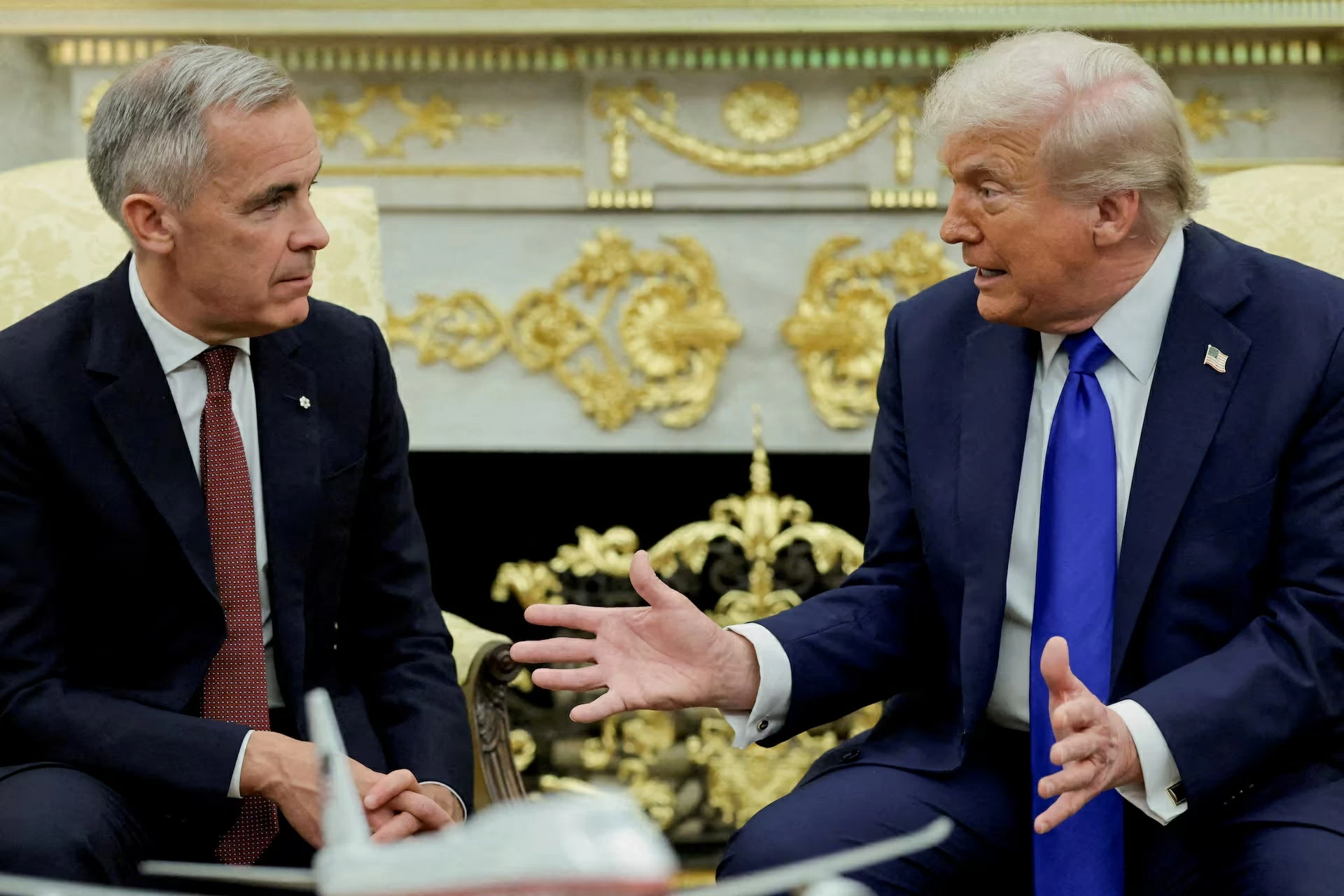
دخلت كندا مرحلة جديدة في علاقتها بالولايات المتحدة، مع إعلان رئيس الوزراء مارك كارني أن حكومته تعمل على تقليص الاعتماد الاقتصادي والاستراتيجي على واشنطن، إلى حد دراسة أسوأ الاحتمالات، بما فيها احتمال لجوء الولايات المتحدة إلى عمل عسكري ضد بلاده، رغم تأكيده أن هذا السيناريو لا يمثل الاحتمال الأساسي.
وقال كارني، في مقابلة موسعة مع صحيفة «نيويورك تايمز»، إنه أمضى العام الماضي في الاستعداد لما وصفه بـ«المخاطر القصوى»، مؤكداً أن من مسؤولية أي حكومة دراسة السيناريوهات شديدة الخطورة والاستعداد لها، حتى وإن كانت غير مرجحة. وشدد في المقابل على استمرار قنوات الاتصال مع الرئيس الأمريكي دونالد ترمب، قائلاً إنهما تحدثا مرات عدة حتى بعد انهيار المفاوضات التجارية بين البلدين.
وبالتوازي مع إدارة التوتر التجاري، بدأ كارني إعادة رسم خريطة اعتماد بلاده على الولايات المتحدة، خصوصاً في القطاعات الحساسة. وتشمل الخطة تقليص الاعتماد على منظومة «ستارلينك» التابعة لإيلون ماسك، والبحث عن بدائل في مجال الاتصالات الفضائية، إلى جانب إعادة النظر في صفقة شراء 88 مقاتلة من طراز F-35، ودراسة مقاتلات «جريبن» السويدية، مع تركيز متزايد على حاجات الدفاع الكندي في منطقة القطب الشمالي.
وتنسجم هذه الخطوات مع تحرك أوسع تقوده أوتاوا لتنويع شراكاتها. فقد عززت كندا خلال الأيام الماضية تعاونها مع الاتحاد الأوروبي، كما تقدمت بطلب للانضمام إلى شراكة عسكرية بقيادة بريطانيا، فيما اختارت شركة ألمانية لبناء غواصات جديدة للبحرية الكندية. وتشير «رويترز» إلى أن هذه التحركات تأتي ضمن مساعي كارني لتقليل الاعتماد الدفاعي على الولايات المتحدة، مع الإقرار بأن فك الارتباط الكامل يظل صعباً بسبب التشابك الأمني والعسكري بين البلدين.
اقتصادياً، لا تبدو أوتاوا مستعدة لقطع خطوط التجارة مع واشنطن، رغم تصاعد الحرب الجمركية. وقال كارني إن الباب لا يزال مفتوحاً أمام استئناف المفاوضات وإبرام اتفاق تجاري يخدم مصالح الطرفين، مشيراً إلى أهمية صادرات البوتاس الكندية، التي توفر نحو 90% من واردات الولايات المتحدة منه، كإحدى الأوراق المطروحة على طاولة التفاوض.
وفي المقابل، يتحفظ كارني على استخدام الطاقة كسلاح في النزاع التجاري، رغم اعتماد الولايات المتحدة بصورة كبيرة على النفط الكندي. ويرى أن استمرار التكامل الاقتصادي بين البلدين يخدم مصالحهما، مستشهداً بقطاع السيارات الذي يعتمد على سلاسل إنتاج عابرة للحدود.
وتتجاوز إستراتيجية كارني الخلاف مع إدارة ترمب إلى إعادة صياغة موقع كندا في النظام الدولي؛ إذ يدفع نحو توسيع العلاقات مع أوروبا وآسيا وتعزيز التعاون في الطاقة والتكنولوجيا والدفاع والفضاء، في وقت وصف فيه مسار بلاده بأنه انتقال من الاعتماد على شريك واحد إلى تنويع الخيارات. كما تتزامن هذه السياسة مع تحركات كندية لتعميق العلاقات التجارية مع دول جنوب شرق آسيا.
ورغم هذا التحول، يؤكد كارني أن العلاقة مع واشنطن ستظل أساسية، وأن هدفه ليس القطيعة، بل جعل كندا أقل عرضة للضغوط والتقلبات السياسية، مع الحفاظ على قنوات الحوار مع الإدارة الأمريكية.
Canada has entered a new phase in its relationship with the United States, with Prime Minister Mark Carney announcing that his government is working to reduce economic and strategic dependence on Washington, to the extent of considering worst-case scenarios, including the possibility of the United States resorting to military action against his country, although he confirmed that this scenario does not represent the primary likelihood.
Carney stated in an extensive interview with the New York Times that he spent the past year preparing for what he described as "extreme risks," emphasizing that it is the responsibility of any government to study and prepare for highly dangerous scenarios, even if they are unlikely. He stressed, however, the importance of maintaining communication channels with U.S. President Donald Trump, saying they have spoken several times even after the collapse of trade negotiations between the two countries.
In parallel with managing trade tensions, Carney has begun to redraw the map of his country's dependence on the United States, particularly in sensitive sectors. The plan includes reducing reliance on Elon Musk's Starlink system and seeking alternatives in the field of space communications, as well as reconsidering the deal to purchase 88 F-35 fighter jets and studying Swedish Gripen fighters, with an increasing focus on Canadian defense needs in the Arctic region.
These steps align with a broader move led by Ottawa to diversify its partnerships. Canada has recently strengthened its cooperation with the European Union, applied to join a military partnership led by Britain, and selected a German company to build new submarines for the Canadian Navy. Reuters indicates that these moves are part of Carney's efforts to reduce defense reliance on the United States, acknowledging that complete decoupling remains difficult due to the security and military entanglement between the two countries.
Economically, Ottawa does not seem ready to sever trade ties with Washington, despite the escalating trade war. Carney stated that the door remains open for resuming negotiations and reaching a trade agreement that serves the interests of both parties, pointing to the importance of Canadian potash exports, which provide about 90% of U.S. imports of it, as one of the bargaining chips on the negotiation table.
Conversely, Carney is cautious about using energy as a weapon in the trade dispute, despite the United States' significant reliance on Canadian oil. He believes that continued economic integration between the two countries serves their interests, citing the automotive sector, which relies on cross-border production chains.
Carney's strategy goes beyond the disagreement with the Trump administration to reshape Canada's position in the international system; he is pushing for the expansion of relations with Europe and Asia and enhancing cooperation in energy, technology, defense, and space, at a time when he described his country's path as a transition from reliance on a single partner to diversifying options. This policy coincides with Canadian moves to deepen trade relations with Southeast Asian countries.
Despite this shift, Carney emphasizes that the relationship with Washington will remain fundamental, and his goal is not to sever ties but to make Canada less vulnerable to pressures and political fluctuations while maintaining dialogue channels with the U.S. administration.