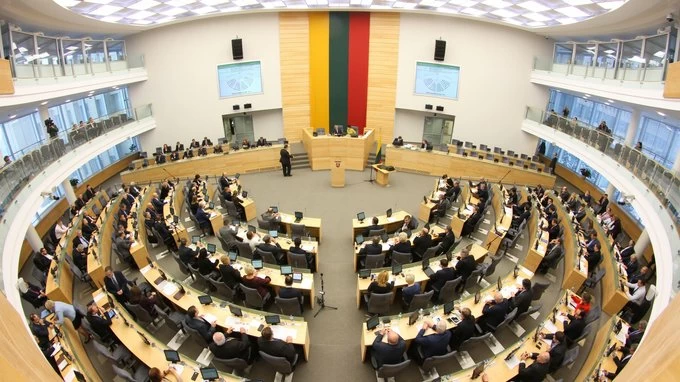
اتخذ البرلمان الليتواني «السيماس» خطوة جديدة نحو رفع الحظر الدستوري المفروض على نشر أسلحة الدمار الشامل والقواعد العسكرية الأجنبية، في تطور يعكس التحولات الأمنية المتسارعة على الجناح الشرقي لحلف «الناتو».
وصوّت 99 نائبًا، اليوم (الثلاثاء)، لصالح مشروع تعديل الدستور، مقابل 13 عارضوه وامتناع 5 عن التصويت، ليُحال المشروع إلى المراحل التالية من العملية التشريعية، ولا يعني التصويت في حد ذاته السماح بنشر أسلحة نووية في ليتوانيا، وإنما يمهد لإزالة القيد الدستوري الذي يحول دون ذلك.
ويستهدف التعديل المادة 137 من الدستور، التي تنص حاليًا على أنه لا يجوز نشر أسلحة الدمار الشامل أو إقامة قواعد عسكرية لدول أجنبية على الأراضي الليتوانية، حيث يعود هذا النص إلى مرحلة ما بعد استقلال ليتوانيا عن الاتحاد السوفيتي، في وقت كانت فيه البيئة الأمنية الأوروبية مختلفة بصورة كبيرة عن الوضع الحالي.
وبموجب الإجراءات الدستورية، لا يزال أمام التعديل اختباران حاسمان؛ إذ يتعين التصويت عليه مرتين بفاصل لا يقل عن ثلاثة أشهر، مع ضرورة حصوله في كل مرة على تأييد ثلثي أعضاء البرلمان، أي 94 نائبًا على الأقل من أصل 141، ووفق الجدول المطروح، من المقرر إجراء التصويت النهائي الأول في أكتوبر، على أن يتبعه التصويت الثاني في يناير 2027.
وتأتي الخطوة في ظل تصاعد المخاوف الأمنية في دول البلطيق، ولا سيما مع قرب ليتوانيا من روسيا وبيلاروسيا ووجودها على الجناح الشرقي للناتو. وكانت ليتوانيا قد أعلنت في يوليو توافقًا سياسيًا على تعديل المادة الدستورية، معتبرة أن القيود التي وضعت قبل أكثر من ثلاثة عقود لم تعد تتناسب مع البيئة الأمنية الراهنة.
ويرتبط التحرك أيضًا بنقاش أوسع داخل الحلف بشأن توزيع أعباء الردع النووي. فقد أكد وزير الدفاع الليتواني روبرتاس كاوناس في يونيو الماضي أن بلاده تشارك في مناقشات بشأن إمكانية نشر قدرات نووية أمريكية إضافية في دول أوروبية أعضاء في الناتو، موضحًا أن تفاصيل هذه المحادثات سرية، وقال لاحقًا إن نشر أسلحة نووية أمريكية في ليتوانيا يمكن بحثه في حالة وقوع أزمة أو حرب، وليس في وقت السلم.
وفي السياق نفسه، أكدت فيلنيوس أن الوجود العسكري الأمريكي يمثل عنصرًا أساسيًا في الردع الإقليمي، فيما تستعد ليتوانيا لتعزيز بنيتها العسكرية واستقبال لواء ألماني بصورة دائمة بحلول عام 2027.
كما زادت البلاد مشترياتها الدفاعية من الولايات المتحدة، إذ أعلنت وزارة الدفاع أن قيمة الأسلحة والمعدات الأمريكية التي اشترتها خلال السنوات الثلاث الماضية بلغت نحو ملياري يورو.
وتواجه الخطوة اعتراضًا روسيًا حادًا؛ إذ حذر المتحدث باسم الكرملين دميتري بيسكوف من أن نشر أسلحة نووية في ليتوانيا سيجعلها هدفًا للأسلحة النووية الروسية، بينما ترى فيلنيوس أن تعزيز اندماجها في منظومة الردع الجماعي للناتو يمثل جزءًا من حساباتها الأمنية.
The Lithuanian Parliament, the Seimas, has taken a new step towards lifting the constitutional ban on the deployment of weapons of mass destruction and foreign military bases, in a development that reflects the rapid security transformations on NATO's eastern flank.
Today (Tuesday), 99 deputies voted in favor of the constitutional amendment project, while 13 opposed it and 5 abstained from voting, allowing the project to move to the next stages of the legislative process. The vote itself does not mean that nuclear weapons will be allowed in Lithuania, but it paves the way for the removal of the constitutional restriction that prevents this.
The amendment targets Article 137 of the constitution, which currently states that the deployment of weapons of mass destruction or the establishment of military bases for foreign countries on Lithuanian territory is prohibited. This text dates back to the period following Lithuania's independence from the Soviet Union, at a time when the European security environment was significantly different from the current situation.
According to constitutional procedures, the amendment still faces two critical tests; it must be voted on twice with an interval of at least three months, and it must receive the support of two-thirds of the parliament members each time, which means at least 94 deputies out of 141. According to the proposed schedule, the first final vote is set to take place in October, followed by the second vote in January 2027.
This step comes amid rising security concerns in the Baltic states, particularly with Lithuania's proximity to Russia and Belarus and its position on NATO's eastern flank. Lithuania announced in July a political consensus on amending the constitutional article, considering that the restrictions imposed over three decades ago no longer align with the current security environment.
The move is also linked to a broader discussion within the alliance regarding the distribution of nuclear deterrence burdens. Lithuanian Defense Minister Arvydas Anušauskas confirmed last June that his country is participating in discussions about the possibility of deploying additional U.S. nuclear capabilities in NATO member countries in Europe, clarifying that the details of these talks are confidential. He later stated that the deployment of U.S. nuclear weapons in Lithuania could be discussed in the event of a crisis or war, not in peacetime.
In the same context, Vilnius has confirmed that the U.S. military presence is a key element of regional deterrence, as Lithuania prepares to enhance its military infrastructure and permanently host a German brigade by 2027.
The country has also increased its defense purchases from the United States, with the Ministry of Defense announcing that the value of American weapons and equipment it has purchased over the past three years amounts to approximately two billion euros.
The step faces sharp Russian opposition; Kremlin spokesman Dmitry Peskov warned that the deployment of nuclear weapons in Lithuania would make it a target for Russian nuclear weapons, while Vilnius sees strengthening its integration into NATO's collective deterrence system as part of its security calculations.