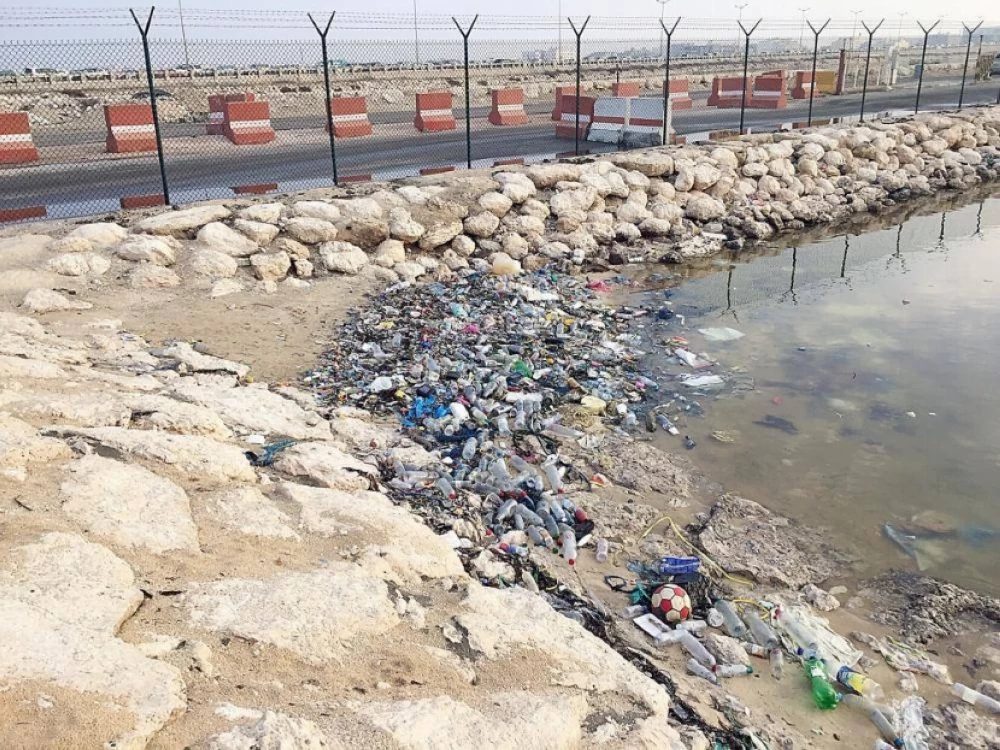
أكد مختصان قانونيان أن سداد الغرامة المقررة في المخالفات البيئية لا يُسقط عن المتسبب التزامه بالتعويض عن الضرر وإعادة تأهيل الموقع المتضرر، وأن لكل من الغرامة والتعويض وإعادة التأهيل غاية قانونية مستقلة.
جاء توضيح المحاميين تزامناً مع طرح مسودة الضوابط المتعلقة بأسس حساب التعويضات عن الأضرار البيئية عبر منصة «استطلاع»، التي تستهدف وضع إطار لتقدير الضرر واحتساب تكاليف معالجته وإعادة تأهيل البيئة المتضررة، بما يشمل الخسائر المباشرة وغير المباشرة المرتبطة به.
احمد المالكي
أوضح المحامي أحمد جمعان المالكي لـ«عكاظ» أن الغرامة تُفرض جزاءً على المخالفة، فيما يستهدف التعويض جبر الضرر البيئي والخسائر الناجمة عنه، بينما تهدف إعادة التأهيل إلى معالجة آثار الضرر وإعادة الموقع إلى حالته السابقة قدر الإمكان.
وأضاف أن الضوابط المطروحة تؤكد إمكان اجتماع الالتزامات، مبيناً أن مجرد سداد الغرامة لا يعني انتهاء مسؤولية المتسبب عن الضرر البيئي، بل يبقى ملزماً بالتعويض وإعادة التأهيل متى توافرت موجباتهما، مع مراعاة عدم ازدواج احتساب تكاليف إعادة التأهيل ضمن التعويض.
رباب المعبي
المخالفة لا تنتهي بدفع الغرامة
قالت المحامية والمحكّم التجاري الدكتورة رباب أحمد المعبي إن المسودة تطرح مفهوماً مهماً في المسؤولية البيئية، يتمثل في أن المخالفة لا تنتهي بدفع الغرامة، بل تتجاوز الجانب العقابي إلى معالجة الضرر وجبر آثاره.
وبيّنت أن الإطار النظامي البيئي في المملكة يقوم على مبدأ «الملوّث يدفع»، بما يحمله من تكاليف الدراسات والتدابير التصحيحية ومكافحة التلوث وإعادة التأهيل والتعويضات اللازمة. وأضافت أن التعويض يرتبط بالضرر الواقع، في حين تستهدف إعادة التأهيل إصلاح الموقع المتضرر واستعادة توازنه البيئي بقدر الإمكان.
وأكدت المعبي أن الضرر البيئي يختلف عن الأضرار التقليدية، ويمتد أثره إلى المياه أو التربة أو الهواء أو الحياة الفطرية، وقد تظهر بعض نتائجه بعد فترة من وقوع المخالفة، ما يجعل تقييمه متصلاً بحجم الضرر وتكلفة المعالجة وفقد الانتفاع بالموارد الطبيعية خلال فترة التعافي.
ورأت أن الفصل بين الغرامة والتعويض وإعادة التأهيل يحقق عدالة أكبر؛ فالغرامة للردع والعقاب، والتعويض لجبر الضرر، وإعادة التأهيل لإصلاح البيئة ذاتها، بما يرسخ مسؤولية الأفراد والمنشآت عن النتائج الفعلية لأنشطتهم، ويعزز الوقاية والالتزام بالاشتراطات البيئية.
Two legal specialists confirmed that paying the fine imposed for environmental violations does not absolve the offender of their obligation to compensate for the damage and rehabilitate the affected site, and that each of the fine, compensation, and rehabilitation has an independent legal purpose.
The clarification from the lawyers came in conjunction with the release of a draft of the regulations related to the principles of calculating compensation for environmental damage through the "Survey" platform, which aims to establish a framework for assessing damage and calculating the costs of addressing it and rehabilitating the affected environment, including both direct and indirect losses associated with it.
احمد المالكي
Lawyer Ahmed Jumaan Al-Maliki explained to "Okaz" that the fine is imposed as a penalty for the violation, while compensation aims to remedy the environmental damage and the losses resulting from it, whereas rehabilitation aims to address the effects of the damage and restore the site to its previous condition as much as possible.
He added that the proposed regulations confirm the possibility of concurrent obligations, indicating that merely paying the fine does not mean the end of the offender's responsibility for the environmental damage; they remain obligated to provide compensation and rehabilitation whenever the conditions for them are met, taking care to avoid double counting the costs of rehabilitation within the compensation.
رباب المعبي
The Violation Does Not End with Paying the Fine
Lawyer and commercial arbitrator Dr. Rabab Ahmed Al-Muabi stated that the draft presents an important concept in environmental responsibility, which is that the violation does not end with the payment of the fine, but extends beyond the punitive aspect to addressing the damage and remedying its effects.
She clarified that the environmental regulatory framework in the Kingdom is based on the principle of "the polluter pays," which includes the costs of studies, corrective measures, pollution control, rehabilitation, and necessary compensations. She added that compensation is related to the actual damage, while rehabilitation aims to restore the affected site and regain its ecological balance as much as possible.
Al-Muabi emphasized that environmental damage differs from traditional damages, extending its impact to water, soil, air, or wildlife, and some of its effects may appear after a period following the violation, making its assessment connected to the extent of the damage, the cost of remediation, and the loss of utility of natural resources during the recovery period.
She believes that separating the fine, compensation, and rehabilitation achieves greater justice; the fine serves as a deterrent and punishment, compensation is for remedying the damage, and rehabilitation is for restoring the environment itself, which reinforces the responsibility of individuals and entities for the actual results of their activities and enhances prevention and compliance with environmental requirements.