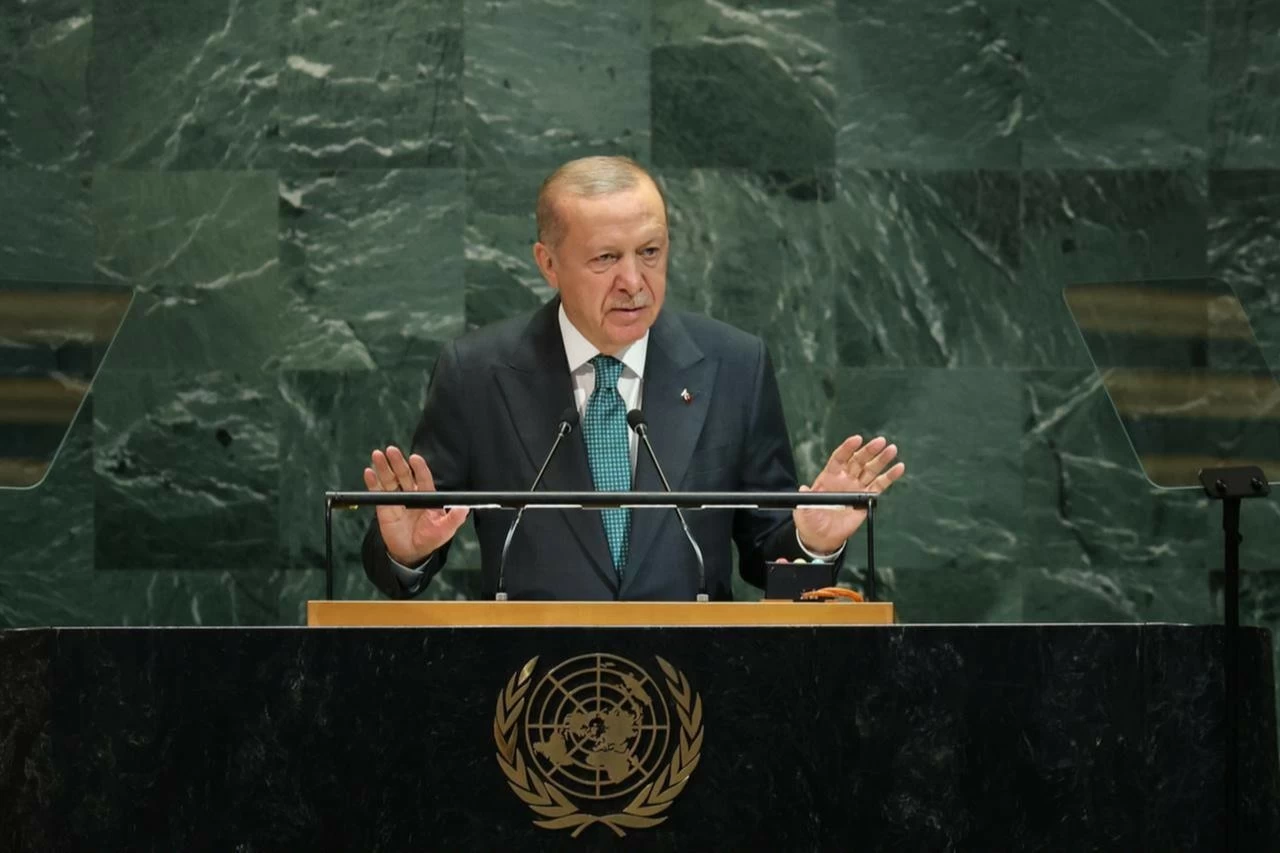
طرح الرئيس التركي رجب طيب أردوغان مقترحاً لإعادة هيكلة مجلس الأمن التابع للأمم المتحدة، بحيث يتكون بالكامل من أعضاء منتخبين، مع إلغاء المقاعد الدائمة وحق النقض «الفيتو» الذي تتمتع به الولايات المتحدة وبريطانيا وفرنسا وروسيا والصين.
وقال أردوغان، في مقال نشرته «بلومبرغ» بعنوان «السعي إلى العدالة العالمية في عالم متغير»، إن الحاجة إلى إصلاح النظام الدولي يجب أن تتحول إلى «خريطة طريق ملموسة»، مشدداً على أن إلغاء امتياز حق النقض ينبغي أن يكون في صدارة هذه الخطة.
وبموجب التصور الذي طرحه الرئيس التركي، يتم انتخاب أعضاء مجلس الأمن من قبل الجمعية العامة للأمم المتحدة لفترات زمنية محددة، على أن تضطر الدول الراغبة في الحصول على ولاية جديدة إلى تأمين أغلبية الأصوات مرة أخرى، بما يمنح الجمعية العامة دوراً أكبر في مراقبة تركيبة المجلس.
كما دعا أردوغان إلى تعزيز دور الجمعية العامة للأمم المتحدة في عملية صنع القرار العالمي، مؤكداً أنه لا ينبغي لأي دولة أن تمتلك بصورة دائمة القدرة على تعطيل إرادة المجتمع الدولي.
أردوغان: المؤسسات الدولية بحاجة إلى التكيف
وقال الرئيس التركي إن مجلس الأمن لا يزال يعكس إلى حد كبير الهيكل الذي تأسس في أعقاب الحرب العالمية الثانية، بينما تغيرت طبيعة التحديات والظروف الدولية بصورة كبيرة.
واستشهد أردوغان بجائحة كورونا، وصدمات الطاقة، واضطرابات سلاسل الإمداد، والصراعات الإقليمية، باعتبارها أزمات كشفت، بحسب طرحه، محدودية تركيز القرارات الدولية الرئيسية في عدد صغير من العواصم.
ويردد أردوغان منذ سنوات شعار «العالم أكبر من خمسة» في دعوته إلى إصلاح هيكل مجلس الأمن، في إشارة إلى الدول الخمس دائمة العضوية.
ويرى أن مجرد إضافة دول جديدة إلى قائمة الأعضاء الدائمين لن يعالج، من وجهة نظره، مشكلة تركّز سلطة اتخاذ القرار في يد مجموعة محدودة من الدول.
وأشار كذلك إلى ظهور مراكز جديدة للنفوذ في مجالات الاقتصاد والأمن والتكنولوجيا والدبلوماسية، معتبراً أن المؤسسات الدولية لم تواكب بالقدر الكافي هذه التحولات في موازين القوى العالمية.
دعوة لتعزيز صلاحيات الجمعية العامة
وطالب أردوغان أيضاً بتعزيز صلاحيات الجمعية العامة للأمم المتحدة وجعل مجلس الأمن أكثر خضوعاً للمساءلة أمامها.
وقال إن «تمثيل مجلس الأمن ومساءلته أمام الجمعية العامة يجب أن يتعززا»، داعياً إلى إعادة النظر في بنية النظام الدولي بما يتناسب مع التحولات الجيوسياسية والاقتصادية الراهنة.
وأكد الرئيس التركي أن النظام الدولي لا يمكن، بحسب رؤيته، إعادة بنائه على أساس توازنات وتراتبيات تعود إلى الماضي، مشيراً في الوقت ذاته إلى تنامي الثقل الاقتصادي لآسيا ومطالب الدول الأفريقية بتمثيل أقوى في مؤسسات صنع القرار العالمي.
كما أشار إلى الحروب وأزمة المناخ والهجرة غير النظامية والهشاشة الاقتصادية باعتبارها تطورات تؤكد الحاجة إلى مؤسسات دولية أكثر فاعلية، واقتصادات قادرة على الصمود، وقدرات دفاعية فعالة.
أردوغان ينتقد اختلالات الاقتصاد العالمي
وانتقل الرئيس التركي في مقاله إلى الحديث عن التفاوتات داخل الاقتصاد العالمي، معتبراً أن التوقعات التي رافقت العولمة بشأن توزيع الرخاء على نطاق واسع لم تتحقق بالكامل.
وأشار إلى اتساع الفوارق في مستويات الدخل، بالتزامن مع بروز التبعية التكنولوجية والاقتصادية باعتبارها مجالات جديدة للتنافس الدولي.
ودعا أردوغان إلى ضمان حق الدول النامية في التنمية وتوفير إمكانية أفضل للحصول على التمويل، مشدداً على أن الحلول القائمة على إرادة الدول المعنية وظروفها المحلية ومصالحها المشتركة يمكن أن تحقق نتائج أكثر استدامة واستقراراً.
كما حث الدول التي تتمتع بقدرات دبلوماسية واقتصادية على الاضطلاع بأدوار أكثر نشاطاً في دعم السلام والاستقرار الدوليين.
تركيا تؤكد دعمها لإصلاح النظام الدولي
وأكد أردوغان أن تركيا ستواصل الاستفادة من علاقاتها الدولية وخبرتها في الدبلوماسية متعددة الأطراف لدعم الجهود الرامية إلى إصلاح النظام الدولي.
وقال إن بلاده تؤيد إلغاء حق النقض، ومنح الأعضاء المنتخبين وزناً أكبر في عمليات صنع القرار، وتعزيز دور الجمعية العامة للأمم المتحدة.
وأضاف أن تعزيز التعاون بين الدول المنتمية إلى مناطق مختلفة، على أساس مبادئ مشتركة، من شأنه دعم شرعية النظام الدولي وقدرته على تمثيل مختلف أطراف المجتمع الدولي.
وفي ختام طرحه، شدد أردوغان على أن تحقيق السلام الدائم في العالم لا يمكن أن يقوم على زيادة عدد التكتلات المنفصلة عن بعضها وغير القادرة على التواصل.
وقال إن بناء عالم أكثر عدالة يتطلب جمع خبرات وقدرات وإرادة مختلف مناطق العالم على أرضية مشتركة.
The Turkish President Recep Tayyip Erdoğan has proposed a restructuring of the United Nations Security Council, so that it is entirely composed of elected members, with the abolition of permanent seats and the veto power held by the United States, Britain, France, Russia, and China.
Erdoğan stated in an article published by "Bloomberg" titled "The Pursuit of Global Justice in a Changing World" that the need for reforming the international system should transform into a "concrete roadmap," emphasizing that the abolition of the veto privilege should be at the forefront of this plan.
According to the vision proposed by the Turkish president, members of the Security Council would be elected by the United Nations General Assembly for fixed terms, and countries wishing to obtain a new mandate would have to secure a majority of votes again, thereby giving the General Assembly a greater role in monitoring the composition of the council.
Erdoğan also called for enhancing the role of the United Nations General Assembly in global decision-making, asserting that no country should permanently possess the ability to disrupt the will of the international community.
Erdoğan: International Institutions Need to Adapt
The Turkish president noted that the Security Council still largely reflects the structure established in the aftermath of World War II, while the nature of challenges and international circumstances has changed significantly.
He cited the COVID-19 pandemic, energy shocks, supply chain disruptions, and regional conflicts as crises that have revealed, according to his argument, the limitations of concentrating major international decisions in a small number of capitals.
For years, Erdoğan has echoed the slogan "the world is bigger than five" in his call for reforming the structure of the Security Council, referring to the five permanent member states.
He believes that merely adding new countries to the list of permanent members will not address, in his view, the problem of concentrating decision-making power in the hands of a limited group of countries.
He also pointed to the emergence of new centers of influence in the fields of economy, security, technology, and diplomacy, considering that international institutions have not adequately kept pace with these shifts in global power balances.
Call to Enhance the Powers of the General Assembly
Erdoğan also called for enhancing the powers of the United Nations General Assembly and making the Security Council more accountable to it.
He stated that "the representation of the Security Council and its accountability to the General Assembly must be strengthened," calling for a reconsideration of the structure of the international system in line with current geopolitical and economic transformations.
The Turkish president emphasized that the international system cannot, according to his vision, be rebuilt on the basis of balances and hierarchies that belong to the past, while also pointing to the growing economic weight of Asia and the demands of African countries for stronger representation in global decision-making institutions.
He also referred to wars, the climate crisis, irregular migration, and economic fragility as developments that underscore the need for more effective international institutions, resilient economies, and effective defense capabilities.
Erdoğan Criticizes Global Economic Imbalances
The Turkish president transitioned in his article to discussing inequalities within the global economy, considering that the expectations that accompanied globalization regarding the widespread distribution of prosperity have not been fully realized.
He pointed to the widening gaps in income levels, alongside the emergence of technological and economic dependency as new areas of international competition.
Erdoğan called for ensuring the right of developing countries to development and providing better access to financing, emphasizing that solutions based on the will of the concerned countries, their local circumstances, and their common interests can achieve more sustainable and stable results.
He also urged countries with diplomatic and economic capabilities to take more active roles in supporting international peace and stability.
Turkey Affirms Its Support for Reforming the International System
Erdoğan affirmed that Turkey will continue to leverage its international relations and experience in multilateral diplomacy to support efforts aimed at reforming the international system.
He stated that his country supports the abolition of the veto power, granting elected members greater weight in decision-making processes, and enhancing the role of the United Nations General Assembly.
He added that strengthening cooperation among countries from different regions, based on common principles, would support the legitimacy of the international system and its ability to represent various segments of the international community.
In conclusion, Erdoğan stressed that achieving lasting peace in the world cannot be based on increasing the number of separate blocs that are unable to communicate with each other.
He stated that building a fairer world requires bringing together the experiences, capabilities, and will of different regions of the world on a common ground.