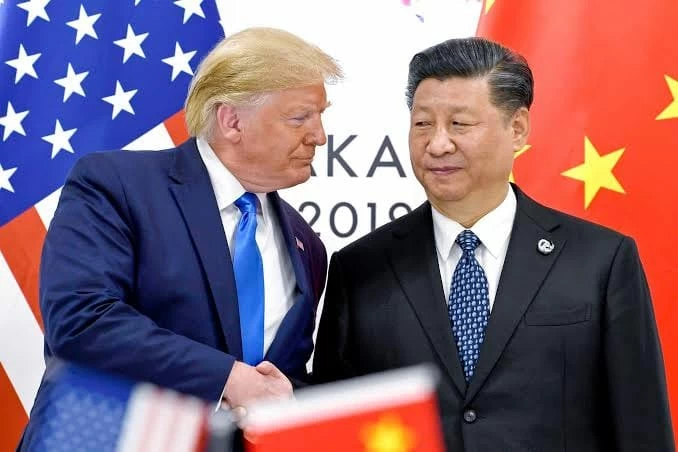
قبل أيام من القمة المرتقبة بين الرئيس الأمريكي دونالد ترمب ونظيره الصيني شي جين بينغ، تحركت واشنطن لطمأنة حليفتيها الرئيسيتين في آسيا، اليابان وكوريا الجنوبية، مؤكدة التزامها بالدفاع عنهما، في وقت تترقب طوكيو وسول ما قد تسفر عنه المحادثات الأمريكية الصينية من تفاهمات بشأن تايوان والتجارة.
وجددت الولايات المتحدة، اليوم (الإثنين)، التزامها بالدفاع عن اليابان وكوريا الجنوبية، فيما أعربت الدول الثلاث عن دعمها لمشاركة تايوان في المنظمات الدولية المناسبة، قبيل لقاء ترمب وشي المقرر في البيت الأبيض بالعاصمة واشنطن، الخميس.
وبحسب وكالة «رويترز»، يرى محللون أن حلفاء واشنطن في آسيا يشعرون بالقلق من احتمال تقديم ترمب تنازلات للرئيس الصيني، خصوصاً بشأن تايوان والتجارة، مقابل تحقيق مكاسب اقتصادية في العلاقة مع بكين.
تحرك أمريكي لطمأنة طوكيو وسول
واجتمع وزير الخارجية الأمريكي ماركو روبيو، اليوم، في نيويورك مع نظيره الكوري الجنوبي تشو هيون ووزير الخارجية الياباني توشيميتسو موتيغي، في إطار مشاورات ثلاثية على هامش اجتماعات الجمعية العامة للأمم المتحدة.
وأصدر الوزراء الثلاثة بياناً مشتركاً تعهدوا فيه بمواجهة ما وصفوه بـ«الإكراه الاقتصادي والسياسات والممارسات غير القائمة على آليات السوق»، إضافة إلى «قيود التصدير التعسفية التي تعطل سلاسل الإمداد»، في إشارة واضحة إلى المخاوف المرتبطة بالصين.
كما رحب الوزراء بإطلاق آلية جديدة للمشاورات الثلاثية بشأن الأمن الاقتصادي، ضمن جهود أوسع لتعزيز سلاسل الإمداد والتعاون في التقنيات الحيوية والإستراتيجية.
وأكد البيان أن الولايات المتحدة «جددت التزاماتها الراسخة بالدفاع عن اليابان وجمهورية كوريا»، مستندة إلى ما وصفها بـ«القوة العسكرية الأمريكية التي لا مثيل لها»، بما في ذلك القدرات النووية، كما أكدت مجدداً التزاماتها بالردع الموسع تجاه البلدين.
تايوان في قلب التحركات
وشدد الوزراء على أهمية التعاون الأمني القوي بين الدول الثلاث، وضرورة الحفاظ على السلام والاستقرار في منطقة مضيق تايوان.
كما أعربوا عن دعمهم لـ«المشاركة الهادفة لتايوان في المنظمات الدولية المناسبة»، في موقف قد يزيد حساسية العلاقات مع بكين، التي تعتبر تايوان جزءاً من أراضيها.
وبشأن كوريا الشمالية، جدد الوزراء التزامهم بـ«نزع السلاح النووي الكامل» من شبه الجزيرة الكورية، ودعوا بيونغ يانغ إلى استئناف الحوار.
وتخشى اليابان وكوريا الجنوبية، بحسب محللين، من أن تؤثر أي تفاهمات بين ترمب وشي بشأن تايوان على حساباتهما الأمنية، خصوصاً في ظل تصاعد التوترات في منطقة المحيطين الهندي والهادئ.
مخاوف من صفقة تجارية على حساب الحلفاء
ولا تقتصر مخاوف حلفاء واشنطن على ملف تايوان، إذ تترقب طوكيو وسول أيضاً أي إعلانات تجارية قد تصدر عن قمة ترمب وشي، وما إذا كانت ستؤثر في قدرتهما التنافسية أمام الصين.
ويرى محللون أن حتى خفض محدود للحواجز التجارية أمام بكين يمكن أن ينعكس على القدرة التنافسية لليابان وكوريا الجنوبية مقارنة بالاقتصاد الصيني.
وكانت رئيسة الوزراء اليابانية ساناي تاكايتشي قد أثارت غضب بكين العام الماضي، بعدما قالت إن اليابان قد تنجرف إلى صراع يتعلق بتايوان.
وفي المقابل، تجري سول وواشنطن مفاوضات بشأن تفاصيل حزمة استثمارات كورية جنوبية بقيمة 350 مليار دولار في الولايات المتحدة، ضمن اتفاق تجاري أبرمه البلدان العام الماضي.
اعتراض داخل كوريا الجنوبية
وفي تطور مرتبط بالاتفاق، دعا نائب معارض في البرلمان الكوري الجنوبي، اليوم، إلى إخضاع حزمة الاستثمارات للمراجعة البرلمانية، محذراً من أن المفاوضات المتعلقة بمشاريع الطاقة قد تحمل كوريا الجنوبية مخاطر مالية غير متناسبة.
ومن المقرر أن يلتقي ترمب وشي في البيت الأبيض الخميس، بينما من المنتظر أن تتابع اليابان وكوريا الجنوبية نتائج القمة عن كثب، خصوصاً ما يتعلق بتايوان والتجارة وسلاسل الإمداد، وهي ملفات قد يكون لها تأثير مباشر على المصالح الأمنية والاقتصادية لحليفي واشنطن في شرق آسيا.
Days before the anticipated summit between U.S. President Donald Trump and his Chinese counterpart Xi Jinping, Washington moved to reassure its two main allies in Asia, Japan and South Korea, reaffirming its commitment to defend them, as Tokyo and Seoul await the outcomes of the U.S.-China talks regarding Taiwan and trade.
The United States reiterated today (Monday) its commitment to defend Japan and South Korea, while the three countries expressed their support for Taiwan's participation in appropriate international organizations, ahead of the scheduled meeting between Trump and Xi at the White House in Washington, D.C., on Thursday.
According to Reuters, analysts believe that Washington's allies in Asia are concerned about the possibility of Trump making concessions to the Chinese president, especially regarding Taiwan and trade, in exchange for economic gains in the relationship with Beijing.
U.S. Move to Reassure Tokyo and Seoul
U.S. Secretary of State Marco Rubio met today in New York with South Korean Foreign Minister Cho Hyun and Japanese Foreign Minister Toshimitsu Motegi, as part of a trilateral consultation on the sidelines of the United Nations General Assembly meetings.
The three ministers issued a joint statement pledging to confront what they described as "economic coercion and market-distorting policies and practices," in addition to "arbitrary export restrictions that disrupt supply chains," in a clear reference to concerns related to China.
The ministers also welcomed the launch of a new trilateral consultation mechanism on economic security, as part of broader efforts to enhance supply chains and cooperation in critical and strategic technologies.
The statement confirmed that the United States "renewed its steadfast commitments to defend Japan and the Republic of Korea," relying on what it described as "unmatched U.S. military strength," including nuclear capabilities, and reaffirmed its commitments to extended deterrence toward both countries.
Taiwan at the Heart of the Moves
The ministers emphasized the importance of strong security cooperation among the three countries and the necessity of maintaining peace and stability in the Taiwan Strait.
They also expressed their support for "meaningful participation of Taiwan in appropriate international organizations," a stance that may heighten sensitivities in relations with Beijing, which considers Taiwan part of its territory.
Regarding North Korea, the ministers reiterated their commitment to "complete denuclearization" of the Korean Peninsula and urged Pyongyang to resume dialogue.
Japan and South Korea, according to analysts, fear that any agreements between Trump and Xi regarding Taiwan could impact their security calculations, especially amid rising tensions in the Indo-Pacific region.
Concerns Over a Trade Deal at Allies' Expense
The concerns of Washington's allies are not limited to the Taiwan issue, as Tokyo and Seoul are also watching for any trade announcements that may come from the Trump-Xi summit, and whether these will affect their competitiveness against China.
Analysts believe that even a limited reduction of trade barriers against Beijing could reflect on the competitiveness of Japan and South Korea compared to the Chinese economy.
Japanese Prime Minister Sanae Takachi had angered Beijing last year when she stated that Japan could be drawn into a conflict related to Taiwan.
In contrast, Seoul and Washington are negotiating the details of a $350 billion South Korean investment package in the United States, as part of a trade agreement the two countries signed last year.
Opposition Within South Korea
In a related development regarding the agreement, an opposition lawmaker in the South Korean parliament called today for the investment package to be subjected to parliamentary review, warning that negotiations related to energy projects could pose disproportionate financial risks to South Korea.
Trump and Xi are scheduled to meet at the White House on Thursday, while Japan and South Korea are expected to closely monitor the summit's outcomes, particularly concerning Taiwan, trade, and supply chains, issues that could have a direct impact on the security and economic interests of Washington's allies in East Asia.