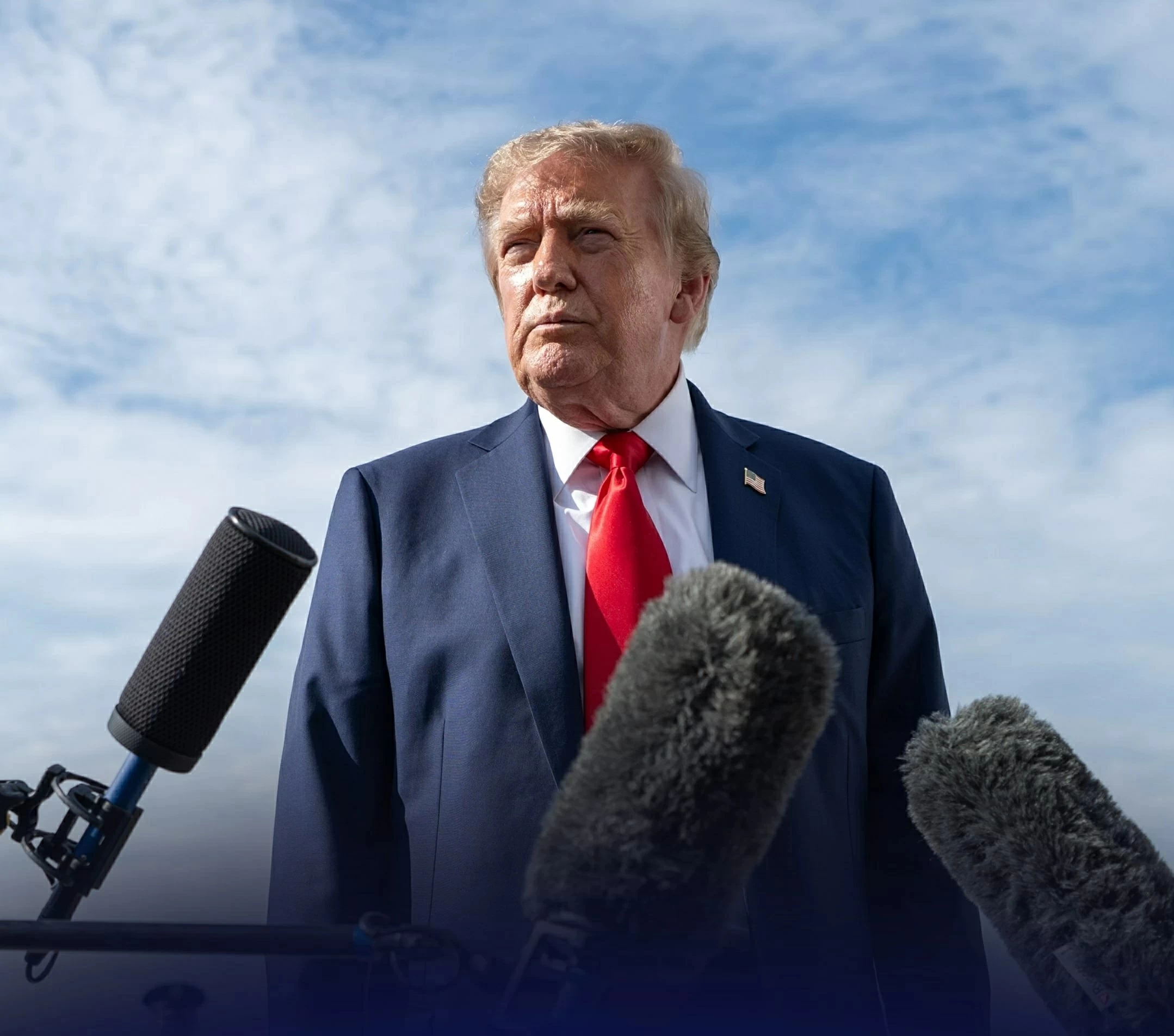
في تطور لافت في المواجهة بين إدارة الرئيس الأمريكي دونالد ترمب ووسائل الإعلام، رفضت شبكات ABC وCBS وNBC وFox News إرسال طاقم بديل عن شبكة CNN لتغطية فعاليات الرئيس، بعد منع الشبكة من تنفيذ دورها المقرر ضمن نظام التغطية التلفزيونية المشتركة في البيت الأبيض.
وأعلنت الشبكات الخمس، في بيان مشترك، أن «للجمهور مصلحة حيوية في الحصول على معلومات دقيقة ومستقلة بشأن حكومته»، مؤكدة أنه «لا ينبغي لأي إدارة أن تفرض قيوداً على مؤسسة إخبارية لمجرد اعتراضها على تغطيتها الصحفية».
وجاء القرار بعدما كان مقرراً أن تتولى CNN، أمس (الإثنين)، دورها في التناوب على توفير التغطية التلفزيونية المشتركة لفعاليات الرئيس.
لا طاقم بديلاً لتغطية ترمب
وقال برايان بوتون، مدير مكتب Fox News في واشنطن والرئيس الحالي لمجموعة التغطية التلفزيونية المشتركة، في رسالة إلى المؤسسات المشاركة، إن المجموعة لن تغطي الفعاليات الرئاسية المخصصة لهذا النوع من التغطية، مضيفاً أنه «لن يكون هناك مجموعة بديلة» لتحل محل CNN.
وبموجب النظام المعمول به منذ سنوات، تتناوب ABC وCBS وCNN وNBC وFox News على توفير طاقم تلفزيوني يتولى تصوير الرئيس وتوفير اللقطات الحية لبقية الشبكات والمؤسسات الإعلامية.
ويستخدم هذا النظام عدد كبير من المحطات المحلية والصحف والمواقع الإخبارية ووسائل الإعلام حول العالم، باعتباره أحد المصادر الأساسية للحصول على الصور التلفزيونية الخاصة بتحركات الرئيس.
ماذا يعني القرار؟
يعني تعليق التغطية المشتركة أن الفعاليات الرئاسية التي كانت تعتمد على هذا النظام لن تحصل على الطاقم التلفزيوني المعتاد الذي يصور الرئيس ويوفر اللقطات لبقية وسائل الإعلام.
وقالت مراسلة CNN كيتلان كولينز إن القرار يعني -عملياً- أنه عندما يقوم الرئيس بنشاط ضمن الفعاليات المخصصة للتغطية المشتركة، لن تكون هناك كاميرا تلفزيونية تابعة للمجموعة ترافقه لبث الصور وتوزيعها على المؤسسات الإعلامية الأخرى.
وفي المقابل، أوضحت المجموعة أن أشكال التغطية الأخرى ستستمر كالمعتاد، بما في ذلك تغطية أنشطة الكونغرس وكبار الشخصيات وفعاليات مختارة في واشنطن ومناطق أخرى.
الخلاف بدأ بمنع 3 مؤسسات
وتصاعدت الأزمة الجمعة، بعدما أعلن ترمب منع CNN وMS NOW وموقع Politico من دخول البيت الأبيض، قبل أن يُمنع صحفيو المؤسسات الثلاث من دخول مجمع البيت الأبيض في اليوم التالي.
وردت المؤسسات الثلاث بإعلان رفع دعوى قضائية اتحادية ضد إدارة ترمب، معتبرة أن قرار منعها ينتهك حقوقها في حرية الصحافة التي يكفلها التعديل الأول للدستور الأمريكي، وطالبت بإعادة اعتماد صحفييها.
ودافعت الإدارة الأمريكية عن قرارها، فيما قال ترمب إنه يستهدف ما وصفه بالتغطية الإعلامية الكاذبة، بينما اعتبرت المؤسسات المدعية أن القرار جاء رداً على تغطيتها الصحفية.
أزمة تطال رحلة الأمم المتحدة
وتزامنت الأزمة مع رحلة ترمب إلى نيويورك للمشاركة في اجتماعات الجمعية العامة للأمم المتحدة، وهي الرحلة التي كان مقرراً أن تتولى CNN خلالها دورها ضمن التغطية التلفزيونية المشتركة.
وبعد استبعاد CNN من جدول التغطية، لم يتم تعيين شبكة أخرى لتحل محلها، ما يعني غياب البث التلفزيوني المشترك المعتاد للفعاليات الرئاسية التي يشملها النظام.
وأدرج البيت الأبيض طواقم إعلامية أخرى ضمن فئات التغطية الثانوية، لكنها لا تتولى المهام نفسها التي يقوم بها الطاقم الأساسي في نظام التغطية المشتركة.
نظام عمره عقود
يقوم نظام التغطية المشتركة على تناوب الشبكات الكبرى في إرسال مصور وفني صوت ومنتج أو مراسل لمرافقة الرئيس في الفعاليات التي تكون فيها المساحة أو فرص الوصول محدودة.
ويقوم الطاقم بتصوير الحدث وتوفير البث المباشر، بينما يتولى المنتج أو المراسل تنسيق عملية التوزيع وتدوين الملاحظات وطرح الأسئلة على الرئيس.
كما يخفف النظام من التكلفة المرتفعة لمتابعة تحركات الرئيس، خصوصاً الرحلات الخارجية التي قد تكلف وسائل الإعلام عشرات الآلاف من الدولارات.
وكانت CNN قد انضمت إلى المجموعة بعد دعوى قضائية رفعتها ضد إدارة الرئيس رونالد ريغان وشبكات ABC وCBS وNBC عام 1981، قبل أن تتوسع المجموعة لاحقاً بانضمام Fox News.
وتقول CNN إنها ستواصل تغطية الحكومة الأمريكية رغم القيود المفروضة على وصول صحفييها، مؤكدة أن الدستور الأمريكي يكفل لها ممارسة عملها الصحفي دون تدخل حكومي.
In a notable development in the confrontation between U.S. President Donald Trump's administration and the media, ABC, CBS, NBC, and Fox News networks refused to send a crew to cover presidential events as a substitute for CNN, after the network was barred from fulfilling its scheduled role within the joint television coverage system at the White House.
The five networks announced in a joint statement that "the public has a vital interest in obtaining accurate and independent information about its government," emphasizing that "no administration should impose restrictions on a news organization simply because it disagrees with its coverage."
The decision came after CNN was scheduled to take its turn yesterday (Monday) in providing joint television coverage of presidential events.
No Substitute Crew for Covering Trump
Brian Button, the Washington bureau chief for Fox News and the current head of the joint television coverage group, stated in a message to the participating organizations that the group would not cover the presidential events designated for this type of coverage, adding that "there will be no substitute group" to replace CNN.
Under the system in place for years, ABC, CBS, CNN, NBC, and Fox News take turns providing a television crew to film the president and supply live footage to the other networks and media organizations.
This system is utilized by a large number of local stations, newspapers, news websites, and media outlets around the world, as it is one of the primary sources for obtaining television images of the president's movements.
What Does the Decision Mean?
The suspension of joint coverage means that presidential events that relied on this system will not receive the usual television crew that films the president and provides footage to the other media outlets.
CNN correspondent Kaitlan Collins stated that the decision effectively means that when the president engages in activities designated for joint coverage, there will be no television camera from the group accompanying him to broadcast and distribute images to other media organizations.
In contrast, the group clarified that other forms of coverage will continue as usual, including coverage of congressional activities, high-profile figures, and selected events in Washington and other areas.
The Dispute Started with the Ban on 3 Organizations
The crisis escalated on Friday after Trump announced a ban on CNN, MS NOW, and Politico from entering the White House, before journalists from the three organizations were barred from entering the White House complex the following day.
The three organizations responded by announcing a federal lawsuit against the Trump administration, arguing that the ban violates their rights to press freedom guaranteed by the First Amendment of the U.S. Constitution, and demanded the reinstatement of their journalists.
The U.S. administration defended its decision, with Trump stating that it targets what he described as fake news coverage, while the suing organizations contended that the decision was a response to their journalistic coverage.
A Crisis Affecting the United Nations Trip
The crisis coincided with Trump's trip to New York to participate in United Nations General Assembly meetings, during which CNN was supposed to fulfill its role in the joint television coverage.
After CNN was excluded from the coverage schedule, no other network was appointed to replace it, meaning the usual joint television broadcast of presidential events covered by the system would be absent.
The White House included other media crews under secondary coverage categories, but they do not perform the same tasks as the primary crew in the joint coverage system.
A System Decades Old
The joint coverage system is based on the rotation of major networks sending a cameraman, sound technician, producer, or reporter to accompany the president at events where space or access opportunities are limited.
The crew films the event and provides live broadcasting, while the producer or reporter coordinates the distribution process, takes notes, and asks questions of the president.
This system also alleviates the high costs of following the president's movements, especially on foreign trips that could cost media outlets tens of thousands of dollars.
CNN joined the group after a lawsuit it filed against the administration of President Ronald Reagan and the ABC, CBS, and NBC networks in 1981, before the group later expanded with the addition of Fox News.
CNN states that it will continue to cover the U.S. government despite the restrictions imposed on its journalists' access, affirming that the U.S. Constitution guarantees it the right to conduct its journalistic work without government interference.