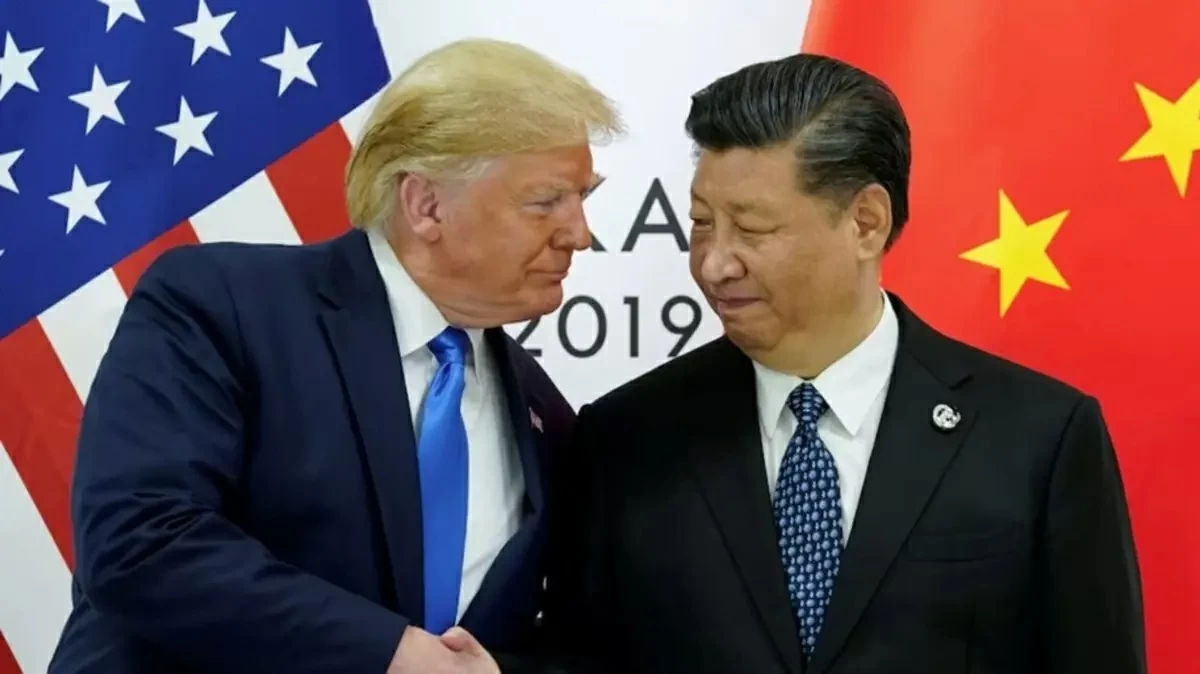
يتوجه الرئيس الصيني شي جين بينغ إلى الولايات المتحدة في زيارة دولة تستمر من 23 إلى 25 سبتمبر، تلبية لدعوة من الرئيس الأمريكي دونالد ترمب، في لقاء مرتقب يبحث مستقبل العلاقات بين أكبر اقتصادين في العالم، وسط ملفات خلافية تمتد من التجارة والتكنولوجيا إلى تايوان وسلاسل الإمداد العالمية.
وأكدت وزارة الخارجية الصينية اليوم (الإثنين) أن شي سيجري خلال الزيارة «تبادلاً معمقاً لوجهات النظر» مع ترمب بشأن القضايا الرئيسية للعلاقات الصينية-الأمريكية، إلى جانب قضايا السلام والتنمية العالميين.
وقال المتحدث باسم الخارجية الصينية قوه جيا كون، إن الزيارتين المتبادلتين لرئيسي البلدين خلال ستة أشهر تحملان «أهمية تاريخية وفارقة»، مؤكداً استعداد بكين لتعزيز الحوار والتعاون وإدارة الخلافات بصورة مناسبة، بما يخدم شعبي البلدين ويدعم السلام والاستقرار والازدهار العالمي.
وتأتي القمة في ظل توترات تجارية مستمرة بين واشنطن وبكين، على خلفية العجز التجاري الأمريكي وفرض الولايات المتحدة رسوماً جمركية مشددة على واردات صينية، في وقت تتهم فيه واشنطن بكين بممارسات تجارية غير عادلة، من بينها سرقة الملكية الفكرية والدعم الحكومي الواسع للشركات الصينية.
ويمتد التنافس إلى قطاع التكنولوجيا والأمن القومي، حيث تسعى القوتان إلى تعزيز نفوذهما في الصناعات المتقدمة والتحكم في سلاسل الإمداد العالمية، خصوصاً المواد الحيوية والمعادن النادرة المستخدمة في التقنيات الحديثة والمركبات الكهربائية.
وتبقى تايوان أحد أكثر الملفات حساسية في العلاقة بين البلدين؛ إذ تعتبرها بكين جزءاً من أراضيها وتتمسك بإمكانية استخدام القوة لتحقيق إعادة التوحيد، بينما تواصل واشنطن دعم الجزيرة سياسياً وعسكرياً وتزويدها بالأسلحة، ما تعتبره الصين تدخلاً في شؤونها الداخلية وتهديداً لسيادتها.
ولا تقتصر الخلافات على الملفات الثنائية، إذ تتباين مواقف بكين وواشنطن تجاه عدد من القضايا الدولية، بينها إيران وروسيا، بالتزامن مع تنافس أوسع حول شكل النظام الدولي والتحالفات وسلاسل النفوذ العالمية.
وفي المقابل، تقول بكين إنها تسعى إلى تعزيز التعددية الدولية وتوسيع أطر التعاون عبر تكتلات ومبادرات تقودها، فيما تتمسك واشنطن بدورها القيادي في النظام الدولي.
وتضع زيارة شي وترمب الطرفين أمام مجموعة واسعة من الملفات المتشابكة، فيما تؤكد بكين أن تعزيز الحوار وإدارة الخلافات يمثلان المسار المطلوب للحفاظ على «الاستقرار الاستراتيجي البنّاء» بين البلدين.
Chinese President Xi Jinping is heading to the United States for a state visit from September 23 to 25, in response to an invitation from U.S. President Donald Trump, in a much-anticipated meeting that will discuss the future of relations between the world's two largest economies, amid contentious issues ranging from trade and technology to Taiwan and global supply chains.
The Chinese Foreign Ministry confirmed today (Monday) that Xi will engage in a "profound exchange of views" with Trump during the visit regarding the key issues in Chinese-American relations, as well as global peace and development issues.
Chinese Foreign Ministry spokesperson Geng Shuang stated that the reciprocal visits of the two countries' leaders within six months carry "historical and significant importance," emphasizing Beijing's readiness to enhance dialogue and cooperation and to manage disputes appropriately, serving the peoples of both countries and supporting global peace, stability, and prosperity.
The summit comes amid ongoing trade tensions between Washington and Beijing, against the backdrop of the U.S. trade deficit and the imposition of stringent tariffs on Chinese imports, at a time when Washington accuses Beijing of unfair trade practices, including intellectual property theft and extensive government support for Chinese companies.
The competition extends to the technology and national security sectors, as both powers seek to enhance their influence in advanced industries and control global supply chains, particularly for critical materials and rare minerals used in modern technologies and electric vehicles.
Taiwan remains one of the most sensitive issues in the relationship between the two countries; Beijing considers it part of its territory and insists on the possibility of using force to achieve reunification, while Washington continues to support the island politically and militarily and supplies it with weapons, which China views as interference in its internal affairs and a threat to its sovereignty.
The disagreements are not limited to bilateral issues, as Beijing and Washington have differing positions on a number of international issues, including Iran and Russia, alongside a broader competition over the shape of the international system, alliances, and global spheres of influence.
In contrast, Beijing claims it seeks to promote international multipolarity and expand cooperation frameworks through coalitions and initiatives it leads, while Washington maintains its leadership role in the international system.
Xi and Trump's visit places both parties before a wide array of intertwined issues, while Beijing asserts that enhancing dialogue and managing disputes represent the necessary path to maintain "constructive strategic stability" between the two countries.