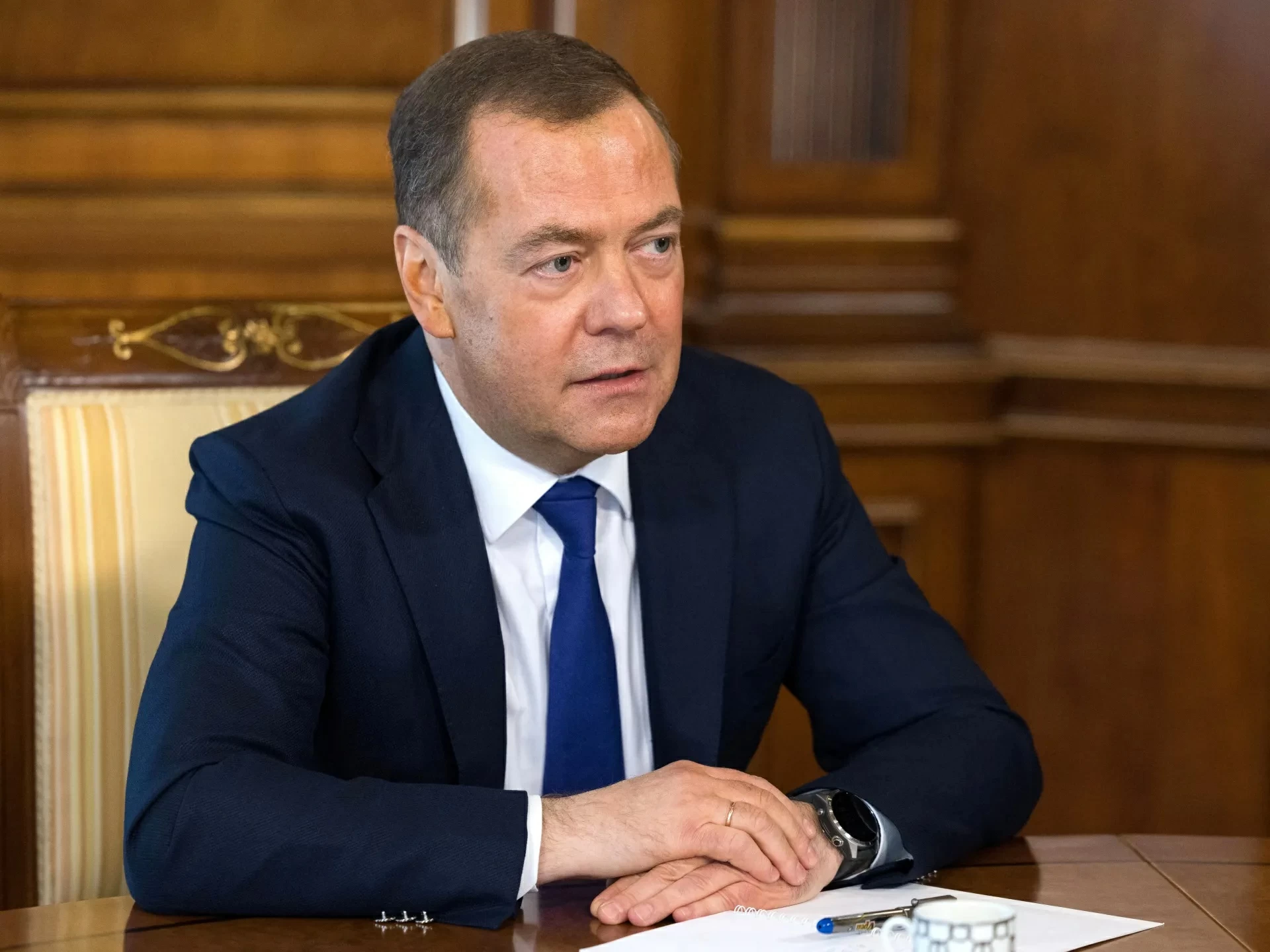
لوّح الرئيس الروسي السابق ونائب رئيس مجلس الأمن الروسي دميتري مدفيديف، اليوم (السبت)، برد روسي يتضمن «الردع العسكري» على العقوبات الأمريكية الجديدة التي تستهدف موسكو على خلفية الحرب في أوكرانيا، في تصعيد جديد للهجة الروسية تجاه واشنطن.
وقال مدفيديف، في منشور عبر «تلغرام»، إن العقوبات الجديدة تستدعي رداً يتجاوز الإجراءات الاقتصادية، معتبراً أن الجانب الأمريكي «لا يفهم سوى لغة الردع العسكري المباشر»، دون أن يحدد طبيعة الإجراءات التي قد تتخذها موسكو أو توقيتها.
وجاءت تصريحات مدفيديف بعد توقيع الرئيس الأمريكي دونالد ترمب، أمس (الجمعة)، قانوناً يفرض حزمة جديدة من العقوبات على روسيا، بهدف زيادة الضغط عليها بسبب الحرب في أوكرانيا، وذلك بعد أشهر من التأخير في إقرار التشريع داخل الكونغرس.
ويستهدف القانون قطاعات الطاقة والدفاع الروسية، إلى جانب مسؤولين روس بارزين، بينهم الرئيس فلاديمير بوتين، في إطار مساعي واشنطن لتشديد الضغوط الاقتصادية والسياسية على موسكو.
ويُعد مدفيديف، الحليف المقرب من بوتين وأحد أبرز الأصوات المتشددة تجاه الغرب في موسكو، من أكثر المسؤولين الروس استخداماً للخطاب الحاد ضد أوكرانيا والدول الداعمة لها، وينشر بصورة متكررة مواقف وتصريحات تصعيدية عبر وسائل التواصل الاجتماعي.
وسبق أن أثارت تصريحات مدفيديف بشأن القدرات النووية الروسية توتراً مع واشنطن؛ ففي العام الماضي، أمر ترمب بنشر غواصتين نوويتين بعد منشور لمدفيديف أشار فيه إلى نظام التحكم شبه الآلي بالأسلحة النووية الروسية المعروف باسم «اليد الميتة»، وهو نظام يعود تطويره إلى الحقبة السوفياتية خلال الحرب الباردة.
وشغل مدفيديف منصب رئيس روسيا بين عامي 2008 و2012، قبل أن يتولى لاحقاً منصب نائب رئيس مجلس الأمن الروسي، فيما أصبح خلال السنوات الأخيرة من أبرز المسؤولين الروس الذين
Former Russian President and Deputy Chairman of the Russian Security Council Dmitry Medvedev warned today (Saturday) of a Russian response that includes "military deterrence" against the new U.S. sanctions targeting Moscow in light of the war in Ukraine, marking a new escalation in the Russian rhetoric towards Washington.
Medvedev stated in a post on "Telegram" that the new sanctions require a response that goes beyond economic measures, considering that the American side "only understands the language of direct military deterrence," without specifying the nature or timing of the actions that Moscow might take.
His remarks came after U.S. President Donald Trump signed a law yesterday (Friday) imposing a new package of sanctions on Russia, aimed at increasing pressure on it due to the war in Ukraine, following months of delays in passing the legislation in Congress.
The law targets the Russian energy and defense sectors, as well as prominent Russian officials, including President Vladimir Putin, as part of Washington's efforts to tighten economic and political pressure on Moscow.
Medvedev, a close ally of Putin and one of the most prominent hardline voices towards the West in Moscow, is among the Russian officials who frequently use sharp rhetoric against Ukraine and its supporting countries, regularly posting escalatory positions and statements on social media.
Medvedev's statements regarding Russian nuclear capabilities have previously raised tensions with Washington; last year, Trump ordered the deployment of two nuclear submarines following a post by Medvedev that referred to the semi-automatic control system of Russian nuclear weapons known as "Dead Hand," a system developed during the Soviet era in the Cold War.
Medvedev served as President of Russia from 2008 to 2012, before later taking on the role of Deputy Chairman of the Russian Security Council, and in recent years has become one of the most prominent Russian officials who