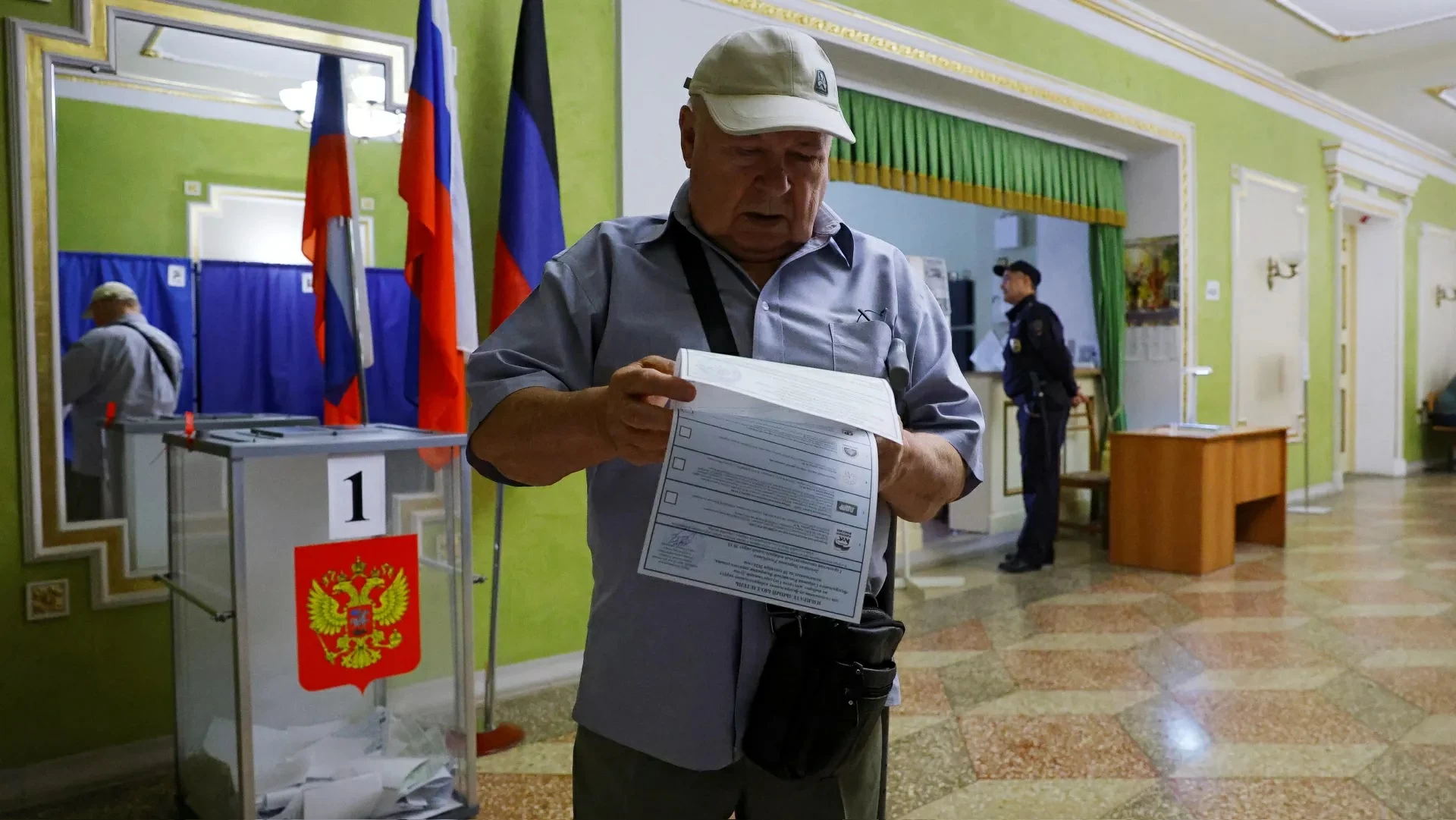
تزامناً مع الانتخابات البرلمانية الروسية، تعرض نظام التصويت الإلكتروني في العاصمة موسكو لهجوم إلكتروني واسع خلال الليل، فيما تتزايد المخاوف الغربية من استعداد موسكو لتصعيد حربها في أوكرانيا وتوسيع أنشطتها الهجينة ضد دول أوروبية، وسط تقارير استخباراتية تتحدث عن ترتيبات لما وصفته بـ«التعبئة الخفية» في القوات المسلحة الروسية.
وأعلنت رئيسة اللجنة الانتخابية المركزية الروسية إيلا بامفيلوفا، اليوم (السبت)، أن نظام التصويت الإلكتروني في موسكو تعرض لهجوم «قوي للغاية» ومتواصل، مؤكدة أن المختصين تمكنوا من صد الهجمات وأن عملية التصويت الإلكتروني عن بُعد مستمرة بصورة طبيعية.
وبدأ الروس، أمس (الجمعة)، التصويت في انتخابات مجلس الدوما في دورته التاسعة، التي تستمر حتى 20 سبتمبر، بمشاركة 10 أحزاب. وقالت بامفيلوفا إن الهجمات واسعة النطاق وشديدة، لكن أمن النظام يسمح باستمرار التصويت دون انقطاع.
وفي موازاة الانتخابات، نقلت صحيفة «تلغراف» عن مسؤولين في أجهزة استخبارات غربية أن القيادة الروسية تعمل على تهيئة الظروف الإدارية لما وصفوه بـ«التعبئة الخفية»، بما قد يسمح بتجنيد آلاف الروس الجدد في القوات المسلحة إذا اتُخذ القرار السياسي بذلك.
وقال مصدر استخباراتي للصحيفة إن ما ترصده أجهزة الاستخبارات يتمثل في استعدادات إدارية تجعل تنفيذ التعبئة ممكناً، فيما شكك مسؤولون غربيون في قدرة موسكو على تنفيذ تعبئة جماهيرية واسعة النطاق في الوقت الراهن.
وتأتي هذه التقديرات في وقت تتحدث فيه تقارير عن تكبد القوات الروسية خسائر بشرية كبيرة خلال الحرب في أوكرانيا، بينما لا تزال المعارك تشهد حالة من الجمود العسكري إلى حد كبير. كما تشير تقديرات غربية إلى أن الرئيس فلاديمير بوتين يميل إلى مواصلة التصعيد بدلاً من الدخول في مفاوضات سلام جادة.
وتزايدت المخاوف الأوروبية من انتقال التصعيد إلى خارج الأراضي الأوكرانية، خصوصاً مع تحذيرات من احتمال توسع الأنشطة الهجينة الروسية ضد دول حلف شمال الأطلسي «الناتو». وفي فرنسا، وجه الرئيس إيمانويل ماكرون المسؤولين بإعداد خطة لحماية البنية التحتية الحيوية والصناعات الدفاعية من عمليات تخريب محتملة.
وحذر رئيس الوزراء البولندي دونالد توسك من احتمال لجوء موسكو إلى ضربات صاروخية ضد دول داعمة لأوكرانيا، قائلاً إن روسيا قد تقدم مثل هذه الهجمات باعتبارها «حوادث عرضية» لاختبار تماسك الناتو.
وكان الرئيس الأوكراني فولوديمير زيلينسكي قد قال إن أجهزة الاستخبارات الأوكرانية تعتقد أن موسكو تستعد لاستدعاء 300 ألف جندي إضافي، غير أن مسؤولين استخباراتيين غربيين استبعدوا احتمال تنفيذ تعبئة بهذا الحجم، مشيرين إلى أن موسكو تركز بدلاً من ذلك على زيادة التجنيد بموجب العقود العسكرية.
وتشير تقارير روسية نقلتها «بلومبرغ» إلى نشاط متزايد في مراكز التجنيد، وسط مخاوف داخل الكرملين من تداعيات تعبئة واسعة، فيما أفادت مؤشرات بأن بعض الروس يحاولون نقل أموالهم وأصولهم إلى الخارج تحسباً للاستدعاء العسكري.
In conjunction with the Russian parliamentary elections, the electronic voting system in the capital Moscow was subjected to a wide-ranging cyberattack during the night, as Western fears grow regarding Moscow's readiness to escalate its war in Ukraine and expand its hybrid activities against European countries, amid intelligence reports discussing arrangements for what is described as "covert mobilization" in the Russian armed forces.
Russian Central Election Commission Chairwoman Ella Pamfilova announced today (Saturday) that the electronic voting system in Moscow faced a "very strong" and ongoing attack, confirming that specialists managed to repel the attacks and that the remote electronic voting process continues normally.
Russians began voting yesterday (Friday) in the ninth State Duma elections, which will last until September 20, with the participation of 10 parties. Pamfilova stated that the attacks were widespread and severe, but the security of the system allows voting to continue without interruption.
Alongside the elections, the "Telegraph" reported from Western intelligence officials that the Russian leadership is working to create administrative conditions for what they described as "covert mobilization," which could allow for the recruitment of thousands of new Russians into the armed forces if a political decision is made to do so.
An intelligence source told the newspaper that what intelligence agencies are observing consists of administrative preparations that make mobilization feasible, while Western officials expressed skepticism about Moscow's ability to carry out large-scale mobilization at this time.
These assessments come at a time when reports indicate that Russian forces have suffered significant human losses during the war in Ukraine, while the battles remain largely stagnant militarily. Western estimates also suggest that President Vladimir Putin is inclined to continue escalation rather than enter into serious peace negotiations.
European concerns have increased regarding the escalation spilling over beyond Ukrainian territory, especially with warnings about the potential expansion of Russian hybrid activities against NATO countries. In France, President Emmanuel Macron has instructed officials to prepare a plan to protect critical infrastructure and defense industries from potential sabotage operations.
Polish Prime Minister Donald Tusk warned of the possibility that Moscow might resort to missile strikes against countries supporting Ukraine, stating that Russia could present such attacks as "accidental incidents" to test NATO's cohesion.
Ukrainian President Volodymyr Zelensky stated that Ukrainian intelligence believes Moscow is preparing to call up an additional 300,000 soldiers, but Western intelligence officials have dismissed the likelihood of mobilization on such a scale, indicating that Moscow is instead focusing on increasing recruitment under military contracts.
Russian reports cited by "Bloomberg" indicate increased activity in recruitment centers, amid concerns within the Kremlin about the repercussions of large-scale mobilization, while indicators suggest that some Russians are attempting to transfer their money and assets abroad in anticipation of military conscription.