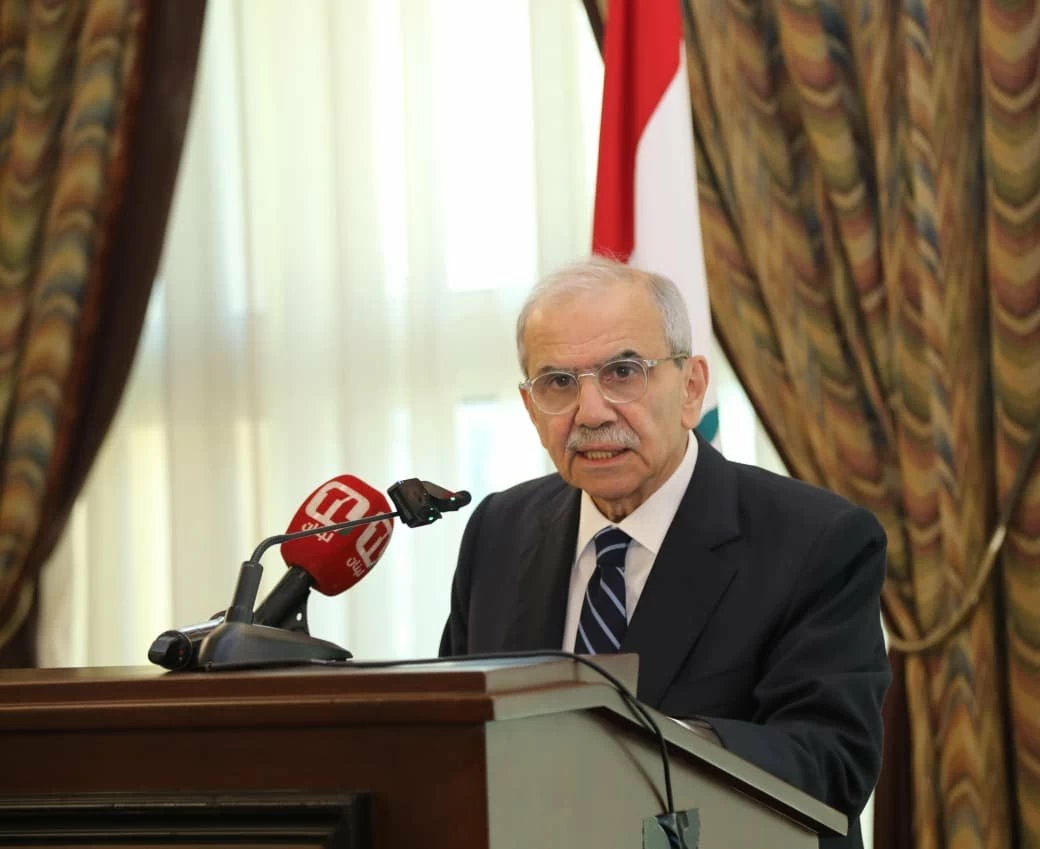
أكد رئيس الوزراء اللبناني نواف سلام أن استعادة الاستقرار في لبنان تبدأ من تثبيت سلطة الدولة وحصر قرار الحرب والسلم بها، بالتوازي مع استكمال الإصلاحات المالية والمصرفية التي تشكل المدخل إلى استعادة الثقة وإطلاق مسار التعافي الاقتصادي، مشدداً على أن الحكومة ماضية في تنفيذ ما التزمت به في بيانها الوزاري على المستويين السياسي والاقتصادي.
وفي جلسة المناقشة العامة للحكومة في مجلس النواب، التي انطلقت اليوم (الثلاثاء)، قال سلام إن «لا استقرار مستداماً دون بسط سلطة الدولة على كامل أراضيها بقواها الذاتية وحدها، وحصر قرار الحرب والسلم بالدولة دون سواها»، مؤكداً أن هذا الالتزام ليس جديداً، بل هو وارد في البيان الوزاري للحكومة، وفي اتفاق الطائف، وكذلك في اتفاق وقف الأعمال العدائية الذي تفاوضت عليه الحكومة السابقة عام 2024.
وفي أبرز مواقفه السياسية، شدد سلام على أن لبنان يريد إنهاء الحرب وانسحاب إسرائيل من كامل الأراضي اللبنانية والإفراج عن الأسرى، مؤكداً أن الدولة اللبنانية وحدها تتولى التفاوض باسم لبنان. وكشف سلام أن رئيس الجمهورية، وبالاتفاق معه كرئيس للحكومة، يتولى بموجب المادة 52 من الدستور المفاوضات مع إسرائيل برعاية الولايات المتحدة، «تأكيداً على أن الدولة اللبنانية، وحدها دون سواها، هي من يفاوض باسم لبنان».
وأكد أن لبنان «ليس ورقة تفاوض بيد الآخرين في مفاوضات يغيب عنها»، مشدداً في المقابل على تمسكه بسيادته على كامل أراضيه، وعلى أن السيادة تقتضي انسحاب إسرائيل من كل الأراضي اللبنانية، كما تقتضي بسط سيطرة الدولة بقواها الذاتية وحصر السلاح بيدها.
وفي ما يتعلق بالإطار الثلاثي الذي تم التوصل إليه في المفاوضات، أوضح سلام أنه يشكل «مرجعاً في المسار التفاوضي»، لكنه ليس اتفاقاً بالمعنى القانوني ولا اتفاقية منجزة تُعرض على مجلس الوزراء لإبرامها. وأشار إلى أن الإطار يتضمن تدابير تنفيذية تؤدي إلى انسحاب إسرائيلي تدريجي وانتشار الجيش اللبناني، وإن كانت دون روزنامة زمنية، معتبراً أن الحكم الجدي على المفاوضات «لا يتوقف عند مرحلة من مراحلها، بل يكون بنتائجها النهائية».
ورفض سلام اعتبار التفاوض تنازلاً، قائلاً: «التفاوض بحد ذاته ليس تنازلاً عن الحقوق، بل وسيلة لاستعادتها بالطرق الدبلوماسية»، مضيفاً أن مسؤولية الدولة هي اختيار «الطريق الأقل كلفة على اللبنانيين لتحقيق أهدافها». كما قال بوضوح: «أنا لست هاوياً للتفاوض لمجرّد التفاوض»، في إشارة إلى أن انخراط الدولة في المسار التفاوضي يأتي من موقع السعي إلى تحقيق أهداف لبنان بأقل كلفة ممكنة.
وأشار سلام إلى أن الحرب الأخيرة فاقمت الوضع الاقتصادي، بعدما كان لبنان قد سجل نمواً بنسبة 4.2% العام الماضي، قبل أن يعود إلى انكماش مقدر بنحو 6.4% هذا العام. كما أشار إلى أن أكثر من 250 ألف لبناني ما زالوا في عداد النازحين، وأن الحرب الأخيرة ألحقت أضراراً كلية أو جزئية بنحو 91 ألف وحدة سكنية، فيما تتطلب إعادة الإعمار والتعافي، وفق تقديره، دعماً عربياً ودولياً وتمويلاً خارجياً كبيراً.
وفي البعد الاقتصادي–الاستراتيجي، أكد سلام أن الحكومة تعمل على إعادة وصل لبنان بأسواقه الطبيعية في العمق العربي، وإزالة العوائق أمام صادراته، ولا سيما مع السعودية ودول الخليج، إلى جانب تعزيز التعاون مع سورية من خلال إنشاء لجنة عليا لبنانية–سورية مشتركة.
وختم سلام بتأكيد أن المرحلة القادمة لا يمكن أن تقوم على إدارة الأزمات، بل على الانتقال إلى «التعافي المستدام»، معتبراً أن المعادلة واضحة: لا إعادة إعمار مستدامة دون تمويل، ولا تمويل دون ثقة، ولا ثقة دون دولة قادرة، والوصول إلى الدولة القادرة يتطلب الإصلاح.
The Lebanese Prime Minister, Nawaf Salam, confirmed that restoring stability in Lebanon begins with establishing the authority of the state and confining the decision of war and peace to it, alongside completing the financial and banking reforms that constitute the gateway to restoring trust and launching the path to economic recovery. He emphasized that the government is committed to implementing what it pledged in its ministerial statement at both the political and economic levels.
During the general discussion session of the government in the House of Representatives, which began today (Tuesday), Salam stated, "There can be no sustainable stability without the state exercising its authority over all its territory with its own forces, and confining the decision of war and peace to the state alone." He affirmed that this commitment is not new; it is included in the government’s ministerial statement, in the Taif Agreement, and also in the ceasefire agreement negotiated by the previous government in 2024.
In his most prominent political positions, Salam stressed that Lebanon wants to end the war, the withdrawal of Israel from all Lebanese territories, and the release of prisoners, asserting that the Lebanese state alone is responsible for negotiating on behalf of Lebanon. Salam revealed that the President of the Republic, in agreement with him as Prime Minister, is responsible under Article 52 of the Constitution for negotiations with Israel under the auspices of the United States, "confirming that the Lebanese state, alone and without others, is the one negotiating on behalf of Lebanon."
He affirmed that Lebanon "is not a bargaining chip in the hands of others in negotiations from which it is absent," while emphasizing his commitment to sovereignty over all its territories, and that sovereignty requires the withdrawal of Israel from all Lebanese lands, as well as the establishment of state control with its own forces and the confinement of arms to it.
Regarding the trilateral framework reached in the negotiations, Salam clarified that it constitutes "a reference in the negotiation process," but it is not an agreement in the legal sense nor a finalized agreement presented to the Cabinet for ratification. He pointed out that the framework includes executive measures leading to a gradual Israeli withdrawal and the deployment of the Lebanese army, albeit without a specific timeline, considering that the serious judgment on the negotiations "does not stop at a certain stage, but rather is based on their final results."
Salam rejected the notion that negotiation is a concession, stating: "Negotiation itself is not a concession of rights, but a means to restore them through diplomatic channels," adding that the state's responsibility is to choose "the least costly path for the Lebanese to achieve its goals." He also clearly stated: "I am not a fan of negotiating just for the sake of negotiating," indicating that the state's engagement in the negotiation process comes from a position of seeking to achieve Lebanon's goals at the lowest possible cost.
Salam noted that the recent war exacerbated the economic situation, after Lebanon had recorded a growth rate of 4.2% last year, before returning to an estimated contraction of about 6.4% this year. He also pointed out that more than 250,000 Lebanese are still displaced, and that the recent war caused total or partial damage to about 91,000 housing units, while reconstruction and recovery, according to his estimation, require significant Arab and international support and external financing.
In the economic-strategic dimension, Salam confirmed that the government is working to reconnect Lebanon with its natural markets in the Arab depth, removing obstacles to its exports, particularly with Saudi Arabia and Gulf countries, in addition to enhancing cooperation with Syria by establishing a high-level joint Lebanese-Syrian committee.
Salam concluded by affirming that the upcoming phase cannot be based on crisis management, but rather on transitioning to "sustainable recovery," considering that the equation is clear: there can be no sustainable reconstruction without financing, no financing without trust, and no trust without a capable state, and reaching a capable state requires reform.